Flat Foot
Improve foot support, reduce discomfort, and move with greater confidence with personalised physiotherapy for Flat Foot.
Contents
Take the First Step Towards Better Movement
Our experienced physiotherapists are here to help you improve mobility, regain strength, and move with greater comfort and confidence.
What is Flat Foot?
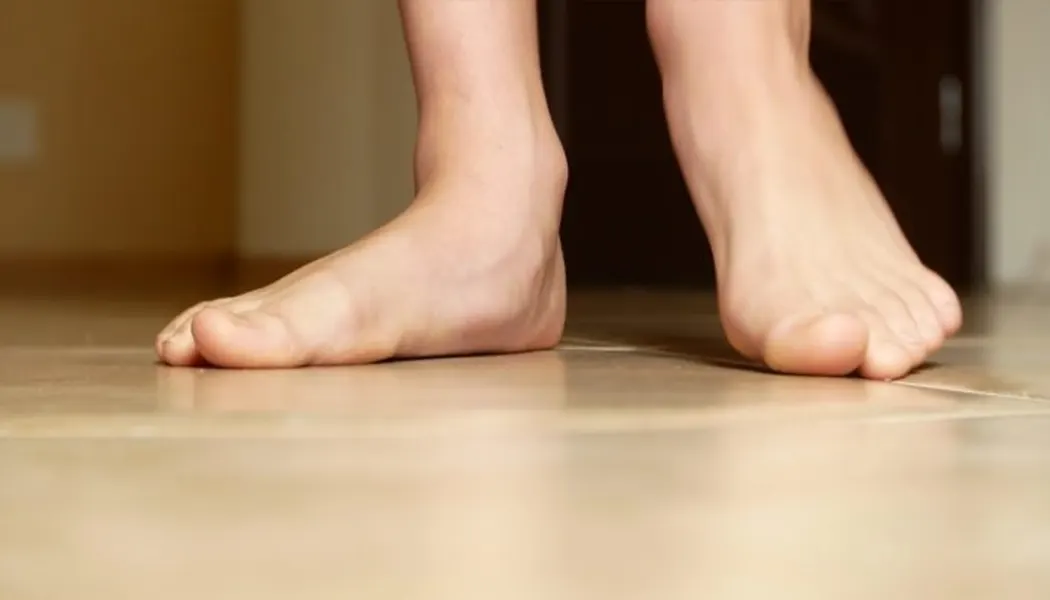
Flat Foot, medically known as Pes Planus, describes a foot posture in which the medial longitudinal arch—the arch along the inside of the foot—is lower than usual.
When standing, the foot may appear to roll inward and more of the sole may touch the ground.
Flat feet can be:
Flexible Flat Foot: The arch may be visible when sitting or standing on tiptoes but flatten when standing normally.
Rigid Flat Foot: The arch remains flattened even when the foot is not bearing weight. This may require further medical assessment, particularly if it develops with pain.
Present from Childhood: Some people naturally develop lower arches as their feet grow.
Acquired Flat Foot: The arch can flatten later in life due to changes affecting the muscles, tendons, ligaments, bones, or joints of the foot.
Not everyone with flat feet requires treatment. Many people have flat feet without pain or functional problems. Treatment is generally considered when symptoms, changes in function, or progressive deformity are present.
What Are The Symptoms Of Flat Foot?
Low or Absent Foot Arch: The inside arch appears lower than usual.
Foot Pain: Discomfort may occur in the arch, heel, or other areas of the foot.
Ankle Pain: Pain may develop around the inside of the ankle in some people.
Tired Feet: The feet may feel fatigued after prolonged standing or walking.
Difficulty Standing for Long Periods: Symptoms may increase during prolonged weight-bearing.
Pain During Walking or Running: Activity may aggravate symptoms.
Foot Rolling Inward: The foot may appear to roll excessively inward during standing or walking.
Heel Position Changes: The heel may tilt outward as the foot posture changes.
Shoe Wear Changes: Shoes may wear unevenly over time.
Calf Tightness: Reduced flexibility in the calf muscles may contribute to altered foot and ankle movement.
Knee Discomfort: Some people may experience knee symptoms associated with lower-limb movement patterns.
Hip or Lower-Back Discomfort: Changes in lower-limb mechanics may contribute to symptoms in other areas, although not all pain is directly caused by flat feet.
Reduced Balance: Some people may experience reduced foot and ankle control during movement.
Difficulty with High-Impact Activities: Running, jumping, and prolonged exercise may become uncomfortable.
What Are The Causes Of Flat Foot?
Flat feet can develop for several reasons, and in some people they are simply a natural variation in foot shape.
Genetics: Foot structure and arch height can run in families.
Normal Development: Some children naturally have flatter-looking feet during early development.
Ligament Laxity: More flexible ligaments may allow the arch to flatten more during weight-bearing.
Muscle Weakness: Reduced strength in the foot and ankle muscles may affect foot support and control.
Posterior Tibial Tendon Dysfunction: Problems affecting the posterior tibial tendon can contribute to progressive flattening of the arch.
Foot or Ankle Injury: Damage to tendons, ligaments, or bones may affect the shape and support of the foot.
Arthritis: Joint changes can alter foot structure and movement.
Increasing Age: Tendons and supporting structures can change over time.
Higher Body Weight: Increased load may contribute to symptoms in susceptible individuals.
Certain Neurological or Muscular Conditions: Some conditions affecting muscle strength or control can contribute to changes in foot posture.
Diagnosis Of Flat Foot
Medical History: A healthcare professional will ask about your symptoms, when you first noticed the flat foot, previous injuries, activity levels, and functional difficulties.
Foot and Ankle Examination: The foot is assessed for arch height, alignment, swelling, tenderness, and structural changes.
Standing Assessment: Your foot posture is examined while bearing weight.
Walking Assessment: Walking patterns and foot movement may be assessed.
Tiptoe Assessment: Rising onto the toes may help assess foot and ankle function in appropriate cases.
Range of Motion Assessment: Foot and ankle mobility is evaluated.
Strength Testing: The foot, ankle, calf, and other lower-limb muscles are assessed.
Balance Assessment: Single-leg balance and movement control may be evaluated.
Footwear Assessment: Shoe wear and the support provided by footwear may be considered.
X-Rays: X-rays may be used when bone alignment, arthritis, or structural changes need further assessment.
Ultrasound or MRI: Imaging may be used in selected cases to assess tendons, ligaments, or other soft tissues.
Treatment Of Flat Foot
Treatment depends on whether the flat foot is causing symptoms, the underlying cause, and the severity of functional problems.
No Treatment for Asymptomatic Flat Feet: Flat feet without pain or functional limitations often do not require treatment.
Activity Modification: Temporarily adjusting activities that significantly aggravate symptoms may help manage discomfort.
Supportive Footwear: Appropriate footwear may provide comfort and support during daily activities.
Foot Orthoses or Insoles: Orthotic devices may be recommended for selected individuals to improve comfort or support foot function.
Physiotherapy: A structured programme can help improve strength, mobility, balance, and lower-limb movement control.
Foot and Ankle Exercises: Targeted exercises may strengthen the muscles supporting the foot and ankle.
Calf Flexibility Exercises: Stretching or mobility work may help address calf tightness when present.
Weight Management: Maintaining a healthy body weight may help reduce load on the feet and lower limbs when appropriate.
Pain Management: A healthcare professional may recommend medication or other treatments when required.
Medical or Specialist Referral: Progressive deformity, significant pain, tendon problems, rigid flat feet, or sudden changes in foot shape may require further assessment.
Surgery: Surgery is considered only in selected cases where significant symptoms or structural problems persist despite appropriate conservative treatment.
What Is The Physiotherapy Treatment Of Flat Foot
Detailed Assessment: At Pure Physio, we assess foot posture, ankle movement, muscle strength, walking patterns, balance, footwear, activity demands, and functional limitations.
Individualised Rehabilitation Programme: Your treatment is tailored according to your symptoms, foot structure, movement patterns, physical activity, and personal goals.
Foot Strengthening Exercises: Targeted exercises help improve the strength and control of muscles that support the foot.
Intrinsic Foot Muscle Training: Specific exercises may strengthen the small muscles within the foot.
Arch Control Exercises: Carefully selected exercises can help improve active control and support of the foot during movement.
Ankle Strengthening: Progressive exercises strengthen muscles around the ankle to support stability and movement.
Posterior Tibial Muscle Strengthening: When appropriate, exercises may target the muscles that help support the inside of the foot and arch.
Calf Strengthening: Exercises improve the strength and endurance needed for walking and other weight-bearing activities.
Calf Mobility and Flexibility Exercises: Targeted exercises may help improve ankle movement and address tightness.
Balance and Proprioception Training: Exercises improve foot and ankle awareness, stability, and confidence.
Walking Retraining: We assess and guide movement patterns to support comfortable and efficient walking.
Movement Retraining: Therapy may address lower-limb control during standing, walking, squatting, running, and other activities.
Hip and Gluteal Strengthening: Targeted exercises can improve overall lower-limb control.
Activity and Load Management: We provide guidance on progressing standing, walking, running, or exercise according to your symptoms.
Footwear Guidance: We can provide practical advice about features to consider in footwear based on comfort, activity demands, and individual needs.
Orthotic Support Guidance: When orthoses are recommended, we can support their use as part of a broader rehabilitation plan.
Functional Strength Training: Exercises progress towards activities that reflect the demands of your work, lifestyle, or sport.
Home Exercise Programme: A personalised programme supports continued strengthening and mobility between appointments.
Progress Monitoring: Your rehabilitation is regularly reviewed and adjusted according to pain, movement, strength, balance, walking ability, and functional progress.
Why Choose Pure Physio?
Comprehensive Foot and Lower-Limb Assessment: We assess foot posture, ankle movement, muscle strength, walking patterns, balance, and functional limitations.
Personalised Rehabilitation Plans: Your programme is tailored according to your symptoms, foot structure, activity demands, lifestyle, and recovery goals.
Focus on Functional Movement: We focus on improving how your feet and lower limbs perform during everyday activities.
Improve Foot Strength and Control: Targeted exercises help strengthen the muscles that support the foot and improve active control.
Improve Ankle Mobility: Carefully selected exercises help support comfortable ankle movement.
Build Lower-Limb Strength: Rehabilitation targets the feet, ankles, calves, hips, and other muscles involved in movement.
Improve Balance and Stability: Targeted exercises help improve confidence and control during standing and walking.
Walking and Movement Retraining: We help improve movement patterns for more comfortable and efficient daily activity.
Footwear and Support Guidance: Practical advice can help you make informed decisions about comfort and support.
Activity Management Support: We provide guidance on progressing walking, standing, running, and exercise safely.
Functional Recovery Focus: Therapy targets meaningful activities such as standing, walking, climbing stairs, exercising, and participating in sport.
Safe Exercise Progression: Your programme is adjusted according to symptoms, strength, mobility, and functional progress.
Home Exercise Guidance: You receive a personalised programme to support consistent progress outside your appointments.
Regular Progress Monitoring: Your rehabilitation is reviewed and adapted according to changes in pain, movement, strength, balance, and function.
Integrated Care Approach: We work alongside doctors, podiatrists, orthopaedic specialists, and other healthcare professionals when required.
Focused on Long-Term Foot Health: Our goal is to improve strength, mobility, movement control, and comfort while helping you stay active and confident in your daily life.
Start Your Recovery Journey Today
Don’t let pain, stiffness, or reduced mobility affect your daily life. Get personalised physiotherapy care designed around your condition and recovery goals.