
Fibromyalgia Syndrome
Manage widespread pain, improve movement, and rebuild confidence with personalised physiotherapy support for fibromyalgia.
Contents
Take the First Step Towards Better Movement
Our experienced physiotherapists are here to help you improve mobility, regain strength, and move with greater comfort and confidence.
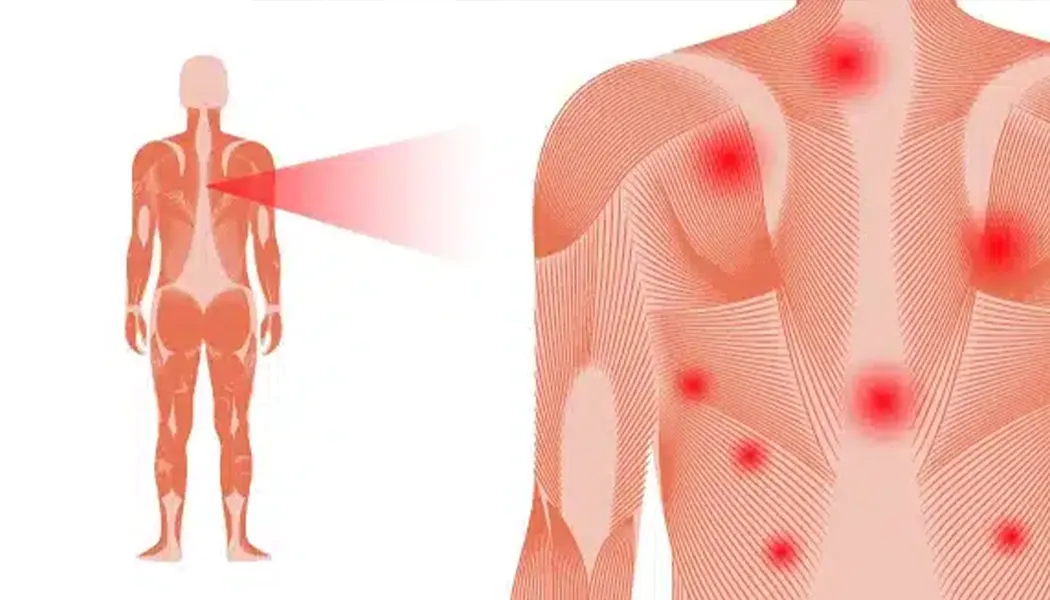
What is Fibromyalgia Syndrome?
Fibromyalgia Syndrome is a chronic condition characterised by widespread pain and increased sensitivity to pain, often accompanied by fatigue, poor sleep, and cognitive symptoms commonly described as “fibro fog.” It is thought to involve changes in the way the nervous system processes and responds to pain and other sensory signals. This means a person may experience significant pain and sensitivity even when there is no visible injury or tissue damage explaining the severity of their symptoms.
Fibromyalgia can affect people differently, with symptoms often changing in intensity over time. Some individuals experience periods when symptoms are relatively manageable and other periods known as flare-ups, when pain, fatigue, and other symptoms become more severe. Although there is currently no single cure, a combination of medical care, education, appropriate physical activity, sleep management, and other self-management strategies can help improve symptoms and quality of life.
What Are The Symptoms Of Fibromyalgia Syndrome?
Pain Symptoms
Widespread Pain: Pain may be felt in multiple areas of the body.
Muscle Aches: Muscles may feel sore, aching, or tender.
Burning Pain: Some people experience burning or uncomfortable sensations.
Stiffness: The body may feel stiff, particularly after rest or inactivity.
Increased Pain Sensitivity: Normal pressure, touch, or movement may feel more painful than expected.
Tender Areas: Certain parts of the body may be particularly sensitive to pressure.
Fatigue And Sleep Symptoms
Persistent Fatigue: Tiredness may continue even after resting or sleeping.
Reduced Energy: Everyday tasks may feel physically demanding.
Unrefreshing Sleep: A person may sleep for enough hours but still wake feeling tired.
Difficulty Falling Asleep: Pain or other symptoms may affect sleep.
Frequent Waking: Sleep may be interrupted during the night.
Cognitive Symptoms
Difficulty Concentrating: It may be harder to focus on tasks.
Memory Difficulties: Short-term memory problems may occur.
“Fibro Fog”: Thinking may feel slower or less clear during periods of fatigue or increased symptoms.
Other Symptoms
Headaches: Recurring headaches may occur.
Sensitivity to Temperature: Some people are particularly sensitive to heat or cold.
Sensitivity to Light or Noise: Sensory sensitivity may occur in some individuals.
Mood Changes: Living with chronic pain and fatigue can affect emotional wellbeing.
Reduced Exercise Tolerance: Physical activity may feel difficult, particularly when symptoms are poorly managed.
Irritable Bowel Symptoms: Some individuals experience digestive symptoms.
Numbness or Tingling: Altered sensations may occur in some people.
Not everyone experiences all symptoms, and symptom severity can fluctuate.
What Are The Causes Of Fibromyalgia Syndrome?
The exact cause of fibromyalgia is not fully understood. It is believed to involve several interacting factors.
Changes in Pain Processing: The nervous system may process pain and sensory signals differently, leading to increased sensitivity.
Central Sensitisation: The brain and spinal cord may become more responsive to pain signals.
Genetic Factors: Fibromyalgia can occur more commonly in some families, suggesting a genetic contribution.
Stress: Physical or emotional stress may contribute to the onset or worsening of symptoms in some individuals.
Trauma or Injury: Some people report symptoms beginning after a physical injury or traumatic event, although this does not occur in everyone.
Infections: Certain illnesses or infections may precede the development of symptoms in some individuals.
Sleep Disturbance: Poor sleep can increase pain sensitivity and fatigue.
Nervous System Changes: Changes involving the nervous system and certain brain chemicals may contribute to symptoms.
Other Chronic Conditions: Fibromyalgia can occur alongside other health conditions.
Fibromyalgia is a genuine medical condition and is not simply caused by muscle weakness, poor fitness, or “imagined” pain.
Diagnosis Of Fibromyalgia Syndrome
There is no single test that can independently confirm fibromyalgia.
Medical History: A healthcare professional will ask about widespread pain, fatigue, sleep, cognitive symptoms, and how long symptoms have been present.
Physical Examination: An examination may assess pain, movement, strength, and other physical findings.
Symptom Assessment: Healthcare professionals may use recognised criteria to assess the distribution and severity of symptoms.
Pain History: The pattern, duration, and location of pain are reviewed.
Sleep and Fatigue Assessment: Sleep quality and the effect of fatigue on daily life may be discussed.
Blood Tests: Blood tests may be used to exclude other conditions that can cause similar symptoms.
Additional Investigations: Other tests may be recommended if symptoms suggest another medical condition.
Diagnosis is generally based on the pattern of symptoms, their duration, and appropriate exclusion of other possible causes.
Treatment Of Fibromyalgia Syndrome
Fibromyalgia management is usually based on a combination of approaches tailored to the individual.
Education: Understanding the condition can help individuals manage symptoms and approach physical activity with greater confidence.
Regular Physical Activity: Appropriate and gradual exercise is commonly an important part of long-term management.
Physiotherapy: Physiotherapy can support movement, physical conditioning, strength, and activity progression.
Aerobic Exercise: Low-impact aerobic activity may help improve fitness and overall function when introduced gradually.
Strength Training: Carefully progressed strengthening exercises may help maintain physical capacity.
Sleep Management: Improving sleep habits and addressing sleep problems can support symptom management.
Stress Management: Relaxation and stress-management strategies may help some individuals.
Activity Pacing: Balancing activity and rest can help avoid repeated cycles of overactivity followed by increased symptoms.
Medical Management: A doctor may recommend medication or other treatment for pain, sleep, or associated symptoms.
Psychological Support: Appropriate psychological therapies may help individuals manage the impact of chronic pain.
Management of Associated Conditions: Other medical conditions should be assessed and treated appropriately.
Treatment often works best when it is consistent, gradual, and individualised, rather than relying on one single intervention.
What Is The Physiotherapy Treatment Of Fibromyalgia Syndrome
Detailed Assessment: At Pure Physio, we assess your pain, mobility, strength, fatigue, activity tolerance, sleep-related functional impact, and everyday limitations.
Individualised Rehabilitation Programme: Your treatment plan is designed around your current symptoms, physical ability, lifestyle, and personal goals.
Gentle Movement Exercises: Carefully selected exercises help maintain mobility and reduce the effects of prolonged inactivity.
Graded Activity: Physical activity is introduced gradually and progressed according to your tolerance and functional goals.
Low-Impact Aerobic Exercise: Activities such as walking, cycling, or other suitable exercise may help improve cardiovascular fitness when progressed appropriately.
Strengthening Exercises: Gentle resistance exercises help improve muscle strength and physical function.
Mobility and Flexibility Training: Exercises can help maintain comfortable joint movement and address stiffness.
Activity Pacing: We help you balance activity, exercise, and rest to reduce cycles of overexertion.
Movement Confidence: Rehabilitation supports a gradual return to activities that may have become difficult or feared because of pain.
Functional Training: Therapy focuses on practical activities such as walking, standing, climbing stairs, household tasks, and work-related movement.
Relaxation and Breathing Techniques: Appropriate techniques may help reduce unnecessary muscle tension and support relaxation.
Postural and Movement Guidance: We provide practical strategies for comfortable and efficient movement during daily activities.
Flare-Up Management: Your exercise and activity plan can be adjusted during periods of increased symptoms.
Home Exercise Programme: A manageable programme supports consistent activity between physiotherapy sessions.
Progress Monitoring: Your programme is reviewed and adapted according to changes in symptoms, activity tolerance, and functional ability.
Important: Exercise should be introduced gradually. Temporary mild discomfort can occur when beginning a new activity, but significant or prolonged worsening of symptoms may indicate that the programme needs to be adjusted.
Why Choose Pure Physio?
Detailed Functional Assessment: We assess your pain, fatigue, mobility, strength, activity tolerance, and the impact of symptoms on daily life.
Personalised Rehabilitation Plans: Your programme is adapted according to your current symptoms, physical ability, lifestyle, and goals.
Gentle and Gradual Approach: Exercise is progressed carefully to support physical improvement without unnecessary overexertion.
Focus on Activity Pacing: We help you develop practical strategies to balance activity and rest.
Movement and Mobility Support: Rehabilitation helps maintain comfortable movement and physical confidence.
Strength and Fitness Development: Your programme gradually supports improvements in physical capacity and everyday function.
Flare-Up Adaptation: Treatment can be modified when pain, fatigue, or other symptoms temporarily increase.
Focus on Functional Goals: Therapy supports the activities that matter to you, including work, exercise, household tasks, and social participation.
Education and Self-Management: We provide practical guidance to help you understand and manage your physical activity more effectively.
Home Exercise Guidance: You receive a realistic and manageable programme designed around your abilities.
Regular Progress Monitoring: Your rehabilitation plan is reviewed and adjusted as your needs and physical capacity change.
Integrated Care Approach: Physiotherapy can complement care from doctors, pain specialists, psychologists, sleep specialists, and other healthcare professionals when required.
Focused on Quality of Life: Our goal is to help improve movement, physical confidence, activity tolerance, and independence while supporting you in managing the long-term impact of fibromyalgia.
Start Your Recovery Journey Today
Don’t let pain, stiffness, or reduced mobility affect your daily life. Get personalised physiotherapy care designed around your condition and recovery goals.