Fecal Incontinence
Take control of bowel health with personalised pelvic floor physiotherapy designed to support better muscle control, confidence, and everyday comfort.
Contents
Take the First Step Towards Better Movement
Our experienced physiotherapists are here to help you improve mobility, regain strength, and move with greater comfort and confidence.
What is Fecal Incontinence?
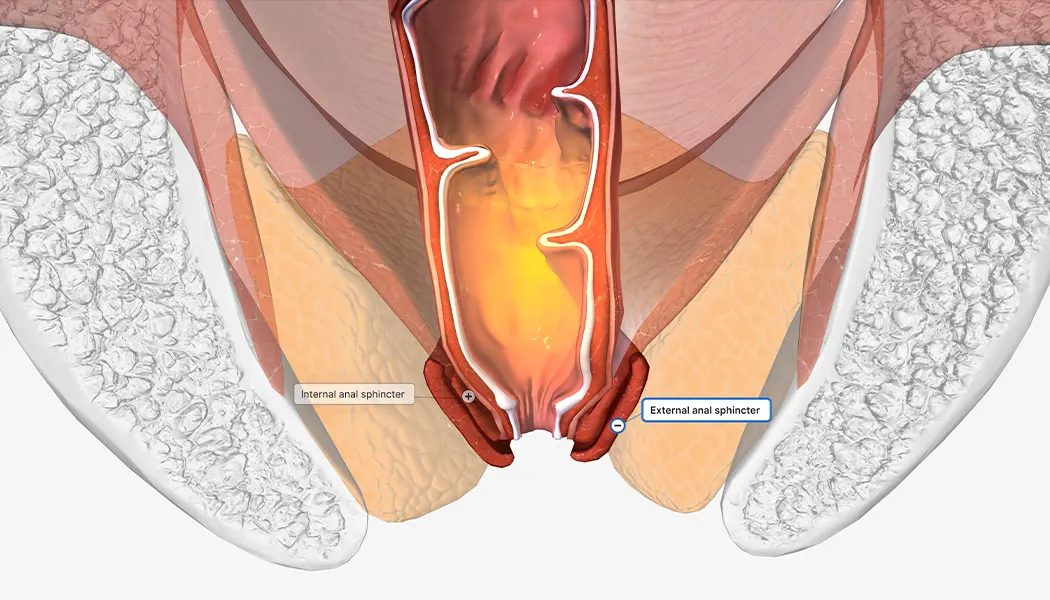
Fecal Incontinence is the inability to consistently control the passage of stool or gas. It occurs when the complex system responsible for bowel control does not function effectively.
Normal bowel continence depends on several structures and processes working together, including:
Anal Sphincter Muscles: These muscles help keep the anal opening closed and provide control over the release of stool.
Pelvic Floor Muscles: These muscles support the pelvic organs and contribute to bowel control.
Nerves: Nerves carry signals between the bowel, pelvic floor, and brain, helping a person recognise the urge to pass stool and coordinate muscle responses.
Rectal Sensation: The rectum needs to detect the presence and nature of its contents, helping the body respond appropriately.
Bowel Consistency: Very loose stool may be more difficult to control, while severe constipation can also contribute to leakage.
When one or more of these systems are affected, a person may experience accidental stool leakage, difficulty reaching the toilet in time, reduced awareness of the need to pass stool, or an inability to control gas.
Fecal incontinence can affect people of different ages and may have a significant impact on confidence, social activities, work, relationships, and quality of life. Although it can feel difficult or embarrassing to discuss, professional assessment is important because treatment options are available.
What Are The Symptoms Of Fecal Incontinence?
Accidental Stool Leakage: Stool may leak unexpectedly before reaching the toilet.
Loss of Bowel Control: A person may have difficulty delaying a bowel movement after feeling the urge to go.
Urgency: A sudden, strong urge to pass stool may make it difficult to reach the toilet in time.
Passive Leakage: Stool may leak without the person fully recognising that it is happening.
Gas Incontinence: There may be difficulty controlling the passage of gas.
Staining of Underwear: Small amounts of stool or mucus may cause repeated staining.
Leakage of Liquid Stool: Loose or watery stool can be particularly difficult to control.
Difficulty Controlling Bowel Movements During Physical Activity: Certain movements or activities may increase pressure and contribute to leakage in some individuals.
Skin Irritation: Repeated contact with stool can irritate the skin around the anal area.
Emotional and Social Impact: People may experience embarrassment, anxiety, reduced confidence, or avoidance of travel, social events, exercise, and other activities due to concerns about leakage.
What Are The Causes Of Fecal Incontinence?
Pelvic Floor Muscle Weakness: Weakness or reduced coordination of the pelvic floor muscles can affect bowel control.
Anal Sphincter Injury: Damage to the muscles responsible for closing the anus can contribute to stool leakage.
Childbirth-Related Injury: Vaginal delivery can sometimes affect the pelvic floor, anal sphincter, or nerves involved in bowel control.
Nerve Damage: Conditions or injuries affecting nerves can interfere with the signals needed for bowel sensation and muscle control.
Chronic Diarrhoea: Loose or frequent stools may be more difficult to hold until reaching the toilet.
Severe Constipation: Hard stool can sometimes become impacted, with softer stool leaking around it.
Reduced Rectal Sensation: Changes in the ability to feel stool in the rectum can contribute to passive leakage.
Age-Related Changes: Changes in muscle strength, tissue elasticity, nerve function, and other factors may affect bowel control with increasing age.
Previous Pelvic or Anal Surgery: Surgery involving the bowel, pelvis, or anal area may affect structures involved in continence.
Neurological Conditions: Certain neurological conditions can affect the nerves and muscles involved in bowel control.
Inflammatory or Bowel Conditions: Some gastrointestinal conditions can cause diarrhoea, urgency, or other symptoms that increase the risk of leakage.
Rectal Prolapse: Changes in the position of rectal structures may contribute to bowel control difficulties.
Previous Radiation Therapy: In some cases, treatment involving the pelvic area may affect bowel function.
A proper medical assessment is important because the most appropriate treatment depends on the underlying cause.
Diagnosis Of Fecal Incontinence
Medical History: A healthcare professional will ask about the frequency and type of leakage, stool consistency, bowel habits, urgency, previous pregnancies and deliveries where relevant, surgeries, medications, and medical conditions.
Bowel Diary: You may be asked to record bowel movements, leakage episodes, food intake, symptoms, and other relevant patterns over a period of time.
Physical Examination: A healthcare professional may assess the abdomen, pelvic region, and anal area where appropriate.
Digital Rectal Examination: A trained healthcare professional may assess anal sphincter muscle tone, strength, and the presence of other relevant findings.
Pelvic Floor Assessment: Pelvic floor muscle strength, endurance, awareness, and coordination may be assessed by an appropriately trained professional, with consent.
Anorectal Manometry: This test measures pressure and muscle function in the rectum and anal canal.
Endoanal Ultrasound: Ultrasound imaging may be used to assess the structure of the anal sphincter muscles.
MRI: In selected cases, MRI may provide additional information about the pelvic floor and surrounding structures.
Nerve Function Testing: Tests may be considered when nerve damage is suspected.
Colonoscopy or Other Bowel Investigations: These may be recommended if symptoms suggest an underlying bowel condition that requires further evaluation.
Treatment Of Fecal Incontinence
Treatment of the Underlying Cause: Managing conditions such as chronic diarrhoea, constipation, or an underlying bowel disorder may help improve symptoms.
Dietary and Fluid Guidance: A qualified healthcare professional may recommend dietary adjustments to help support regular and manageable stool consistency.
Bowel Habit Training: Establishing a regular bowel routine may help some individuals improve predictability and control.
Pelvic Floor Physiotherapy: A personalised programme may help improve the strength, endurance, awareness, and coordination of the pelvic floor muscles.
Anal Sphincter Exercises: Carefully guided exercises may be used to improve voluntary muscle control when appropriate.
Biofeedback Therapy: Biofeedback may help suitable patients improve awareness and coordination of pelvic floor and anal sphincter muscle activity.
Medication: A medical professional may recommend medication to manage diarrhoea, constipation, or other contributing bowel conditions.
Electrical Stimulation: In selected cases and under appropriate professional supervision, electrical stimulation may be considered to support muscle activation or rehabilitation.
Specialist Procedures: Depending on the underlying cause and severity, specialist treatments such as injections, nerve stimulation, or other interventions may be considered.
Surgical Treatment: Surgery may be considered in selected cases involving significant structural damage or when conservative management has not provided adequate improvement.
What Is The Physiotherapy Treatment Of Fecal Incontinence
Detailed Pelvic Floor Assessment: At Pure Physio, treatment begins with understanding your symptoms, bowel habits, medical history, lifestyle, pelvic floor function, and individual goals. Any internal assessment is performed only by an appropriately trained professional and with your informed consent.
Pelvic Floor Muscle Training: A personalised exercise programme may help improve the strength and endurance of the pelvic floor muscles involved in bowel control.
Muscle Coordination Training: Therapy may focus on improving the ability to correctly contract, relax, and coordinate the pelvic floor muscles when needed.
Anal Sphincter Rehabilitation: Where appropriate, specific exercises may help improve voluntary control and functional endurance of relevant muscles.
Biofeedback-Based Training: Where clinically available and appropriate, biofeedback techniques may help improve awareness of muscle activity and support correct exercise performance.
Bowel Habit Education: You may receive guidance on establishing suitable bowel routines and responding appropriately to bowel urges.
Toilet Positioning Guidance: Advice on appropriate positioning during bowel movements may help support efficient and comfortable bowel emptying.
Lifestyle and Activity Guidance: Relevant factors such as physical activity, hydration, diet, and daily routines may be discussed as part of a broader management plan.
Home Exercise Programme: You may receive a personalised programme to continue appropriate pelvic floor exercises and self-management strategies between sessions.
Progress Monitoring: Your programme is reviewed and progressed according to changes in symptoms, muscle control, functional ability, and individual goals.
Why Choose Pure Physio?
Private and Respectful Care: We understand that bowel control concerns can be sensitive. Assessments and treatment are approached with professionalism, privacy, dignity, and appropriate consent.
Personalised Pelvic Floor Rehabilitation: Every patient’s symptoms and contributing factors are different. Your programme is tailored to your individual needs and goals.
Focus on Muscle Strength and Coordination: Rehabilitation may address pelvic floor strength, endurance, awareness, relaxation, and coordination as appropriate.
Practical Bowel Management Guidance: We provide education and strategies to help suitable patients understand bowel habits and factors that may influence symptoms.
Evidence-Informed Rehabilitation: Treatment approaches are selected according to the individual’s assessment findings and current clinical needs.
Support for Everyday Confidence: Our goal is to help suitable patients improve confidence and participation in work, travel, exercise, social activities, and everyday life.
Integrated Care Approach: Where further medical investigation or specialist treatment is needed, physiotherapy can form part of a coordinated care plan with relevant healthcare professionals.
Start Your Recovery Journey Today
Don’t let pain, stiffness, or reduced mobility affect your daily life. Get personalised physiotherapy care designed around your condition and recovery goals.