Elbow Fractures
Restore elbow movement, rebuild arm strength, and return to everyday activities with personalised physiotherapy after an elbow fracture.
Contents
Take the First Step Towards Better Movement
Our experienced physiotherapists are here to help you improve mobility, regain strength, and move with greater comfort and confidence.
What is Elbow Fractures?
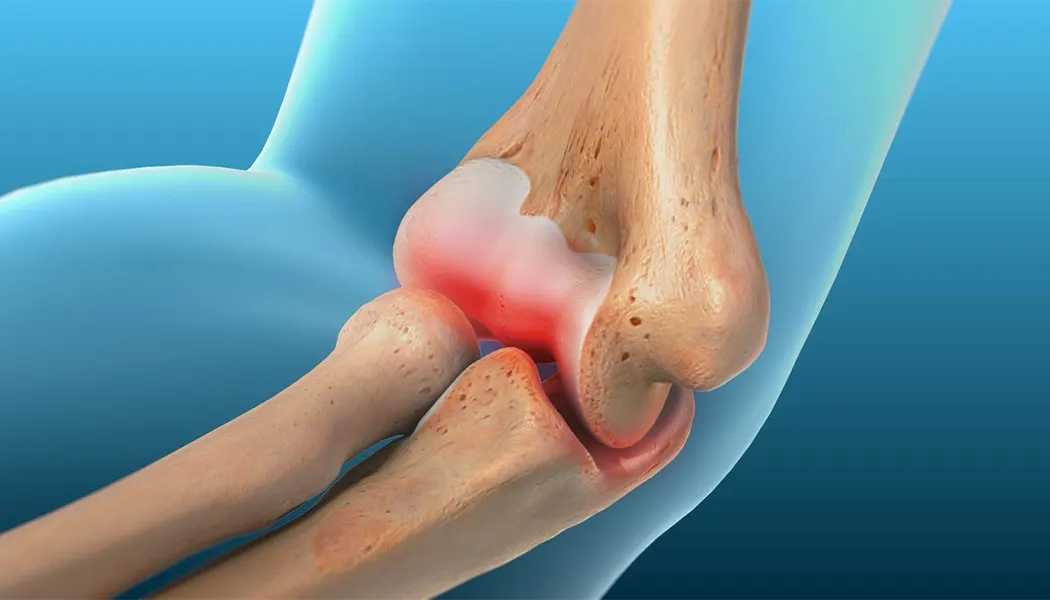
Elbow Fractures occur when one or more bones forming the elbow joint break due to a fall, direct impact, sports injury, or other trauma. They can cause severe pain, swelling, bruising, stiffness, and difficulty bending, straightening, or rotating the arm. Depending on the type and severity of the fracture, treatment may involve a cast, splint, brace, or surgery. At Pure Physio, physiotherapy focuses on safely restoring movement, reducing stiffness, rebuilding strength, and helping you regain functional use of your arm after appropriate medical treatment.
An elbow fracture is a break in one or more of the three bones that meet to form the elbow joint:
Humerus: The upper arm bone.
Radius: One of the forearm bones, located on the thumb side.
Ulna: The forearm bone located on the little-finger side.
Common types of elbow fractures include:
Olecranon Fracture: A fracture of the bony tip at the back of the elbow.
Radial Head or Radial Neck Fracture: A fracture affecting the upper part of the radius near the elbow.
Distal Humerus Fracture: A break in the lower end of the upper arm bone.
Coronoid Fracture: A fracture involving part of the ulna at the front of the elbow joint.
Some elbow fractures are non-displaced, meaning the bone remains in a relatively normal position. Others are displaced, meaning the broken bone fragments have moved out of alignment. Complex fractures may involve the joint surface, ligaments, nerves, blood vessels, or an associated elbow dislocation.
Because the elbow can become stiff after injury and immobilisation, appropriate rehabilitation is often important once movement is medically safe.
What Are The Symptoms Of Elbow Fractures?
Common Symptoms
Severe Elbow Pain: Pain often develops immediately after the injury.
Swelling: The elbow and surrounding area may become swollen.
Bruising: Discolouration may develop around the elbow and forearm.
Tenderness: The fracture area is usually painful when touched.
Difficulty Moving the Elbow: Bending or straightening the arm may be difficult.
Pain with Movement: Moving the elbow or forearm can increase discomfort.
Reduced Arm Strength: Pain and reduced use can make the arm feel weak.
Other Possible Symptoms
Deformity: A displaced or severe fracture may cause the elbow to look abnormal.
Difficulty Rotating the Forearm: Turning the palm up or down may be painful or restricted.
Grinding Sensation: An unusual sensation may occur around the injured joint.
Numbness or Tingling: Nerve irritation or injury may cause altered sensation in the forearm or hand.
Reduced Sensation: Parts of the hand or fingers may feel numb.
Cold or Pale Hand: Circulation problems can occur with severe injuries and require urgent medical attention.
Inability to Straighten the Elbow: This may occur due to pain, swelling, or structural injury.
An open wound, visible bone, major deformity, uncontrolled bleeding, or a cold, pale, or numb hand requires urgent emergency medical care.
What Are The Causes Of Elbow Fractures?
Falls: Falling directly onto the elbow or onto an outstretched hand can transmit force to the elbow joint.
Direct Impact: A strong blow to the elbow can cause a fracture.
Sports Injuries: Collisions, falls, and high-impact injuries can fracture the bones around the elbow.
Road Traffic Accidents: High-energy trauma can cause complex elbow fractures.
Workplace Accidents: Falls, crushing injuries, or direct trauma can damage the elbow.
Elbow Dislocation: The force causing a dislocation can also result in an associated fracture.
Bone Weakness: Conditions such as osteoporosis can increase the risk of fractures.
Repeated Stress: Repetitive loading can occasionally contribute to stress injuries in the upper limb.
Diagnosis Of Elbow Fractures
Medical History: A healthcare professional will ask how the injury occurred and about your symptoms.
Physical Examination: The elbow is examined for swelling, tenderness, deformity, movement, and joint stability.
Neurovascular Assessment: Sensation, circulation, pulses, and nerve function in the arm and hand are checked.
X-Rays: X-rays are commonly used to confirm the fracture and assess bone alignment.
CT Scan: CT may provide detailed images of complex fractures and joint involvement.
MRI Scan: MRI may be used to assess associated ligament, tendon, cartilage, or other soft-tissue injuries.
Follow-Up Imaging: Repeat X-rays or other imaging may be used to monitor fracture healing and alignment.
A proper diagnosis helps determine whether the fracture can be managed with immobilisation or requires surgery.
Treatment Of Elbow Fractures
Treatment depends on the type, location, severity, and stability of the fracture.
Immobilisation: A cast, splint, sling, or brace may protect the elbow while the bone heals.
Pain Management: Appropriate medication may be recommended to manage pain.
Fracture Reduction: Displaced bone fragments may need to be carefully realigned.
Non-Surgical Management: Stable fractures may heal with appropriate protection and monitoring.
Surgical Fixation: Complex or unstable fractures may require plates, screws, pins, wires, or other fixation methods.
Elbow Rehabilitation: Physiotherapy can help restore movement, strength, and function after medical clearance.
Gradual Return to Activity: Lifting, pushing, pulling, and sporting activities are gradually reintroduced according to bone healing.
Management of Associated Injuries: Ligament injuries, elbow dislocations, nerve problems, or other associated conditions may require additional treatment.
It is important not to begin aggressive stretching, heavy lifting, or strengthening until medically appropriate, as premature loading can interfere with fracture healing.
What Is The Physiotherapy Treatment Of Elbow Fractures
Detailed Assessment: At Pure Physio, we assess pain, swelling, healing status, elbow movement, forearm rotation, muscle strength, hand function, and relevant medical restrictions.
Individualised Rehabilitation Programme: Your treatment is based on the specific bone fractured, fracture severity, treatment method, stage of healing, and personal goals.
Pain and Swelling Management: Appropriate physiotherapy strategies may help support comfort and manage swelling.
Protected Early Movement: Once approved by your medical team, gentle exercises can help restore movement while protecting healing structures.
Elbow Range of Motion Exercises: Controlled exercises gradually improve bending and straightening.
Forearm Rotation Exercises: Rehabilitation can address difficulty turning the palm upward or downward.
Wrist and Hand Mobility Exercises: Exercises help maintain movement in nearby joints affected by immobilisation.
Gentle Stretching: Carefully progressed stretching can help improve flexibility once sufficient healing has occurred.
Joint Mobility Rehabilitation: Treatment addresses stiffness and movement restrictions as medically appropriate.
Strengthening Exercises: Progressive exercises help rebuild strength in the upper arm and forearm.
Grip Strength Training: Activities can help restore gripping and carrying ability.
Shoulder Strengthening: Shoulder exercises may help maintain upper-limb strength and movement during elbow recovery.
Scapular Control Training: Exercises can support shoulder posture and overall upper-limb movement.
Functional Rehabilitation: Therapy focuses on practical activities such as dressing, eating, grooming, lifting, carrying, pushing, and pulling.
Work-Specific Rehabilitation: Exercises can be adapted to prepare you for the physical demands of your job.
Sport-Specific Rehabilitation: Rehabilitation can progress toward the movements and loading required for your sport.
Post-Operative Rehabilitation: If surgery is required, your programme follows the surgeon’s recommendations and appropriate healing timelines.
Home Exercise Programme: A personalised programme supports continued recovery between physiotherapy sessions.
Progress Monitoring: Your treatment is regularly reviewed and progressed according to bone healing, pain, movement, strength, and functional improvement.
Why Choose Pure Physio?
Comprehensive Elbow Assessment: We assess healing status, pain, movement, forearm rotation, strength, and hand function.
Personalised Rehabilitation Plans: Your programme is tailored to your specific fracture, treatment method, stage of healing, and individual goals.
Safe Recovery Approach: Exercises are progressed carefully according to medical advice and bone-healing requirements.
Restore Elbow Movement: We help address stiffness and gradually improve bending and straightening.
Improve Forearm Function: Rehabilitation supports the recovery of rotation and practical use of the arm.
Rebuild Strength: Progressive exercises help restore muscle strength following injury and immobilisation.
Functional Recovery Focus: Therapy targets everyday activities that require reaching, lifting, carrying, pushing, pulling, and hand use.
Post-Immobilisation Rehabilitation: We support recovery after a cast, splint, sling, or brace.
Post-Surgical Rehabilitation: Structured physiotherapy is provided following fracture fixation when required.
Work and Sport Rehabilitation: Treatment can be adapted to your occupation, hobbies, and sporting goals.
Home Exercise Guidance: You receive a personalised programme to support progress between appointments.
Regular Progress Monitoring: Your rehabilitation is reviewed and adjusted as healing and function improve.
Integrated Care Approach: We work alongside orthopaedic specialists, surgeons, and other healthcare professionals when required.
Focused on Long-Term Arm Function: Our goal is to reduce pain and stiffness, restore comfortable elbow movement, rebuild strength, and help you safely return to the activities that matter most.
Start Your Recovery Journey Today
Don’t let pain, stiffness, or reduced mobility affect your daily life. Get personalised physiotherapy care designed around your condition and recovery goals.