Down Syndrome
Support movement, strength, balance, and independence with personalised physiotherapy for individuals with Down syndrome.
Contents
Take the First Step Towards Better Movement
Our experienced physiotherapists are here to help you improve mobility, regain strength, and move with greater comfort and confidence.
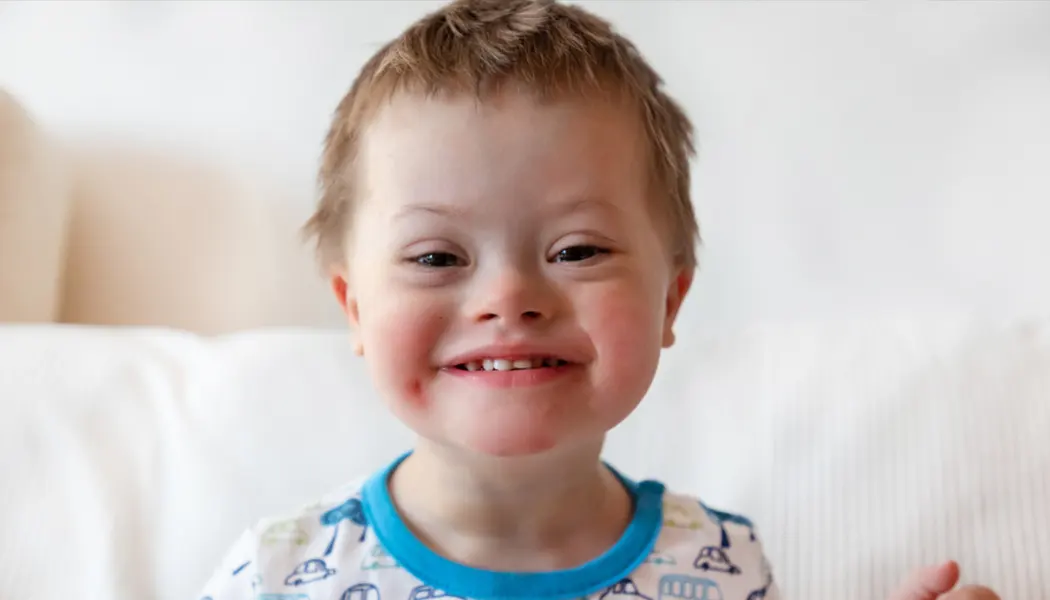
What is Down Syndrome?
Down Syndrome, also known as Trisomy 21, is a genetic condition in which a person has extra genetic material from chromosome 21. Most commonly, this involves an extra full copy of chromosome 21. The condition is present from birth and can influence physical development, learning, and overall health.
People with Down syndrome may have differences in muscle tone, joint flexibility, coordination, balance, and motor development. Low muscle tone (hypotonia) and increased joint flexibility can contribute to delayed development of skills such as rolling, sitting, crawling, standing, and walking. However, development varies significantly between individuals, and people with Down syndrome can continue developing skills throughout childhood and adulthood.
Some individuals may also have associated health conditions affecting the heart, hearing, vision, thyroid, digestive system, or other body systems. Regular medical monitoring and appropriate support are important. Physiotherapy can play a valuable role in promoting movement, physical activity, strength, balance, and functional independence.
What Are The Symptoms Of Down Syndrome?
The effects of Down syndrome vary from person to person. Common physical and developmental considerations may include:
Muscle And Movement
Low Muscle Tone: Muscles may feel less firm and provide less active support during movement.
Muscle Weakness: Reduced strength may affect posture, movement, and physical endurance.
Joint Hypermobility: Some joints may move beyond the typical range due to increased ligament flexibility.
Delayed Motor Milestones: Skills such as sitting, crawling, standing, and walking may develop later.
Reduced Postural Control: Maintaining stable sitting and standing positions may be more challenging.
Reduced Coordination: Some movements may require more time and practice to develop.
Balance And Mobility
Balance Difficulties: Reduced muscle tone and joint stability can affect balance.
Delayed Walking: Independent walking may develop later than in other children.
Altered Walking Pattern: Foot position, joint alignment, or muscle tone may influence gait.
Reduced Physical Endurance: Some individuals may fatigue more quickly during physical activity.
Difficulty with Stairs: Balance, strength, and coordination may affect stair climbing.
Foot And Postural Changes
Flat Feet: Reduced foot arch support is common in some individuals.
Foot Alignment Changes: Increased joint flexibility can affect foot and ankle positioning.
Postural Changes: Muscle weakness and joint flexibility may influence sitting and standing posture.
Knee Alignment Changes: Joint laxity may affect lower-limb alignment.
Other Health Considerations
Heart Conditions: Some individuals are born with congenital heart conditions.
Hearing Difficulties: Hearing problems may affect communication and development.
Vision Problems: Eye and vision conditions may occur.
Thyroid Conditions: Thyroid function can be affected.
Sleep Problems: Sleep-related breathing problems can occur in some individuals.
Atlantoaxial Instability: Increased movement between the upper cervical vertebrae can occur in a small number of individuals and requires appropriate medical assessment when symptoms or specific concerns are present.
Not every person with Down syndrome experiences these challenges.
What Are The Causes Of Down Syndrome?
Down syndrome is caused by an extra copy of genetic material from chromosome 21.
There are different genetic forms:
Trisomy 21: The most common form, where cells contain an extra full copy of chromosome 21.
Translocation Down Syndrome: Extra chromosome 21 material is attached to another chromosome.
Mosaic Down Syndrome: Some cells have the typical number of chromosomes while others have an extra copy of chromosome 21.
The condition occurs due to changes in chromosome distribution during early development. It is not caused by anything a person or parent does during everyday life.
Maternal age is associated with an increased chance of having a baby with Down syndrome, although babies with Down syndrome can be born to parents of any age.
Diagnosis Of Down Syndrome
Before Birth
Prenatal Screening: Screening tests can estimate the chance of the baby having Down syndrome.
Non-Invasive Prenatal Testing (NIPT): A blood test can analyse fetal DNA fragments in the mother’s blood to estimate the likelihood of certain chromosomal conditions.
Diagnostic Testing: Tests such as chorionic villus sampling or amniocentesis can confirm chromosomal differences.
After Birth
Physical Examination: Certain physical characteristics may suggest Down syndrome.
Chromosome Testing: A blood test called a karyotype can confirm the presence of extra chromosome 21 material.
Medical Assessment: Additional assessments may be recommended to check for associated health conditions.
Early diagnosis allows appropriate medical monitoring and developmental support to begin as soon as needed.
Treatment Of Down Syndrome
Down syndrome is a lifelong genetic condition and cannot be cured. Management focuses on supporting health, development, learning, function, and independence.
Regular Medical Monitoring: Ongoing healthcare reviews help identify and manage associated health conditions.
Physiotherapy: Physiotherapy supports movement, strength, balance, posture, coordination, and physical development.
Occupational Therapy: Occupational therapy can support hand skills, self-care, daily activities, and independence.
Speech and Language Therapy: Therapy may support communication, speech, language, and feeding-related difficulties when required.
Early Intervention: Developmental support during infancy and childhood can help children practise and develop important skills.
Appropriate Physical Activity: Regular activity supports strength, cardiovascular fitness, bone health, and participation.
Orthotic Support: Orthoses may be considered when foot or lower-limb alignment significantly affects function.
Educational Support: Individualised learning strategies can support development and participation.
Family Education: Parents and caregivers can receive guidance on positioning, movement, activity, and developmental support.
Care should be individualised according to each person’s strengths, needs, and goals.
What Is The Physiotherapy Treatment Of Down Syndrome
Detailed Assessment: At Pure Physio, we assess muscle tone, strength, joint movement, posture, balance, coordination, mobility, walking, and functional skills.
Individualised Rehabilitation Programme: Treatment is adapted according to age, developmental stage, physical ability, medical considerations, and personal goals.
Early Movement Support: For infants and young children, therapy can encourage age-appropriate movement and exploration.
Motor Skill Development: Exercises and activities support skills such as rolling, sitting, crawling, standing, and walking.
Postural Control Training: Activities help develop the strength and control needed for stable sitting and standing.
Strengthening Exercises: Appropriate exercises help develop muscle strength and support joint stability.
Balance Training: Activities can improve stability and confidence during standing and movement.
Coordination Training: Practice can help improve control and accuracy of movement.
Walking Rehabilitation: Physiotherapy can support the development of a safe and efficient walking pattern.
Gait Training: Treatment addresses step control, lower-limb alignment, foot positioning, and movement efficiency.
Stair Training: Exercises may help develop the strength, balance, and coordination required for stairs.
Functional Training: Therapy focuses on practical skills used at home, school, work, and in the community.
Foot and Ankle Support: Exercises and, when appropriate, referral for orthotic assessment may help support lower-limb alignment and function.
Physical Activity Guidance: We encourage appropriate movement and exercise to support long-term physical health.
Home Exercise Programme: Parents, caregivers, or individuals receive practical activities to support progress between sessions.
Progress Monitoring: The programme is reviewed and adapted as physical abilities and developmental needs change.
Safety Considerations: Physiotherapy is adapted according to the person’s medical history and relevant health conditions. Any symptoms suggesting possible cervical spine or neurological problems should be medically assessed before certain activities are undertaken.
Why Choose Pure Physio?
Comprehensive Physical Assessment: We assess movement, muscle tone, strength, posture, balance, coordination, and functional abilities.
Personalised Rehabilitation Plans: Therapy is tailored to the individual’s age, developmental stage, abilities, needs, and goals.
Focus on Physical Development: We support the development and improvement of important movement skills.
Strength and Joint Stability Support: Exercises help build strength and support movement around flexible joints.
Postural and Balance Training: Therapy helps improve stability and confidence during sitting, standing, and movement.
Motor Skill Development: Activities are designed to encourage meaningful and functional movement.
Walking and Mobility Support: We help develop or maintain safe, efficient, and confident mobility.
Fun and Goal-Focused Activities: Particularly for children, therapy can incorporate engaging activities that encourage regular participation and movement practice.
Functional Independence Focus: Rehabilitation supports practical activities at home, school, work, and in the community.
Family and Caregiver Guidance: We provide practical strategies to support movement and physical development outside therapy sessions.
Home Exercise Guidance: A personalised programme helps maintain consistent practice and progress.
Regular Progress Monitoring: Treatment is reviewed and adapted as abilities, needs, and goals change.
Integrated Care Approach: We work alongside doctors, paediatricians, occupational therapists, speech and language therapists, orthotists, and other healthcare professionals when required.
Focused on Long-Term Health and Participation: Our goal is to support strength, mobility, confidence, independence, and participation in the activities that matter most.
Start Your Recovery Journey Today
Don’t let pain, stiffness, or reduced mobility affect your daily life. Get personalised physiotherapy care designed around your condition and recovery goals.