Distal Muscular Dystrophy
Maintain mobility, support muscle function, and preserve independence with personalised physiotherapy for distal muscular dystrophy.
Contents
Take the First Step Towards Better Movement
Our experienced physiotherapists are here to help you improve mobility, regain strength, and move with greater comfort and confidence.
What is Distal Muscular Dystrophy?
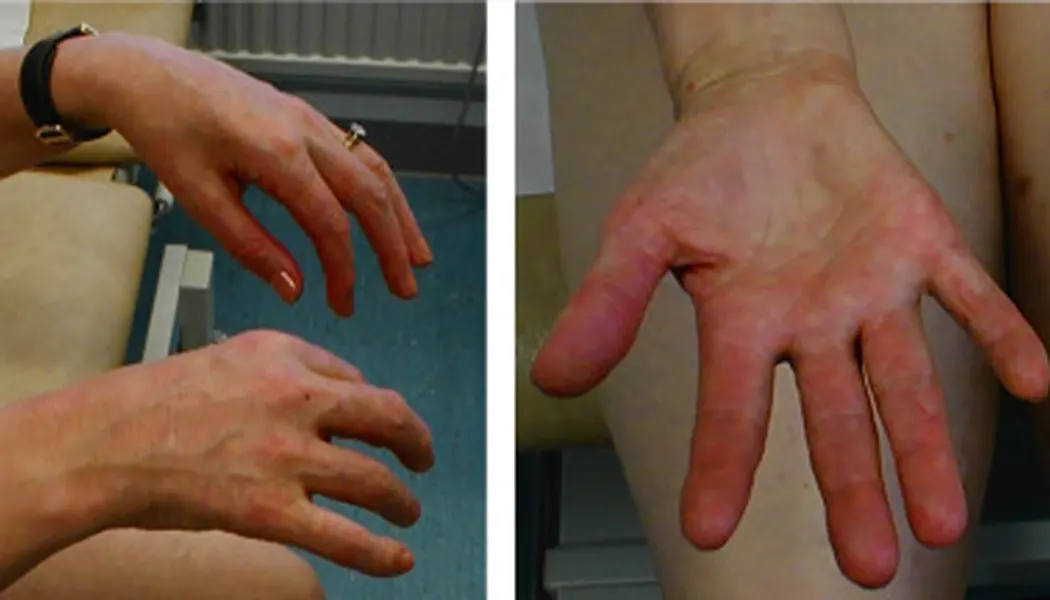
Distal Muscular Dystrophy refers to a group of rare inherited muscle disorders that primarily cause progressive weakness and wasting in the muscles farthest from the centre of the body, particularly the hands, forearms, lower legs, and feet. Symptoms can vary depending on the specific type and may include weakness, difficulty gripping objects, foot drop, problems walking, and reduced hand or ankle function. At Pure Physio, physiotherapy focuses on maintaining mobility, managing muscle weakness, supporting balance and function, preventing secondary complications, and helping individuals remain as independent and active as possible.
Distal Muscular Dystrophy is a group of genetic muscle disorders in which muscle weakness and wasting mainly affect the distal muscles—the muscles located farther away from the centre of the body, such as those in the hands, forearms, lower legs, ankles, and feet. Different types of distal muscular dystrophy are caused by different genetic changes and can begin at different ages. The pattern and speed of progression also vary considerably between individuals and between specific forms of the condition. Some types primarily affect the lower legs and feet, while others affect the hands and forearms first. Over time, muscle weakness can affect grip, fine hand movements, ankle control, walking, and balance. Because distal muscular dystrophy includes several distinct conditions, accurate diagnosis and ongoing medical assessment are important for planning appropriate treatment and rehabilitation.
What Are The Symptoms Of Distal Muscular Dystrophy?
Symptoms depend on the specific type of distal muscular dystrophy and the muscles affected.
Hand And Arm Symptoms
Hand Weakness: The hands may gradually lose strength.
Reduced Grip Strength: Holding, carrying, or gripping objects may become difficult.
Finger Weakness: Fine finger movements may become slower or less controlled.
Difficulty Writing: Writing, typing, or using small objects may become challenging.
Difficulty Opening Containers: Everyday tasks requiring hand strength may become difficult.
Forearm Weakness: Weakness may affect lifting and other arm activities.
Muscle Wasting: Muscles in the hands or forearms may gradually become smaller.
Leg And Foot Symptoms
Foot Weakness: Muscles controlling the foot and ankle may become weaker.
Foot Drop: Difficulty lifting the front of the foot may cause the toes to drag while walking.
Ankle Weakness: Reduced ankle control can affect walking and stability.
Difficulty Walking: Walking may become slower or require greater effort.
Tripping: Foot weakness may increase the risk of catching the toes and tripping.
Balance Problems: Reduced strength and foot control may affect stability.
Difficulty Climbing Stairs: Leg weakness can make stairs more challenging.
Difficulty Walking on Uneven Surfaces: Reduced ankle and foot control may affect confidence on uneven ground.
Muscle Cramps: Some people may experience muscle cramps or discomfort.
Muscle Wasting: Muscles in the lower legs may gradually decrease in size.
General Symptoms
Progressive Muscle Weakness: Weakness may gradually increase over time, although the rate of progression varies.
Reduced Endurance: Muscles may fatigue more easily during physical activity.
Reduced Functional Ability: Daily tasks may become more difficult as weakness progresses.
Changes in Walking Pattern: Weakness may cause compensatory changes in gait.
The specific symptoms, age of onset, and rate of progression can vary significantly between different forms of distal muscular dystrophy.
What Are The Causes Of Distal Muscular Dystrophy?
Distal muscular dystrophy is caused by inherited genetic changes that affect the structure or function of muscle cells.
Genetic Mutations: Changes in specific genes can interfere with normal muscle function and maintenance.
Inherited Patterns: Different forms may be inherited through dominant, recessive, or other genetic patterns.
Abnormal Muscle Protein Function: Some genetic changes affect proteins that are important for muscle structure, repair, or energy-related processes.
Progressive Muscle Fibre Damage: Over time, affected muscle fibres may become damaged and lose their ability to function normally.
Family History: A family history may be present, although the pattern can vary depending on the specific genetic condition.
The exact cause depends on the specific subtype of distal muscular dystrophy. Genetic testing and specialist assessment are often important to identify the precise condition.
Diagnosis Of Distal Muscular Dystrophy
Medical History: A healthcare professional will ask about when weakness began, how it has changed, the muscles affected, and any family history of muscle disease.
Physical Examination: Muscle strength, muscle size, movement, reflexes, walking pattern, and functional ability are assessed.
Neurological Examination: A neurologist may assess nerve and muscle function and identify the pattern of weakness.
Muscle Strength Testing: Different muscle groups are tested to determine which areas are affected.
Functional Assessment: Walking, stairs, grip, hand movements, and other daily activities may be evaluated.
Blood Tests: Certain blood tests, including creatine kinase levels, may be used as part of the assessment.
Genetic Testing: Genetic testing can help identify the specific mutation responsible for the condition.
Electromyography (EMG): EMG may help determine whether weakness is primarily related to muscle or nerve dysfunction.
Nerve Conduction Studies: These may help exclude certain nerve disorders with similar symptoms.
Muscle MRI: MRI can show patterns of muscle involvement and muscle tissue changes.
Muscle Biopsy: A muscle biopsy may occasionally be considered when further diagnostic information is needed.
Specialist Assessment: Neurologists and neuromuscular specialists are usually involved in confirming the diagnosis and planning ongoing care.
Because several neuromuscular conditions can cause similar distal weakness, an accurate diagnosis is important.
Treatment Of Distal Muscular Dystrophy
There is currently no single treatment that reverses all forms of distal muscular dystrophy. Management focuses on maintaining function, preventing complications, and supporting independence.
Regular Neuromuscular Monitoring: Ongoing specialist assessment helps monitor changes in muscle strength and function.
Physiotherapy: Rehabilitation helps maintain mobility, flexibility, balance, and functional ability.
Individualised Exercise: Carefully planned exercise may help maintain physical capacity while avoiding unnecessary overexertion.
Occupational Therapy: Occupational therapy can support hand function, daily activities, work, and independence.
Orthotic Management: Braces or ankle-foot orthoses may be recommended to improve foot positioning and walking safety.
Mobility Aids: Canes, walking frames, or other mobility devices may be considered when needed.
Stretching and Positioning: Appropriate positioning and movement can help reduce the risk of stiffness and contractures.
Fall Prevention: Strategies may help improve safety when weakness affects balance or foot clearance.
Assistive Devices: Adaptive equipment may help with dressing, writing, gripping, and household activities.
Genetic Counselling: Individuals and families may benefit from information about inheritance and genetic testing.
Psychological and Social Support: Ongoing support can help individuals and families manage the practical and emotional effects of a long-term condition.
Management should be individualised according to the specific subtype and pattern of muscle involvement.
What Is The Physiotherapy Treatment Of Distal Muscular Dystrophy
Detailed Assessment: At Pure Physio, we assess muscle strength, joint movement, balance, walking ability, hand and foot function, fatigue, and everyday functional needs.
Individualised Rehabilitation Programme: Your programme is adapted according to the specific muscles affected, current physical ability, rate of progression, and personal goals.
Mobility Exercises: Gentle exercises help maintain comfortable joint movement.
Stretching Programme: Appropriate stretches help maintain muscle length and reduce the risk of stiffness and contractures.
Strength Maintenance: Carefully selected exercises may help maintain available muscle strength without unnecessary overexertion.
Low-Impact Physical Activity: Suitable activities may support general fitness and cardiovascular health according to individual tolerance.
Balance Training: Exercises can help improve stability and confidence during standing and walking.
Walking Rehabilitation: Physiotherapy supports safe and efficient walking as muscle weakness changes.
Gait Training: We assess and address changes in walking caused by foot, ankle, or leg weakness.
Foot Drop Management: When appropriate, rehabilitation may include exercises, gait strategies, and referral for orthotic assessment.
Hand Function Support: Exercises and functional strategies may help maintain movement and practical use of the hands.
Functional Training: Therapy focuses on meaningful activities such as standing, walking, climbing stairs, reaching, gripping, and managing daily tasks.
Energy Conservation: We provide strategies to balance activity and rest when fatigue affects daily function.
Fall Prevention Training: Rehabilitation can address balance, foot clearance, home safety, and safe movement strategies.
Positioning Advice: Guidance may help maintain comfortable posture and reduce the risk of prolonged stiffness.
Assistive Device Guidance: Recommendations may be provided regarding braces, walking aids, or other equipment when required.
Home Exercise Programme: A manageable programme supports regular movement while respecting your energy and muscle capacity.
Progress Monitoring: Your programme is reviewed regularly and adjusted as muscle strength and functional needs change.
Important: Exercise should be individually prescribed. Excessive or prolonged high-intensity exercise may not be appropriate for all people with muscular dystrophy.
Why Choose Pure Physio?
Detailed Functional Assessment: We assess your muscle strength, mobility, balance, walking, hand and foot function, fatigue, and everyday needs.
Personalised Rehabilitation Plans: Your programme is adapted according to the specific pattern of muscle weakness and your individual goals.
Focus on Maintaining Independence: Rehabilitation supports the physical abilities needed for everyday movement and self-care.
Safe Exercise Guidance: Activities are selected and progressed carefully according to your muscle capacity and overall condition.
Mobility and Flexibility Support: We help maintain joint movement and reduce the risk of secondary stiffness.
Walking and Gait Support: Treatment addresses changes in walking, foot control, balance, and safety.
Hand and Foot Function Focus: Rehabilitation considers the practical impact of distal muscle weakness on gripping, fine movements, ankle control, and walking.
Balance and Fall Prevention: We provide strategies to improve stability and reduce fall risk.
Energy Conservation Strategies: Practical guidance helps manage activity and fatigue.
Assistive Device and Orthotic Support: We can help identify when additional equipment or specialist orthotic assessment may be beneficial.
Functional Rehabilitation: Therapy focuses on meaningful activities that support work, home life, mobility, and independence.
Regular Progress Monitoring: Your programme is reviewed and adapted as your physical abilities and needs change.
Integrated Care Approach: We support rehabilitation alongside neurologists, neuromuscular specialists, occupational therapists, orthotists, and other healthcare professionals when required.
Focused on Long-Term Quality of Life: Our goal is to help maintain mobility, comfort, safety, confidence, and independence while supporting participation in the activities that matter to you.
Start Your Recovery Journey Today
Don’t let pain, stiffness, or reduced mobility affect your daily life. Get personalised physiotherapy care designed around your condition and recovery goals.