Discectomy
Recover safely, rebuild strength and mobility, and return to daily activities with confidence through personalised physiotherapy after a Discectomy.
Contents
Take the First Step Towards Better Movement
Our experienced physiotherapists are here to help you improve mobility, regain strength, and move with greater comfort and confidence.
What is Discectomy?
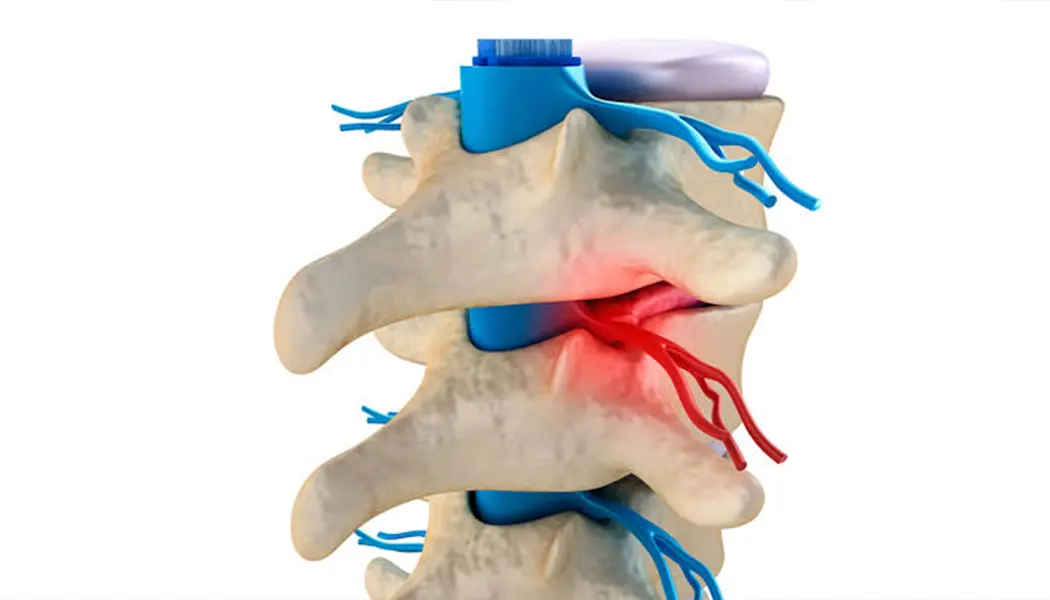
A Discectomy is a surgical procedure performed to remove part or all of a damaged spinal disc that is pressing on or irritating a nearby nerve. It is commonly performed when a disc herniation or slipped disc causes significant leg pain, numbness, weakness, or other nerve-related symptoms that do not improve with appropriate non-surgical treatment. The procedure is most commonly performed in the lumbar spine and may be called a Lumbar Discectomy or Microdiscectomy. At Pure Physio, post-operative rehabilitation focuses on restoring safe movement, improving strength and mobility, rebuilding confidence, and supporting a gradual return to work, exercise, and everyday activities according to your surgeon’s guidance.
Lumbar Discectomy: Removes disc material from the lower back to relieve pressure on a spinal nerve.
Microdiscectomy: A commonly used technique involving specialised surgical instruments and magnification to remove the part of the disc affecting the nerve.
Cervical Discectomy: Removes disc material from the neck region when a cervical disc is compressing nearby nerves or the spinal cord. Depending on the procedure, additional treatment such as fusion or disc replacement may also be performed.
Endoscopic Discectomy: In selected cases, minimally invasive techniques using specialised instruments may be considered.
The exact type of surgery depends on the spinal level, condition, symptoms, and surgeon’s assessment.
What Are The Symptoms Of Discectomy?
Common Symptoms
Lower Back Pain: Pain may be present in the lower back.
Leg Pain: Pain may travel from the back or buttock into the leg.
Sciatica: Sharp, burning, shooting, or electric-like pain may follow the path of the sciatic nerve.
Tingling: Pins-and-needles sensations may occur in the leg or foot.
Numbness: Reduced sensation may develop.
Muscle Weakness: Nerve compression can affect muscle strength.
Other Possible Symptoms
Pain While Sitting: Sitting may increase symptoms in some people.
Pain During Bending: Forward bending may aggravate symptoms.
Difficulty Walking: Pain or weakness may affect walking ability.
Difficulty Standing: Prolonged standing may become uncomfortable.
Pain During Coughing or Sneezing: Increased pressure may aggravate symptoms.
Reduced Exercise Tolerance: Physical activity may become difficult.
Difficulty Sleeping: Pain may interfere with sleep.
Changes in Daily Activities: Dressing, working, driving, lifting, and other tasks may become challenging.
What Are The Causes Of Discectomy?
A discectomy may be considered when a disc problem is causing significant symptoms and appropriate non-surgical treatment has not provided sufficient improvement.
Possible reasons include:
Persistent Sciatic Pain
Severe Leg Pain
Nerve Compression
Progressive Muscle Weakness
Persistent Numbness or Tingling
Significant Functional Limitations
Large Disc Herniation
Cauda Equina Syndrome, which requires urgent surgical assessment
The decision to perform surgery is made by a spinal surgeon or appropriate specialist based on your symptoms, physical examination, imaging findings, and overall clinical condition.
Treatment Of Discectomy
Recovery varies depending on:
The Type of Surgery
The Area of the Spine Treated
The Severity of Symptoms Before Surgery
Nerve Recovery
Your General Health
Your Physical Condition
After surgery, some people experience improvement in nerve-related leg pain relatively quickly, while numbness or weakness may take longer to improve.
It is common to experience some:
Post-Operative Soreness
Stiffness
Reduced Confidence with Movement
Temporary Weakness
Recovery should follow the specific instructions provided by your surgeon and medical team.
What Is The Physiotherapy Treatment Of Discectomy
Post-Operative Assessment: At Pure Physio, we assess your pain, movement, neurological symptoms, walking ability, posture, strength, functional limitations, and recovery status while following your surgeon’s guidance.
Individualised Rehabilitation Programme: Your programme is tailored according to your procedure, healing stage, symptoms, physical abilities, lifestyle, and recovery goals.
Education and Recovery Guidance: We provide practical guidance regarding safe movement, activity progression, pacing, and following relevant post-operative precautions.
Pain Management Strategies: Appropriate treatment and exercise selection may help manage post-operative discomfort.
Early Mobility: Carefully guided movement and walking help support a gradual return to everyday mobility when medically appropriate.
Walking Rehabilitation: Walking is progressively developed according to your recovery, symptoms, and medical guidance.
Gentle Spinal Mobility: Controlled movement exercises may be introduced when appropriate and permitted by your surgical team.
Nerve Mobility Exercises: Carefully selected nerve movement exercises may be used when appropriate for ongoing nerve-related symptoms.
Core Activation: Early exercises may focus on gentle activation and coordinated control of trunk muscles.
Core Strengthening: Progressive exercises help rebuild strength and endurance in the muscles supporting the spine.
Hip and Gluteal Strengthening: Targeted exercises improve lower-limb strength and support efficient functional movement.
Lower-Limb Strengthening: Progressive exercises help restore strength in the thighs, calves, and other muscles important for standing and walking.
Posture and Movement Training: We provide guidance on comfortable and efficient movement during sitting, standing, walking, and other daily activities.
Functional Movement Training: Rehabilitation progresses towards practical movements such as sitting, standing, bending, reaching, carrying, and lifting when medically appropriate.
Movement Retraining: Therapy addresses how you perform daily movements to improve control and confidence.
Balance Training: Exercises may improve stability and confidence during standing and walking.
Activity Pacing: We help you gradually increase activity while avoiding sudden, excessive increases in physical demands.
Work Rehabilitation: Your programme can be progressed according to the physical requirements of your job.
Exercise Rehabilitation: A structured programme supports a gradual return to gym activities and other forms of exercise when appropriate.
Sport-Specific Rehabilitation: Active individuals can progress towards the specific physical demands of their sport.
Home Exercise Programme: A personalised programme supports continued recovery between appointments.
Progress Monitoring: Your rehabilitation is regularly reviewed and adjusted according to pain, movement, strength, nerve symptoms, walking ability, and functional progress.
Why Choose Pure Physio?
Comprehensive Post-Operative Assessment: We assess pain, movement, strength, nerve-related symptoms, walking ability, functional limitations, and recovery progress.
Personalised Rehabilitation Plans: Your programme is tailored according to your surgery, surgeon’s guidance, healing stage, lifestyle, physical demands, and personal goals.
Safe Recovery Progression: Rehabilitation progresses according to your healing, symptoms, strength, and functional ability.
Restore Mobility and Movement Confidence: Carefully selected exercises help you gradually return to comfortable movement.
Rebuild Core and Lower-Limb Strength: Progressive rehabilitation targets the trunk, hips, gluteals, thighs, and other muscles supporting movement.
Support Nerve Recovery: We monitor nerve-related symptoms and use appropriate rehabilitation strategies within your individual recovery plan.
Improve Walking and Functional Mobility: Therapy targets safe, efficient movement for everyday activities.
Posture and Movement Education: Practical guidance helps improve confidence with sitting, standing, bending, reaching, and other activities.
Functional Strength Training: Rehabilitation progresses towards meaningful tasks such as lifting, carrying, working, and exercising.
Activity Pacing Guidance: We help you gradually increase physical activity without unnecessary sudden overload.
Work and Lifestyle Rehabilitation: Your programme can be tailored to the physical demands of your work and daily routine.
Return to Exercise Support: Rehabilitation can guide a gradual return to gym training and other activities when medically appropriate.
Sport-Specific Rehabilitation: Active individuals receive a structured progression towards their sporting demands.
Home Exercise Guidance: You receive a personalised programme to support consistent recovery between appointments.
Regular Progress Monitoring: Your rehabilitation is reviewed and adapted according to changes in pain, mobility, strength, nerve symptoms, and overall function.
Integrated Care Approach: We work alongside your surgeon, doctor, spinal specialist, and other healthcare professionals when required.
Focused on Long-Term Spinal Health: Our goal is to support a safe recovery, rebuild strength and movement confidence, improve function, and help you return to the activities that matter most.
Start Your Recovery Journey Today
Don’t let pain, stiffness, or reduced mobility affect your daily life. Get personalised physiotherapy care designed around your condition and recovery goals.