
Diabetic Neuropathy
Improve mobility, balance, and daily comfort with personalised physiotherapy support for diabetic neuropathy.
Contents
Take the First Step Towards Better Movement
Our experienced physiotherapists are here to help you improve mobility, regain strength, and move with greater comfort and confidence.
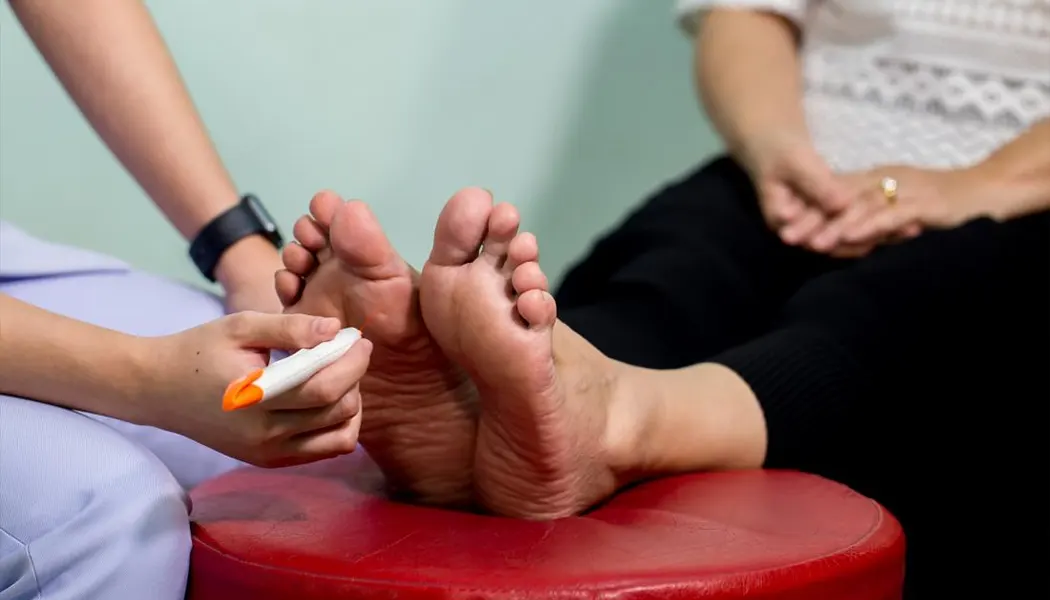
What is Diabetic Neuropathy?
Diabetic Neuropathy is a type of nerve damage that can develop in people with diabetes, often due to prolonged high blood glucose levels and other related factors. It commonly affects the nerves in the feet and legs, causing symptoms such as numbness, tingling, burning pain, reduced sensation, weakness, and balance problems. Some people may also develop nerve problems affecting other parts of the body. At Pure Physio, rehabilitation focuses on maintaining strength, mobility, balance, walking ability, and functional independence while supporting safe physical activity and appropriate foot-care awareness.
Diabetic Neuropathy refers to nerve damage associated with diabetes. High blood glucose levels over time can damage nerves and the small blood vessels that support them, affecting how nerves send signals throughout the body. The most common form is distal symmetric polyneuropathy, which usually begins in the toes and feet and may gradually progress upwards into the legs. It can cause pain, burning sensations, tingling, numbness, or reduced ability to feel temperature, pressure, or injuries. Because sensation may be reduced, small cuts, blisters, or pressure injuries can sometimes go unnoticed and develop into serious foot problems. Other types of diabetic neuropathy can affect individual nerves, the autonomic nervous system, or nerves controlling muscles. Good diabetes management and regular medical monitoring are important, while physiotherapy can help address the effects of neuropathy on movement, balance, strength, and daily function.
What Are The Symptoms Of Diabetic Neuropathy?
Symptoms depend on the nerves affected.
Sensory Symptoms
Numbness: Reduced sensation commonly begins in the toes and feet.
Tingling: Pins-and-needles sensations may occur in the feet or legs.
Burning Pain: Some people experience burning or hot sensations.
Sharp or Shooting Pain: Nerve pain may feel sharp, electric, or shooting.
Increased Sensitivity: Light touch or contact from clothing or bedding may feel unusually painful.
Reduced Sensitivity to Pain: Injuries may not be felt normally.
Reduced Temperature Sensation: It may become difficult to recognise hot or cold temperatures.
Reduced Vibration Sense: The ability to feel vibration may decrease.
Motor Symptoms
Muscle Weakness: Nerve damage affecting motor nerves may cause weakness.
Foot Weakness: Weakness can affect foot control and walking.
Difficulty Walking: Changes in sensation and muscle control can affect walking.
Balance Problems: Reduced sensation in the feet can make it harder to maintain balance.
Reduced Coordination: Movement may feel less controlled.
Foot Deformities: Long-term nerve and muscle changes may contribute to changes in foot shape in some individuals.
Skin And Foot Changes
Dry Skin: Reduced nerve function may affect normal sweating.
Cracked Skin: Dryness can increase the risk of skin cracks.
Cuts or Injuries Going Unnoticed: Reduced sensation can make small injuries difficult to detect.
Foot Ulcers: Repeated pressure or unnoticed injuries can contribute to skin breakdown.
Changes in Foot Temperature or Colour: These may occur due to changes in nerve and blood vessel function.
Symptoms may gradually progress and can affect both sides of the body, particularly in the feet and legs.
What Are The Causes Of Diabetic Neuropathy?
Diabetic neuropathy is linked to several factors.
Prolonged High Blood Glucose: Long-term elevated blood glucose can damage nerves.
Blood Vessel Changes: Damage to small blood vessels can reduce the support and nourishment supplied to nerves.
Metabolic Changes: Changes in the body’s metabolism can contribute to nerve damage.
Inflammation: Long-term inflammation may contribute to nerve injury.
Duration of Diabetes: The risk of neuropathy may increase the longer a person has diabetes.
Poor Blood Glucose Management: Difficulty maintaining blood glucose within the target range can increase risk.
High Blood Pressure: Hypertension may contribute to blood vessel and nerve damage.
High Cholesterol: Abnormal blood lipid levels can contribute to vascular damage.
Smoking: Smoking can affect circulation and increase the risk of nerve and vascular complications.
Kidney Disease: Kidney problems may be associated with an increased risk of neuropathy.
Genetic Factors: Individual genetic factors may influence susceptibility.
Not everyone with diabetes develops neuropathy, and the condition can vary in severity.
Diagnosis Of Diabetic Neuropathy
Medical History: A healthcare professional will ask about diabetes, blood glucose management, pain, numbness, tingling, weakness, and changes in balance or walking.
Foot Examination: The skin, nails, foot shape, circulation, and signs of injury are assessed.
Sensation Testing: Different types of sensation, including light touch, vibration, and pressure, may be assessed.
Monofilament Test: A small filament may be used to check protective sensation in the feet.
Reflex Testing: Reflexes may be assessed to identify nerve function changes.
Muscle Strength Assessment: Muscle strength and control may be evaluated.
Balance and Walking Assessment: Stability and walking pattern may be assessed.
Blood Tests: Blood glucose control and other medical factors may be reviewed.
Nerve Conduction Studies: These tests may be used when the diagnosis is unclear or another nerve condition is suspected.
Electromyography (EMG): EMG may be considered to assess muscle and nerve function.
Diagnosis is based on a combination of symptoms, clinical examination, diabetes history, and appropriate tests.
Treatment Of Diabetic Neuropathy
Treatment aims to manage diabetes, reduce symptoms, prevent complications, and maintain function.
Blood Glucose Management: Maintaining blood glucose within an appropriate target range is an important part of managing diabetes and reducing the risk of further nerve damage.
Medical Management: A doctor may prescribe medication to manage nerve pain or other symptoms.
Foot Care: Regular inspection and appropriate foot care can help identify cuts, pressure areas, and other problems early.
Physiotherapy: Rehabilitation can support strength, mobility, balance, walking, and physical function.
Regular Physical Activity: Appropriate exercise can support general health and physical function.
Pain Management: Medical and non-medical strategies may be used to manage nerve pain.
Balance and Fall Prevention: Exercises and practical safety strategies can help reduce the risk of falls.
Appropriate Footwear: Well-fitting footwear can help protect the feet and reduce excessive pressure.
Smoking Cessation: Stopping smoking can support circulation and overall health.
Management of Other Health Factors: Controlling blood pressure and cholesterol is important for overall vascular health.
Podiatry Care: Regular assessment by a podiatrist may be recommended, particularly for people at increased risk of foot complications.
Specialist Referral: Severe, rapidly progressing, unusual, or asymmetrical symptoms may require further medical assessment.
What Is The Physiotherapy Treatment Of Diabetic Neuropathy
Detailed Assessment: At Pure Physio, we assess your strength, sensation-related functional difficulties, joint movement, balance, walking pattern, foot function, activity levels, and risk of falls.
Individualised Exercise Programme: Your rehabilitation plan is adapted according to your symptoms, physical ability, foot health, medical advice, and individual goals.
Strengthening Exercises: Progressive exercises help maintain muscle strength in the legs, hips, and trunk.
Ankle and Foot Exercises: Carefully selected exercises help maintain movement and muscle control around the feet and ankles.
Balance Training: Exercises improve stability and confidence when standing and moving.
Walking Rehabilitation: Physiotherapy can support safer and more efficient walking.
Gait Training: We assess and address movement patterns that may affect stability and foot loading.
Functional Exercise: Therapy focuses on practical activities such as standing up, walking, stepping, climbing stairs, and moving safely around the home.
Mobility Exercises: Regular movement helps maintain joint flexibility and physical function.
Fall Prevention Training: Rehabilitation addresses strength, balance, environmental awareness, and safe movement strategies.
Low-Impact Aerobic Exercise: Appropriate activities may help maintain cardiovascular fitness and overall physical health.
Foot Protection Education: We provide practical guidance on checking the feet and reducing the risk of unnoticed injuries.
Activity Modification: Exercise and activity are adapted when pain, numbness, foot problems, or reduced balance affect safe participation.
Home Exercise Programme: A personalised programme supports regular and safe physical activity between sessions.
Progress Monitoring: Your treatment is reviewed and adjusted according to changes in strength, balance, walking ability, symptoms, and physical function.
Important: If you have reduced sensation, foot ulcers, open wounds, significant swelling, redness, or a suspected infection, appropriate medical or podiatry assessment is important before certain weight-bearing exercises are continued.
Why Choose Pure Physio?
Detailed Functional Assessment: We assess your strength, mobility, balance, walking, foot function, and daily activity needs.
Personalised Rehabilitation Plans: Your programme is adapted according to your symptoms, physical ability, diabetes-related complications, and individual goals.
Focus on Balance and Fall Prevention: Rehabilitation helps improve stability and confidence when standing and walking.
Strength and Mobility Training: We support the physical abilities needed for safe movement and everyday independence.
Walking and Gait Support: Treatment addresses changes in walking and lower-limb control.
Foot Health Awareness: We provide practical guidance to support foot protection and early recognition of potential problems.
Safe Exercise Progression: Activities are selected and progressed according to your symptoms, balance, medical status, and foot health.
Functional Rehabilitation: Therapy focuses on meaningful activities such as walking, standing, climbing stairs, and moving safely at home and in the community.
Support for Long-Term Management: Rehabilitation can help maintain physical activity and function as part of ongoing diabetes care.
Home Exercise Guidance: You receive a practical programme designed around your abilities and safety needs.
Regular Progress Monitoring: Your rehabilitation plan is reviewed and adjusted as your physical function and needs change.
Integrated Care Approach: When required, we support rehabilitation alongside doctors, diabetes specialists, podiatrists, and other healthcare professionals.
Focused on Independence and Quality of Life: Our goal is to help maintain strength, mobility, balance, confidence, and safe participation in the everyday activities that matter to you.
Start Your Recovery Journey Today
Don’t let pain, stiffness, or reduced mobility affect your daily life. Get personalised physiotherapy care designed around your condition and recovery goals.