
Diabetic Foot
Protect your feet, improve mobility, and maintain safe, confident movement with personalised physiotherapy support for Diabetic Foot.
Contents
Take the First Step Towards Better Movement
Our experienced physiotherapists are here to help you improve mobility, regain strength, and move with greater comfort and confidence.
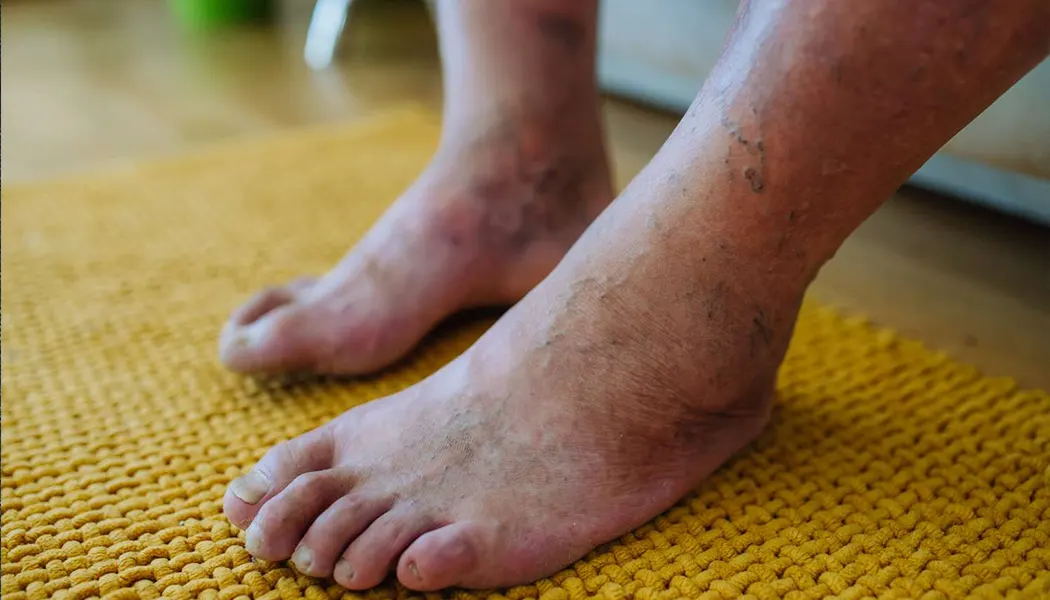
What is Diabetic Foot?
Diabetic Foot is a broad term used to describe foot complications associated with diabetes.
Diabetes can affect several systems that are important for foot health, including:
Nerves
Blood Vessels
Skin
Muscles
Joints
When these changes occur, the risk of foot injury and complications may increase.
One common problem is Diabetic Peripheral Neuropathy, where nerve damage can cause reduced sensation, tingling, burning, numbness, or weakness.
Reduced sensation can mean that a person may not immediately notice:
Cuts
Blisters
Pressure Areas
Foreign Objects in Shoes
Minor Injuries
Changes in blood circulation can also affect how well tissues receive oxygen and nutrients, potentially slowing healing.
Some people may also develop changes in foot shape, joint movement, and pressure distribution, increasing the risk of skin breakdown.
Diabetic foot complications can range from mild symptoms to serious ulcers and infections, so regular foot care and early assessment are important.
What Are The Symptoms Of Diabetic Foot?
Common Symptoms
Numbness: Reduced feeling in part or all of the foot.
Tingling: Pins-and-needles sensations may occur.
Burning Pain: Some people experience burning or painful nerve sensations.
Reduced Sensation: It may become difficult to feel pain, temperature, or pressure normally.
Foot Weakness: Nerve or muscle changes may affect foot strength and control.
Dry or Cracked Skin: Changes in skin and sweating can contribute to dryness.
Calluses: Areas exposed to repeated pressure may develop thickened skin.
Other Possible Symptoms
Cuts or Blisters: Minor injuries may occur without being noticed immediately.
Slow-Healing Wounds: A wound may take longer than expected to heal.
Foot Ulcers: Open sores can develop, particularly in areas exposed to repeated pressure.
Swelling: The foot may become swollen.
Changes in Skin Colour: Redness, darkening, paleness, or other changes may occur.
Changes in Foot Temperature: One area may feel unusually warm or cool.
Foot Deformity: Changes in muscle and joint function can alter foot shape and pressure distribution.
Balance Difficulties: Reduced sensation can affect stability during standing and walking.
Walking Difficulties: Pain, weakness, numbness, or foot changes can affect mobility.
Infection Symptoms: Redness, warmth, swelling, discharge, or worsening pain may indicate infection and require prompt medical assessment.
What Are The Causes Of Diabetic Foot?
Diabetic foot complications can develop due to one or more diabetes-related changes.
Peripheral Neuropathy: Nerve damage can reduce sensation and affect muscle control.
Reduced Blood Flow: Circulation problems can affect tissue health and healing.
High Pressure Areas: Repeated pressure during standing or walking can contribute to skin breakdown.
Foot Deformities: Changes in foot shape can increase pressure on specific areas.
Muscle Weakness: Weakness may affect foot control and movement.
Poorly Fitting Footwear: Tight or unsuitable shoes can cause friction, pressure, blisters, or skin injury.
Previous Foot Ulcers: A history of ulceration can increase the risk of future foot problems.
Previous Amputation: Previous tissue loss can alter foot loading and increase pressure elsewhere.
Skin Damage: Cracks, cuts, or blisters can create an entry point for infection.
Infection: Infection can develop in damaged skin or deeper tissues.
Reduced Joint Mobility: Stiffness may alter walking mechanics and increase pressure on certain areas.
Loss of Protective Sensation: Not feeling pain normally can allow injuries to worsen before they are detected.
Diagnosis Of Diabetic Foot
Medical History: A healthcare professional will review diabetes history, previous foot problems, ulcers, infections, medical conditions, and current symptoms.
Foot Inspection: The skin, nails, pressure areas, calluses, wounds, and overall foot shape are examined.
Sensation Testing: Tests may assess the ability to feel pressure, touch, vibration, or temperature.
Circulation Assessment: Pulses, skin colour, temperature, and other signs of blood flow may be evaluated.
Foot Posture Assessment: Foot shape and alignment are assessed.
Pressure Area Assessment: Areas exposed to increased pressure may be identified.
Range of Motion Assessment: Movement of the ankle, foot, and toes is assessed.
Strength Testing: Foot, ankle, and lower-limb muscle function may be evaluated.
Balance Assessment: Standing balance and stability may be assessed safely.
Walking Assessment: Gait and movement patterns may be evaluated.
Ulcer Assessment: If a wound is present, its size, depth, location, surrounding tissue, and signs of infection require appropriate clinical assessment.
Vascular Testing: Additional circulation tests may be required when reduced blood flow is suspected.
X-Rays: X-rays may be used when bone involvement, deformity, or other structural problems are suspected.
MRI or Other Imaging: Advanced imaging may be required in selected cases, including when deeper infection or bone involvement is suspected.
Treatment Of Diabetic Foot
Treatment depends on the specific problem, level of sensation, circulation, skin condition, and whether an ulcer or infection is present.
Regular Foot Monitoring: Frequent inspection helps identify changes early.
Daily Foot Checks: Checking the tops, soles, heels, and spaces between the toes can help identify cuts, blisters, redness, swelling, or other changes.
Appropriate Footwear: Well-fitting shoes that reduce unnecessary friction and pressure are important.
Professional Foot Care: Podiatry or other specialist care may be required for nail, callus, pressure, or skin problems.
Pressure Management: Offloading strategies may be used when areas of high pressure or ulcers are present.
Wound Care: Foot ulcers require appropriate assessment and management by qualified healthcare professionals.
Infection Management: Suspected infection requires prompt medical assessment and treatment.
Blood Glucose Management: Managing diabetes is an important part of supporting overall health and wound healing.
Circulation Management: Vascular assessment and treatment may be required when blood flow is reduced.
Physiotherapy: Physiotherapy can support safe mobility, strength, balance, flexibility, walking ability, and functional independence when medically appropriate.
Specialist Referral: Significant wounds, reduced circulation, suspected infection, or rapidly changing foot symptoms require urgent medical attention.
What Is The Physiotherapy Treatment Of Diabetic Foot
Detailed Functional Assessment: At Pure Physio, we assess mobility, muscle strength, joint movement, balance, walking ability, functional limitations, and relevant foot-related risks within appropriate clinical boundaries.
Individualised Rehabilitation Programme: Your programme is tailored according to your symptoms, level of sensation, medical status, mobility, lifestyle, and functional goals.
Safe Exercise Prescription: Exercises are selected and progressed according to your individual health status and foot condition.
Ankle Mobility Exercises: Carefully selected movements help maintain functional ankle mobility when appropriate.
Foot Mobility Exercises: Controlled exercises may help maintain movement in the foot and toes when medically suitable.
Lower-Limb Strengthening: Progressive exercises help maintain or improve strength in the ankles, calves, thighs, hips, and other muscles involved in mobility.
Foot Muscle Exercises: Targeted exercises may support foot control when sensation, skin condition, and overall clinical status allow.
Balance Training: Safe balance exercises may help improve stability and reduce the risk of falls, particularly where reduced sensation affects body awareness.
Proprioception Training: Controlled exercises may support movement awareness and lower-limb control.
Walking Retraining: We assess and guide walking patterns to improve safety, efficiency, and confidence.
Functional Mobility Training: Therapy can focus on practical activities such as standing, walking, transfers, stairs, and other everyday movements.
Fall Prevention Strategies: Exercises and practical guidance can help reduce modifiable factors associated with falls.
Pressure and Load Awareness: We provide appropriate guidance regarding activity levels and recognising when increased foot pressure may need further assessment.
Footwear Guidance: Practical advice can help support appropriate footwear choices alongside recommendations from your podiatrist or healthcare team.
Activity Management: We help guide safe participation in physical activity according to your medical condition and foot status.
Home Exercise Programme: A personalised programme supports continued mobility and strength while considering appropriate safety precautions.
Progress Monitoring: Your rehabilitation is reviewed and adjusted according to mobility, strength, balance, walking ability, symptoms, skin condition, and medical guidance.
Multidisciplinary Coordination: Physiotherapy is provided as part of an integrated approach, with referral or communication with doctors, podiatrists, diabetes specialists, wound-care teams, and vascular specialists when required.
Why Choose Pure Physio?
Comprehensive Functional Assessment: We assess mobility, strength, joint movement, balance, walking ability, and functional limitations while considering your foot-related risks.
Personalised Rehabilitation Plans: Your programme is tailored according to your medical status, symptoms, mobility, lifestyle, and personal goals.
Focus on Safe Mobility: Rehabilitation aims to help you maintain or improve movement while respecting appropriate foot and medical precautions.
Improve Lower-Limb Strength: Progressive exercises target the ankles, calves, thighs, hips, and other muscles important for mobility.
Maintain Functional Movement: Carefully selected exercises help support everyday movement and independence.
Improve Balance and Stability: Targeted training can help improve confidence and reduce modifiable fall risks.
Walking and Movement Retraining: We support safe, comfortable, and efficient movement during daily activities.
Individualised Exercise Progression: Your programme is adjusted according to your functional progress, symptoms, foot status, and medical guidance.
Fall Prevention Support: Rehabilitation addresses strength, balance, mobility, and movement factors associated with falls.
Footwear and Activity Guidance: Practical advice supports safe choices alongside recommendations from your healthcare team.
Functional Recovery Focus: Therapy targets meaningful activities such as standing, walking, climbing stairs, exercising safely, and participating in everyday life.
Home Exercise Guidance: You receive a personalised programme designed around your abilities and appropriate safety considerations.
Regular Progress Monitoring: Your rehabilitation is reviewed and adapted according to changes in strength, balance, mobility, walking ability, symptoms, and overall function.
Integrated Care Approach: We work alongside doctors, podiatrists, diabetes specialists, wound-care teams, vascular specialists, and other healthcare professionals when required.
Focused on Long-Term Mobility and Foot Health: Our goal is to support safe movement, maintain independence, improve physical function, and help you protect your feet as part of your overall diabetes care.
Start Your Recovery Journey Today
Don’t let pain, stiffness, or reduced mobility affect your daily life. Get personalised physiotherapy care designed around your condition and recovery goals.