Dementia
Support mobility, strength, balance, and independence with personalised physiotherapy for people living with dementia.
Contents
Take the First Step Towards Better Movement
Our experienced physiotherapists are here to help you improve mobility, regain strength, and move with greater comfort and confidence.
What is Dementia?
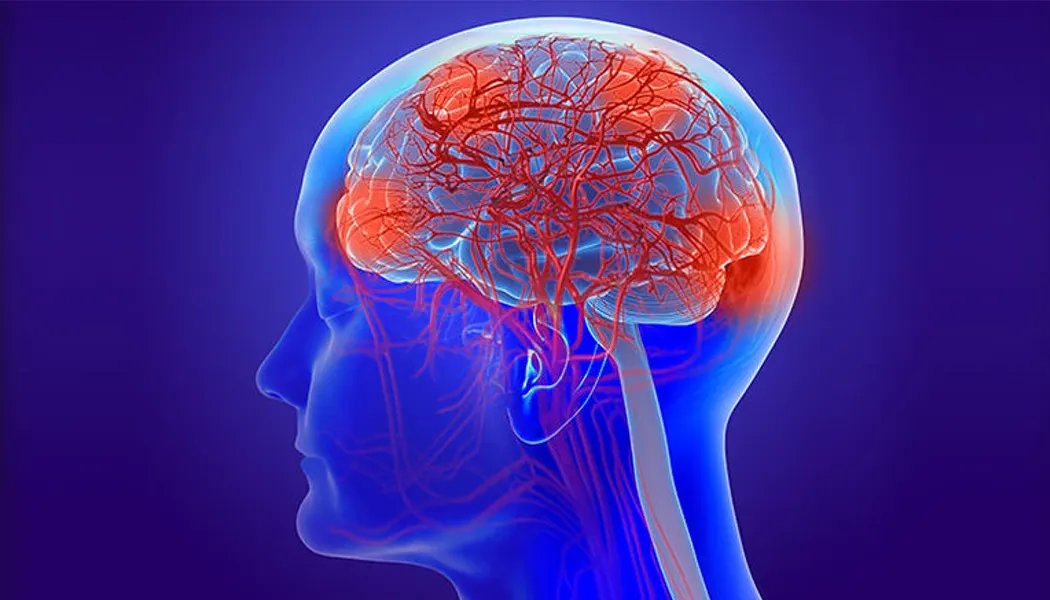
Dementia is a general term used to describe a group of conditions that affect memory, thinking, communication, behaviour, and the ability to perform everyday activities. It is caused by changes or damage to brain cells and can affect people in different ways depending on the type and stage of the condition. Common forms include Alzheimer’s disease, vascular dementia, Lewy body dementia, and frontotemporal dementia. Although physiotherapy does not cure dementia, it can play an important role in maintaining mobility, strength, balance, physical activity, and functional independence. At Pure Physio, rehabilitation is adapted to the individual’s physical abilities, communication needs, daily routine, and stage of the condition.
Dementia is not a single disease but a general term for a group of conditions that cause progressive changes in brain function. These changes can affect memory, thinking, attention, language, judgement, behaviour, and the ability to manage everyday tasks independently. Dementia occurs when brain cells become damaged or stop functioning normally, disrupting communication between different parts of the brain. Different types of dementia affect different areas of the brain and can therefore cause different patterns of symptoms. While dementia becomes more common with increasing age, it is not a normal part of ageing. The condition may gradually progress over time, although the speed and pattern of progression vary considerably between individuals. Early assessment is important because some conditions can cause dementia-like symptoms and may require different treatment.
What Are The Symptoms Of Dementia?
Symptoms can vary depending on the type and stage of dementia.
Memory And Thinking Symptoms
Memory Loss: Difficulty remembering recent events, conversations, or important information may occur.
Repeating Questions: A person may ask the same question or repeat information because they do not remember previous conversations.
Difficulty Learning New Information: Remembering recently learned information may become challenging.
Confusion: A person may become confused about time, place, people, or situations.
Difficulty Planning: Tasks involving organisation, planning, or multiple steps may become difficult.
Poor Judgement: Decision-making and judgement may be affected.
Difficulty Concentrating: Maintaining attention may become more challenging.
Disorientation: A person may become lost in familiar places or have difficulty understanding where they are.
Communication Symptoms
Difficulty Finding Words: A person may struggle to find the correct word during conversation.
Difficulty Following Conversations: Understanding or keeping up with discussions may become difficult.
Reduced Communication: A person may gradually communicate less or have difficulty expressing their needs.
Behaviour And Emotional Changes
Changes in Mood: Anxiety, sadness, irritability, or emotional changes may occur.
Changes in Personality: Some individuals may behave differently from their usual personality.
Agitation: A person may become restless or easily distressed.
Apathy: Reduced interest or motivation may develop.
Social Withdrawal: A person may participate less in social activities.
Physical And Functional Changes
Difficulty Performing Daily Activities: Dressing, bathing, cooking, managing medication, or other routine tasks may become difficult.
Reduced Balance: The risk of instability and falls may increase.
Changes in Walking: Walking may become slower or less coordinated.
Reduced Mobility: A person may become less physically active and gradually lose strength.
Difficulty Recognising Hazards: Reduced judgement or awareness may increase safety risks.
Changes in Sleep: Sleep patterns may change.
Not everyone experiences the same symptoms, and symptoms may change as the condition progresses.
Sudden confusion or a rapid change in mental state is not typical of slowly developing dementia and requires prompt medical assessment, as it may be caused by another medical problem.
What Are The Causes Of Dementia?
Dementia can be caused by different diseases and conditions that affect the brain.
Alzheimer’s Disease: The most common cause of dementia, associated with progressive changes and damage to brain cells.
Vascular Dementia: Caused by reduced blood flow or damage to blood vessels in the brain, including damage related to strokes.
Dementia with Lewy Bodies: Associated with abnormal protein deposits in the brain and may affect thinking, movement, alertness, and perception.
Frontotemporal Dementia: A group of conditions that primarily affect the frontal and temporal areas of the brain and can cause changes in behaviour, personality, language, or movement.
Mixed Dementia: Some individuals have more than one type of brain pathology contributing to dementia symptoms.
Parkinson’s Disease Dementia: Cognitive changes can develop in some people living with Parkinson’s disease.
Other medical conditions can also cause symptoms that resemble dementia.
These may include:
Vitamin Deficiencies
Thyroid Problems
Medication Effects
Depression
Infections
Normal Pressure Hydrocephalus
Other Neurological Conditions
This is why a thorough medical assessment is important when cognitive symptoms first develop
Diagnosis Of Dementia
Medical History: A healthcare professional will ask about memory, thinking, communication, daily activities, behaviour, and changes over time.
Information from Family or Caregivers: Family members or caregivers may provide important information about changes in everyday functioning.
Cognitive Assessment: Memory, attention, language, reasoning, and other thinking abilities may be assessed using appropriate tests.
Physical and Neurological Examination: Movement, strength, sensation, reflexes, coordination, and other neurological functions may be evaluated.
Daily Function Assessment: The ability to manage activities such as dressing, cooking, finances, medication, and personal care may be discussed.
Blood Tests: Blood tests can help identify other medical conditions that may contribute to cognitive symptoms.
Brain Imaging: CT or MRI scans may help identify strokes, brain changes, tumours, fluid-related problems, or other causes.
Specialist Assessment: A neurologist, geriatrician, psychiatrist, memory specialist, or other healthcare professional may be involved.
Diagnosis is based on a combination of symptoms, functional changes, cognitive assessment, medical examination, and appropriate investigations.
Treatment Of Dementia
There is currently no cure for many common types of dementia, but treatment and support can help manage symptoms and maintain quality of life.
Medical Management: Treatment depends on the type and cause of dementia.
Medication: Certain medicines may be prescribed to help manage cognitive symptoms or related behavioural and emotional symptoms.
Management of Other Health Conditions: Treating conditions such as high blood pressure, diabetes, hearing problems, or other medical issues may be important.
Cognitive and Occupational Support: Structured activities and occupational therapy may help support everyday function.
Physiotherapy: Physiotherapy can help maintain mobility, strength, balance, physical activity, and functional independence.
Regular Physical Activity: Appropriate exercise can support physical health, strength, mobility, and overall wellbeing.
Routine and Familiarity: Consistent routines and familiar environments may help reduce confusion for some individuals.
Communication Support: Clear, calm, and simple communication can help individuals participate more effectively.
Nutrition and Hydration: Maintaining appropriate nutrition and hydration is important for general health.
Fall Prevention: Addressing balance, mobility, strength, footwear, and environmental hazards can help reduce fall risk.
Caregiver Education: Family members and caregivers may benefit from guidance regarding mobility, communication, safety, and daily support.
Psychological and Social Support: Social engagement and emotional support can help maintain wellbeing.
Management should be individualised according to the type of dementia, symptoms, stage of the condition, overall health, and personal needs.
What Is The Physiotherapy Treatment Of Dementia
Detailed Assessment: At Pure Physio, we assess mobility, walking, balance, strength, joint movement, fall history, physical activity levels, functional ability, and individual support needs.
Person-Centred Rehabilitation: Treatment is adapted to the person’s abilities, communication style, routine, interests, and stage of the condition.
Strengthening Exercises: Simple and progressive exercises help maintain muscle strength needed for standing, walking, and daily activities.
Balance Training: Exercises help improve stability and reduce the risk of falls.
Walking and Gait Training: Physiotherapy can support safer and more confident walking.
Mobility Exercises: Regular movement helps maintain joint mobility and physical function.
Functional Exercise: Therapy practises meaningful movements such as sit-to-stand, walking, stepping, reaching, and transfers.
Transfer Training: We help improve safe movement between the bed, chair, toilet, and other everyday positions.
Fall Prevention Training: Balance exercises, movement practice, and practical safety strategies help address fall risks.
Postural Training: Exercises may support comfortable upright posture during sitting and standing.
Coordination Exercises: Simple activities may help maintain movement control and body awareness.
Endurance Activities: Appropriate walking or other activities can help maintain physical fitness and stamina.
Familiar and Repetitive Activities: Exercises may be structured using simple, familiar movements to support participation.
Clear Communication Strategies: Therapy uses simple instructions, demonstration, repetition, and appropriate cues based on individual needs.
Caregiver Guidance: Family members and caregivers may receive guidance on safe mobility, exercise, transfers, and fall prevention.
Home Exercise Programme: A simple and manageable programme can support regular physical activity between sessions.
Regular Progress Monitoring: Rehabilitation is reviewed and adapted as physical abilities, functional needs, and support requirements change.
Why Choose Pure Physio?
Person-Centred Care: We adapt rehabilitation to the individual’s physical ability, communication needs, routine, and goals.
Detailed Functional Assessment: We assess mobility, walking, strength, balance, transfers, daily activities, and fall risks.
Simple and Structured Rehabilitation: Exercises are designed to be clear, practical, and appropriate for the individual’s abilities.
Focus on Mobility and Independence: Therapy aims to maintain the physical abilities needed for everyday movement and activities.
Strength and Balance Training: We focus on the physical factors that support safe standing, walking, and functional mobility.
Fall Prevention Support: Rehabilitation addresses balance difficulties and practical strategies to reduce fall risks.
Functional Movement Practice: Therapy focuses on meaningful activities such as getting up from a chair, walking, transferring, and moving safely at home.
Support for Changing Needs: Treatment can be adapted as the individual’s physical and functional needs change.
Caregiver and Family Guidance: We provide practical support to help caregivers assist with safe movement and appropriate exercises.
Comfortable and Supportive Approach: Rehabilitation is delivered with patience, clear communication, and respect for the individual’s needs.
Integrated Care Approach: When required, we can work alongside doctors, neurologists, occupational therapists, nurses, caregivers, and other healthcare professionals.
Focused on Quality of Life: Our goal is to help maintain mobility, physical function, confidence, safety, and participation in meaningful everyday activities for as long as possible.
Start Your Recovery Journey Today
Don’t let pain, stiffness, or reduced mobility affect your daily life. Get personalised physiotherapy care designed around your condition and recovery goals.