Degenerative Disc Disease
Reduce pain, improve spinal mobility, and move with greater confidence through personalised physiotherapy for degenerative disc disease.
Contents
Take the First Step Towards Better Movement
Our experienced physiotherapists are here to help you improve mobility, regain strength, and move with greater comfort and confidence.
What is Degenerative Disc Disease?
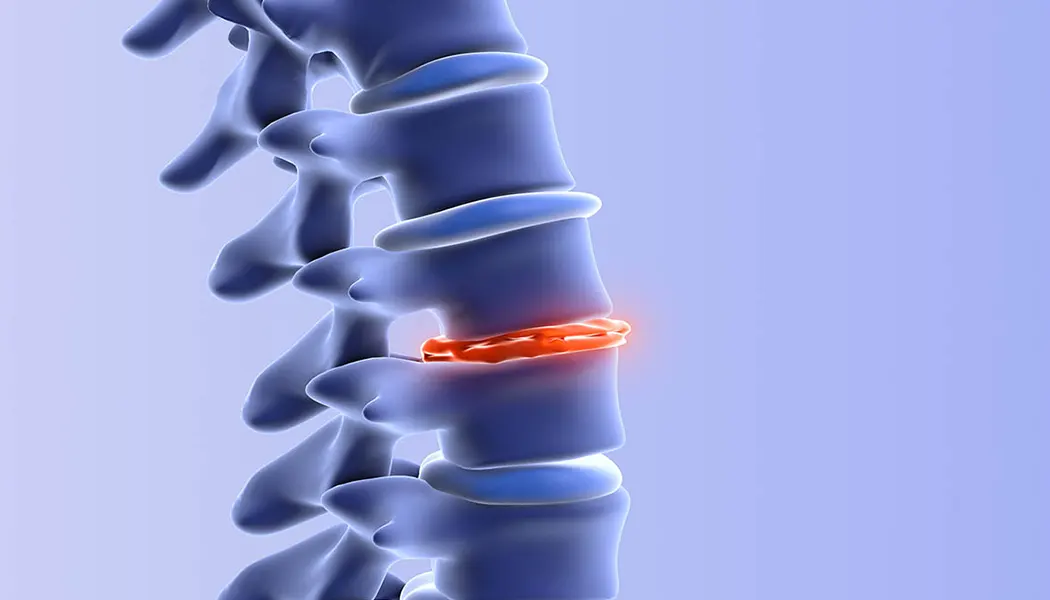
Degenerative Disc Disease is a condition involving age-related changes in the spinal discs, the soft structures that act as cushions between the bones of the spine. As discs lose water content and flexibility over time, they may become less able to absorb load and can be associated with back or neck pain, stiffness, and reduced movement. Some people have disc degeneration without experiencing any symptoms. At Pure Physio, rehabilitation focuses on improving spinal mobility, strength, movement control, and daily function through a personalised programme based on your symptoms and physical assessment.
Degenerative Disc Disease (DDD) refers to changes that occur in the spinal discs over time. Despite its name, it is not necessarily a disease that continuously worsens in every person. Spinal discs are soft, cushion-like structures located between most of the vertebrae. They help absorb load and allow the spine to move. With age and other factors, discs can gradually lose water content, height, and flexibility and may develop small tears or structural changes. These changes are common and can appear on imaging even in people who have no pain. In some individuals, disc changes may be associated with neck or back pain, stiffness, reduced movement, or nerve-related symptoms when nearby structures are affected. Degenerative changes can occur in the cervical, thoracic, or lumbar spine, although the neck and lower back are commonly affected.
What Are The Symptoms Of Degenerative Disc Disease?
Symptoms vary depending on the location and severity of disc-related changes.
General Symptoms
Back or Neck Pain: Pain may occur in the lower back or neck, depending on the affected spinal region.
Intermittent Pain: Symptoms may come and go over time.
Chronic Pain: Some individuals experience persistent or recurring discomfort.
Stiffness: The spine may feel stiff, particularly after prolonged positions.
Reduced Range of Motion: Bending, turning, or extending the spine may become uncomfortable.
Pain with Prolonged Sitting: Sitting for long periods may aggravate symptoms in some individuals.
Pain with Bending or Lifting: Certain movements or loads may increase discomfort.
Muscle Tightness: Muscles around the spine may feel tense or protective.
Lower Back Symptoms
Lower Back Pain: Pain may be localised to the lumbar region.
Buttock Pain: Pain may spread into the buttocks.
Leg Pain: If nearby nerves are affected, pain may travel into one or both legs.
Tingling or Numbness: Nerve irritation may cause altered sensation.
Leg Weakness: Significant nerve involvement can affect muscle strength.
Neck Symptoms
Neck Pain: Discomfort may occur in the cervical spine.
Shoulder or Arm Pain: Pain may travel from the neck into the shoulder or arm.
Tingling in the Arm or Hand: Nerve irritation may cause pins-and-needles sensations.
Numbness: Reduced sensation may occur in parts of the arm or hand.
Arm Weakness: Significant nerve compression can affect muscle strength.
Symptoms can vary, and the amount of disc degeneration seen on an X-ray or MRI does not always match the amount of pain a person experiences.
What Are The Causes Of Degenerative Disc Disease?
Disc degeneration is usually influenced by a combination of natural ageing and other factors.
Ageing: Spinal discs naturally change over time and may lose water content and flexibility.
Genetic Factors: Some people may have an inherited tendency toward earlier or more significant disc changes.
Repetitive Spinal Loading: Repeated physical loading may contribute to disc wear in some individuals.
Previous Injury: Trauma or spinal injury may contribute to disc changes.
Heavy Physical Work: Frequent lifting or physically demanding activities may increase spinal loading.
Smoking: Smoking can affect blood supply and may contribute to disc degeneration.
Excess Body Weight: Higher body weight can increase mechanical load on the spine.
Sedentary Lifestyle: Reduced physical activity may contribute to poor muscle conditioning and spinal function.
Poor Physical Conditioning: Reduced strength and endurance of the supporting muscles may affect spinal load tolerance.
Spinal Alignment Changes: Conditions affecting spinal alignment may alter how loads are distributed.
Repetitive Bending and Twisting: Frequent combined movements may increase stress on spinal structures.
Disc degeneration is common with increasing age and does not always cause pain or disability.
Diagnosis Of Degenerative Disc Disease
Medical History: A healthcare professional will ask about the location, duration, and pattern of pain, along with factors that worsen or relieve symptoms.
Physical Examination: Spinal movement, muscle strength, posture, and physical function may be assessed.
Neurological Examination: Sensation, reflexes, and muscle strength may be checked when nerve involvement is suspected.
Movement Assessment: Bending, extending, rotating, sitting, standing, and other movements may be evaluated.
Functional Assessment: Daily activities such as walking, lifting, working, and sleeping may be reviewed.
X-Rays: X-rays may show disc-space narrowing, spinal alignment, and other degenerative changes.
MRI: MRI provides detailed information about the spinal discs, nerves, spinal canal, and surrounding soft tissues.
CT Scan: CT may be used when detailed assessment of bony structures is required.
Discography: This specialised test is rarely used and may be considered only in selected situations.
Diagnosis should be based on a combination of symptoms, physical examination, and appropriate imaging, as imaging findings alone may not explain a person’s pain.
Treatment Of Degenerative Disc Disease
Treatment depends on symptoms, physical findings, nerve involvement, and the effect on daily life.
Physiotherapy: A structured rehabilitation programme can help improve movement, strength, physical function, and confidence.
Exercise Therapy: Regular, appropriate exercise can improve spinal strength and overall physical capacity.
Activity Modification: Temporarily modifying activities that significantly aggravate symptoms can help manage flare-ups.
Pain Management: A doctor may recommend suitable medication when required.
Heat or Cold Therapy: Heat or cold may provide temporary relief for some people.
Postural Strategies: Improving movement and changing prolonged positions may help manage symptoms.
Weight Management: Maintaining a healthy body weight may reduce unnecessary load on the spine.
Lifestyle Changes: Regular physical activity and avoiding smoking can support overall spinal and general health.
Spinal Injections: Certain injections may be considered in selected cases following appropriate medical assessment.
Specialist Referral: Persistent pain or significant nerve symptoms may require further evaluation.
Surgery: Surgery is considered only in selected cases, such as when significant nerve compression or spinal instability is present and other appropriate treatments have not been successful.
Treatment should be based on the individual rather than imaging findings alone.
What Is The Physiotherapy Treatment Of Degenerative Disc Disease
Detailed Assessment: At Pure Physio, we assess your pain, spinal movement, posture, muscle strength, nerve-related symptoms, activity tolerance, and daily functional limitations.
Individualised Exercise Programme: Your rehabilitation plan is designed according to your symptoms, spinal region affected, physical ability, lifestyle, and goals.
Spinal Mobility Exercises: Carefully selected movements help maintain comfortable spinal mobility.
Core Strengthening: Progressive exercises improve the strength and endurance of the muscles supporting the trunk.
Hip and Lower-Limb Strengthening: Improving lower-body strength can support efficient movement and reduce unnecessary strain.
Postural Training: We provide guidance on maintaining varied and comfortable positions during work and daily activities.
Movement Re-Education: Therapy focuses on improving the way you bend, lift, sit, stand, and perform everyday movements.
Flexibility Training: Appropriate exercises may address muscle tightness affecting spinal movement.
Functional Strength Training: Rehabilitation focuses on movements required for work, household tasks, and daily activities.
Graded Activity: Physical activity is gradually increased to improve tolerance and confidence.
Walking Programme: A progressive walking programme may help improve general fitness and movement tolerance.
Manual Therapy: Appropriate hands-on techniques may be used as part of an overall treatment plan when clinically suitable.
Pain Management Strategies: We provide practical strategies to help manage symptoms and reduce unnecessary fear of movement.
Activity Pacing: We help you gradually manage and progress activities without unnecessary overexertion.
Home Exercise Programme: A personalised programme supports regular movement and continued rehabilitation between sessions.
Progress Monitoring: Your programme is regularly reviewed and adjusted according to changes in pain, mobility, strength, and functional ability.
Why Choose Pure Physio?
Detailed Spinal Assessment: We assess your pain, movement, posture, strength, nerve-related symptoms, and daily functional needs.
Personalised Rehabilitation Plans: Your treatment is adapted according to your symptoms, spinal region affected, physical ability, lifestyle, and recovery goals.
Focus on Movement and Function: We help improve the physical abilities needed for comfortable and confident everyday movement.
Spinal Mobility Support: Rehabilitation helps maintain and improve comfortable movement of the neck or back.
Core and Muscle Strengthening: We focus on improving the strength and endurance needed to support physical activity.
Posture and Movement Guidance: We provide practical strategies for sitting, standing, lifting, and other daily activities.
Gradual Activity Progression: Exercises and activities are progressed according to your symptoms and physical capacity.
Support During Flare-Ups: Your programme can be modified when symptoms temporarily increase.
Functional Rehabilitation: Therapy focuses on meaningful activities such as walking, working, bending, lifting, and exercising.
Pain-Guided Exercise Progression: Rehabilitation is progressed carefully according to your physical response.
Regular Progress Monitoring: Your programme is reviewed and adjusted as your symptoms and functional ability change.
Integrated Care Approach: When imaging, pain management, spinal injections, or specialist assessment is required, we support physiotherapy as part of a coordinated healthcare plan.
Focused on Long-Term Spinal Health: Our goal is to help improve mobility, strength, physical confidence, and activity tolerance while supporting a sustainable return to the activities that matter to you.
Start Your Recovery Journey Today
Don’t let pain, stiffness, or reduced mobility affect your daily life. Get personalised physiotherapy care designed around your condition and recovery goals.