Deep Venous Thrombosis
Recover safely, restore mobility, and return to confident movement with personalised physiotherapy support following appropriate medical management of Deep Venous Thrombosis.
Contents
Take the First Step Towards Better Movement
Our experienced physiotherapists are here to help you improve mobility, regain strength, and move with greater comfort and confidence.
What is Deep Venous Thrombosis?
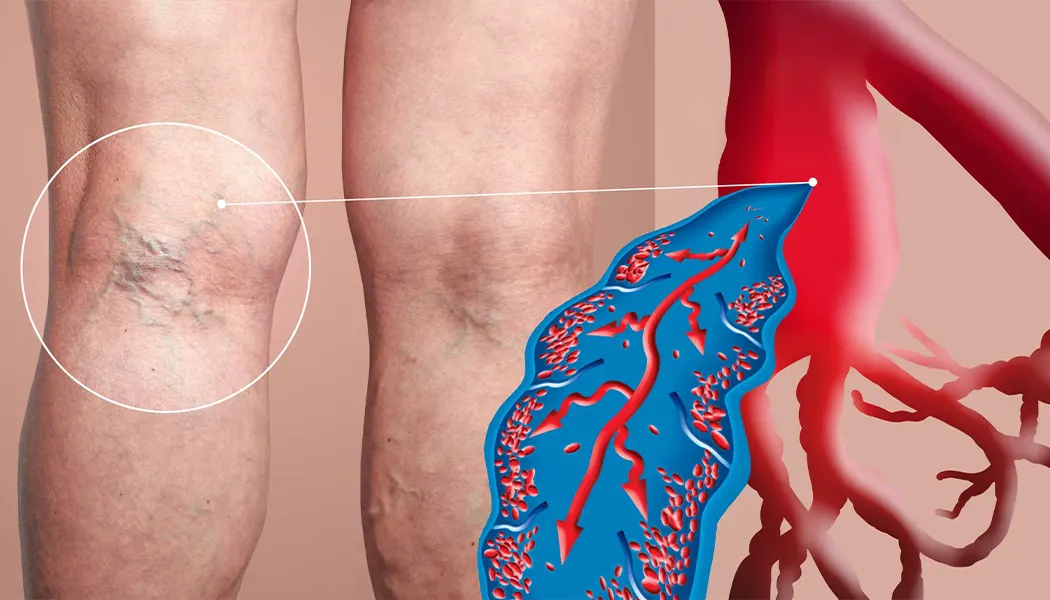
Deep Venous Thrombosis (DVT) occurs when a blood clot, also called a thrombus, forms inside one of the body’s deep veins.
DVT most commonly develops in the deep veins of the leg, including veins in the calf, thigh, or pelvis, but blood clots can also occur in other parts of the body.
Blood normally flows through the veins back towards the heart. A clot can partially or completely block this flow, leading to symptoms such as swelling and pain.
A DVT is medically important because part of the clot can sometimes break away and travel through the bloodstream to the lungs. This is known as a pulmonary embolism (PE).
A pulmonary embolism can interfere with blood flow through the lungs and may be life-threatening, which is why suspected DVT requires prompt medical assessment and treatment.
What Are The Symptoms Of Deep Venous Thrombosis?
Common Symptoms
Leg Swelling: One leg may become noticeably more swollen than the other.
Leg Pain: Pain or aching may occur, often in the calf or thigh.
Tenderness: The affected area may be painful when touched or pressed.
Warm Skin: The skin over the affected area may feel warmer than the surrounding skin.
Red or Discoloured Skin: The skin may appear red, darker, or differently coloured.
Feeling of Tightness: The leg may feel heavy, tight, or uncomfortable.
Other Possible Symptoms
Persistent Calf Discomfort: Ongoing calf pain without a clear muscular cause should be assessed.
Swelling Around the Ankle or Foot: Fluid accumulation may extend into the lower leg and foot.
Increased Vein Visibility: Surface veins may become more noticeable in some cases.
Heaviness in the Leg: The affected leg may feel unusually heavy.
Symptoms During Walking: Walking may increase discomfort, although this is not specific to DVT.
Some people with DVT have no noticeable symptoms, so symptoms alone cannot confirm or rule out the condition.
Warning Signs Of A Possible Pulmonary Embolism
Seek emergency medical care immediately if symptoms of possible DVT are accompanied by:
Sudden Shortness of Breath
Chest Pain, Particularly Pain That Worsens with Breathing
Coughing Up Blood
Sudden Dizziness, Fainting, or Collapse
Rapid or Irregular Heartbeat
These symptoms may indicate a pulmonary embolism or another serious medical condition.
What Are The Causes Of Deep Venous Thrombosis?
DVT often develops due to a combination of factors that affect blood flow, blood clotting, or the walls of blood vessels.
Prolonged Immobility: Sitting or lying still for long periods can slow blood flow in the legs.
Long-Distance Travel: Extended periods of limited movement during travel may increase risk in some people.
Recent Surgery: Surgical procedures, particularly involving the lower limbs or pelvis, can increase the risk.
Hospitalisation: Serious illness and reduced mobility can contribute to clot formation.
Major Injury: Trauma, especially to the lower limbs or pelvis, can increase risk.
Previous DVT or Pulmonary Embolism: A history of blood clots can increase the likelihood of another clot.
Cancer and Certain Medical Conditions: Some illnesses can increase the tendency of blood to clot.
Pregnancy and the Postpartum Period: Physiological changes can increase the risk of blood clots.
Certain Medications: Some medications can increase clotting risk.
Inherited Clotting Disorders: Certain genetic conditions can make blood more likely to clot.
Increasing Age: Risk generally increases with age.
Smoking: Smoking can contribute to vascular health problems and may increase clotting risk.
Higher Body Weight: Obesity is associated with an increased risk of DVT.
Not everyone with these risk factors will develop DVT, and DVT can occasionally occur without an obvious trigger.
Diagnosis Of Deep Venous Thrombosis
Medical History: A healthcare professional will ask about your symptoms, recent travel, surgery, injuries, periods of immobility, previous blood clots, medications, and other risk factors.
Physical Examination: The leg is assessed for swelling, tenderness, skin temperature, colour changes, and other signs.
Risk Assessment: Healthcare professionals may use a clinical assessment to estimate the likelihood of DVT.
D-Dimer Blood Test: This blood test may help assess the possibility of a blood clot in appropriate situations, although it cannot diagnose DVT on its own.
Duplex Ultrasound: Ultrasound is commonly used to assess blood flow and look for a clot in the deep veins.
Additional Imaging: Further imaging may be required in selected cases when a clot is suspected in areas that are difficult to assess with standard ultrasound.
Diagnosis should always be made by an appropriately qualified healthcare professional. Physiotherapy assessment alone cannot rule out DVT.
Treatment Of Deep Venous Thrombosis
DVT requires medical treatment. The treatment plan depends on the location and extent of the clot, symptoms, risk factors, and individual medical circumstances.
Anticoagulant Medication: Blood-thinning medication is commonly used to reduce the risk of the clot becoming larger and help prevent new clots.
Medical Monitoring: Follow-up may be required to monitor symptoms, treatment response, and medication safety.
Early Mobilisation: Once medically assessed and when appropriate, healthcare professionals may encourage safe movement rather than prolonged bed rest.
Compression Therapy: Compression may be recommended for selected people, depending on their symptoms and medical circumstances.
Specialist Treatment: Some extensive or severe clots may require additional specialist treatment.
Management of Underlying Risk Factors: Addressing factors that contributed to the clot can help reduce future risk.
Gradual Return to Activity: Physical activity should be progressed according to medical advice, symptoms, treatment, and overall health.
What Is The Physiotherapy Treatment Of Deep Venous Thrombosis
Physiotherapy is not a treatment for an untreated or suspected DVT. If DVT is suspected, urgent medical assessment is required before exercise, massage, or rehabilitation targeting the affected area.
After DVT has been medically diagnosed and appropriately managed, physiotherapy may support safe recovery based on guidance from the treating doctor.
Detailed Functional Assessment: At Pure Physio, we assess mobility, walking ability, muscle strength, balance, activity tolerance, and functional limitations once it is medically appropriate to begin rehabilitation.
Individualised Rehabilitation Programme: Your programme is tailored according to your medical treatment, symptoms, mobility, overall health, and guidance from your treating healthcare team.
Safe Mobility Training: Rehabilitation can help restore comfortable and confident movement following periods of illness, hospitalisation, surgery, or reduced activity.
Walking Rehabilitation: A gradual walking programme may help rebuild mobility and endurance when medically appropriate.
Gentle Lower-Limb Exercises: Carefully selected exercises can help restore normal movement and muscle function.
Ankle Mobility Exercises: Controlled ankle movements may support lower-limb mobility and muscle activity when appropriate.
Calf Muscle Strengthening: Progressive strengthening may be introduced according to medical guidance and your overall recovery.
Lower-Limb Strengthening: Exercises can gradually rebuild strength in the hips, thighs, and lower legs.
Balance Training: Targeted exercises can improve stability and confidence during standing and walking.
General Conditioning: A gradual exercise programme can help rebuild overall fitness and activity tolerance.
Activity Pacing: Guidance helps you gradually increase activity without progressing too quickly.
Post-Hospital Rehabilitation: Physiotherapy can support people recovering from periods of illness, hospitalisation, or reduced mobility.
Education: We provide guidance about safe activity progression and recognising symptoms that require medical attention.
Home Exercise Programme: A personalised programme supports continued mobility and physical conditioning between appointments.
Progress Monitoring: Your rehabilitation is reviewed and adjusted according to your medical status, symptoms, mobility, strength, exercise tolerance, and functional progress.
Why Choose Pure Physio?
Safety-Focused Assessment: Rehabilitation begins only when it is medically appropriate, with consideration of your diagnosis, treatment, and guidance from your healthcare team.
Comprehensive Functional Assessment: We assess mobility, walking ability, strength, balance, activity tolerance, and the impact of reduced activity on your daily life.
Personalised Rehabilitation Plans: Your programme is tailored according to your recovery stage, medical guidance, physical ability, lifestyle, and goals.
Safe Return to Movement: We help you gradually rebuild confidence with standing, walking, and everyday activities.
Improve Mobility: Carefully selected exercises help restore comfortable movement after periods of reduced activity.
Rebuild Lower-Limb Strength: Progressive exercises support strength in the legs and overall physical function.
Improve Walking Ability: Structured rehabilitation can help rebuild walking confidence, endurance, and movement efficiency.
Balance and Stability Training: Targeted exercises help improve safety and confidence during movement.
Gradual Activity Progression: Your exercise programme is progressed according to your medical status, symptoms, and functional recovery.
Support After Hospitalisation or Illness: Physiotherapy can help address weakness and reduced fitness following medical treatment or reduced mobility.
Home Exercise Guidance: You receive a personalised programme to support safe and consistent progress outside your appointments.
Regular Progress Monitoring: Your rehabilitation is reviewed and adapted according to changes in mobility, strength, exercise tolerance, symptoms, and functional ability.
Integrated Care Approach: We work alongside doctors, vascular specialists, and other healthcare professionals when required.
Focused on Safe Long-Term Recovery: Our goal is to help you safely restore mobility, rebuild strength, improve physical confidence, and return to an active and independent lifestyle following appropriate medical management.
Start Your Recovery Journey Today
Don’t let pain, stiffness, or reduced mobility affect your daily life. Get personalised physiotherapy care designed around your condition and recovery goals.