
Cuboid Syndrome
Get a personalised assessment at Pure Physio to identify the cause, restore comfortable movement, and return to your daily activities with confidence.
Contents
Take the First Step Towards Better Movement
Our experienced physiotherapists are here to help you improve mobility, regain strength, and move with greater comfort and confidence.
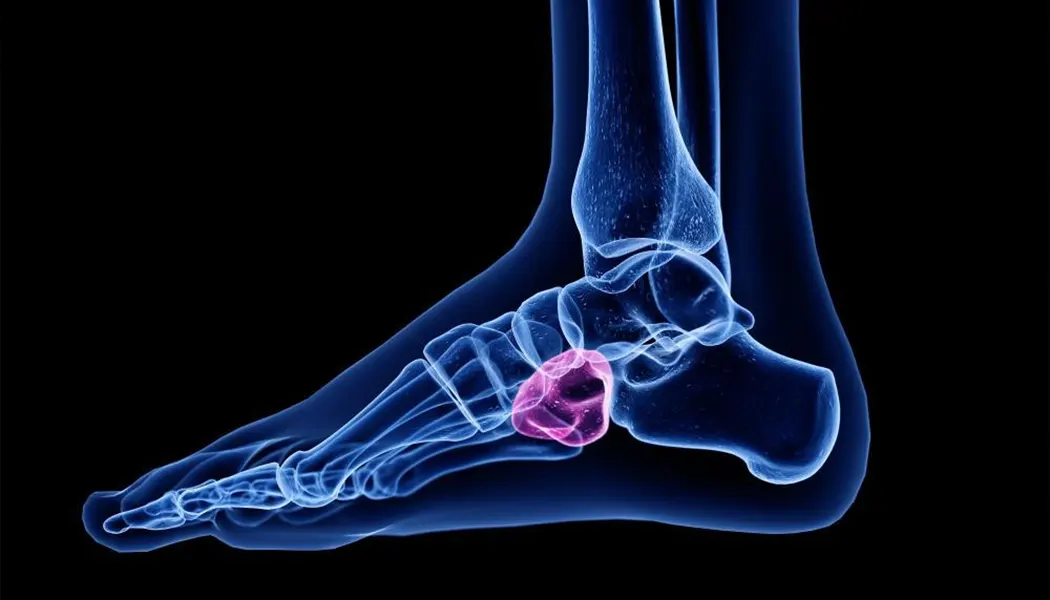
What is Cuboid Syndrome?
The cuboid is a small cube-shaped bone located on the outer side of the midfoot. It forms joints with several nearby bones and plays an important role in the movement and stability of the foot.
The cuboid is closely associated with the:
Calcaneus: The heel bone.
Fourth and Fifth Metatarsals: The long bones leading toward the outer toes.
Lateral Cuneiform: A bone located toward the middle of the foot.
The peroneus longus tendon also passes through a groove beneath the cuboid, making this region important for foot movement and stability.
Cuboid Syndrome is a clinical term often used when pain develops around the cuboid region and is thought to be associated with altered movement, joint irritation, or dysfunction involving the cuboid and surrounding structures.
It can occur suddenly after an injury, such as an ankle sprain, or gradually due to repeated loading. Running, jumping, dancing, and other activities that place repeated stress on the foot may contribute to symptoms.
Cuboid syndrome can sometimes be difficult to diagnose because its symptoms may be similar to those of other foot and ankle conditions. A careful assessment is important to rule out fractures, tendon injuries, ligament injuries, stress injuries, and other causes of outer-foot pain.
What Are The Symptoms Of Cuboid Syndrome?
Pain on the Outer Side of the Foot: Discomfort is commonly felt around the lateral or outer midfoot.
Pain Near the Cuboid Bone: Tenderness may be present directly over or around the cuboid region.
Pain During Walking: Weight-bearing and pushing off the foot may increase discomfort.
Pain During Running: Running or other repetitive impact activities may aggravate symptoms.
Pain During Jumping: Jumping and landing may place additional stress on the affected area.
Difficulty Bearing Weight: More significant symptoms may make it uncomfortable to place full weight through the foot.
Pain During Push-Off: Discomfort may be noticeable when pushing the foot off the ground while walking or running.
Tenderness to Touch: Pressure over the outer midfoot may reproduce symptoms.
Foot Stiffness: The foot may feel stiff or restricted during movement.
Pain After an Ankle Sprain: Symptoms may develop following a twisting injury, particularly when the outer foot and ankle have been affected.
Reduced Sports Performance: Pain may affect running speed, jumping, agility, and other sporting movements.
Altered Walking Pattern: Some individuals may limp or change how they walk to avoid pain.
What Are The Causes Of Cuboid Syndrome?
Ankle Sprain: Cuboid-related symptoms can develop following a twisting ankle injury.
Sudden Foot Trauma: A direct injury or sudden force through the foot may irritate the cuboid region.
Repeated Running: Repetitive loading during running may contribute to irritation in susceptible individuals.
Jumping and Landing Activities: Sports or activities involving repeated jumping may increase stress through the midfoot.
Overuse: A sudden increase in walking, running, training volume, or physical activity may exceed the current capacity of the foot.
Altered Foot Mechanics: Individual differences in foot movement and loading may influence stress around the cuboid region.
Peroneal Muscle and Tendon Factors: The peroneus longus tendon passes beneath the cuboid and may influence forces around the area.
Poor Footwear Support: Unsuitable or worn-out footwear may contribute to increased discomfort during repeated loading in some individuals.
Previous Foot or Ankle Injury: Previous injuries may alter movement patterns and increase the likelihood of recurrent symptoms.
Muscle Weakness: Reduced strength or control around the foot, ankle, and lower leg may affect how forces are managed during activity.
Rapid Return to Sport: Returning to high-impact activity before adequate recovery may increase the risk of persistent or recurrent symptoms.
Diagnosis Of Cuboid Syndrome
Medical History: A healthcare professional will ask when the pain began, whether there was a recent injury, changes in activity level, sports participation, previous ankle sprains, and factors that aggravate symptoms.
Physical Examination: The foot and ankle are assessed for tenderness, swelling, movement, strength, and functional limitations.
Palpation: Gentle examination around the cuboid and outer midfoot may help identify areas of tenderness.
Foot and Ankle Movement Assessment: Range of motion and movement quality are assessed to identify relevant restrictions or painful movements.
Gait Assessment: Walking and, where appropriate, running patterns may be assessed.
Functional Testing: Activities such as standing on one leg, calf raises, squatting, hopping, or sport-specific movements may be assessed when appropriate.
Strength Assessment: Muscles of the foot, ankle, and lower leg may be assessed for weakness or reduced control.
X-Ray: An X-ray may be recommended to rule out a fracture or other bony abnormalities.
MRI: MRI may be considered when a stress injury, tendon injury, ligament injury, or another soft tissue condition is suspected.
Ultrasound: Ultrasound may be useful in selected cases to assess nearby tendons and soft tissues.
Assessment for Other Conditions: Because outer-foot pain can have several causes, a healthcare professional may assess for stress fractures, peroneal tendon problems, ligament injuries, arthritis, and other foot or ankle conditions.
Treatment Of Cuboid Syndrome
Activity Modification: Temporarily reducing or modifying activities that significantly aggravate pain may help support recovery.
Physiotherapy: A personalised rehabilitation programme may help suitable patients restore movement, improve strength, balance, and functional capacity.
Manual Therapy: Where clinically appropriate, hands-on techniques may be used to address relevant joint movement restrictions or soft tissue problems.
Foot and Ankle Mobility Exercises: Carefully selected exercises may help improve comfortable movement.
Strengthening Exercises: Progressive strengthening may target the muscles supporting the foot, ankle, and lower leg.
Balance and Proprioception Training: Exercises may help improve body awareness, ankle stability, and control during movement.
Cold Therapy: Cold therapy may provide temporary relief from pain following activity or during periods of increased symptoms.
Footwear Advice: Appropriate footwear guidance may help improve comfort and support during walking or exercise.
Taping or Support: In selected cases, taping or other support techniques may be used to assist movement and symptom management.
Gradual Return to Activity: Walking, running, jumping, and sports activities are progressively reintroduced according to symptoms and functional recovery.
What Is The Physiotherapy Treatment Of Cuboid Syndrome
Detailed Physiotherapy Assessment: At Pure Physio, treatment begins with assessing your pain, foot and ankle movement, previous injuries, walking pattern, muscle strength, balance, activity demands, and individual goals.
Pain and Load Management: Your physiotherapist may identify activities currently exceeding the foot’s tolerance and help modify them while maintaining appropriate activity.
Foot and Ankle Mobility Exercises: Carefully selected exercises may help restore comfortable movement in the foot and ankle.
Manual Therapy: Where clinically appropriate, hands-on techniques may be used to address relevant joint or soft tissue restrictions around the foot and ankle.
Calf and Lower-Leg Strengthening: Exercises may help improve the strength and endurance of muscles that support walking and physical activity.
Peroneal Muscle Strengthening: Where appropriate, rehabilitation may target the muscles along the outer lower leg that contribute to ankle and foot control.
Intrinsic Foot Muscle Training: Exercises may help improve the strength and control of the smaller muscles within the foot.
Balance and Proprioception Training: Carefully progressed exercises may improve stability and confidence during standing, walking, and dynamic activities.
Gait Retraining: Where relevant, treatment may address walking patterns that contribute to pain or reduced movement efficiency.
Running and Landing Rehabilitation: Active individuals may receive progressive training to improve lower-limb control during running, jumping, and landing.
Taping or Supportive Techniques: Where appropriate, taping may be used as a temporary part of a broader rehabilitation programme.
Gradual Return to Sport: Sports activities are progressively reintroduced according to pain levels, strength, balance, movement quality, and individual demands.
Home Exercise Programme: A personalised programme may be provided to support ongoing mobility, strengthening, balance, and recovery between sessions.
Why Choose Pure Physio?
Detailed Foot and Ankle Assessment: We assess your pain, movement, strength, balance, walking pattern, activity demands, and potential contributing factors.
Personalised Treatment Plans: Every case of outer-foot pain is different. Your rehabilitation programme is tailored according to your symptoms, physical findings, lifestyle, and goals.
Focus on Accurate Assessment: Because cuboid-region pain can have several possible causes, we assess the foot and ankle carefully and recommend further medical investigation when required.
Exercise-Based Rehabilitation: Our approach uses individually selected mobility, strengthening, balance, and functional exercises to help suitable patients improve physical capacity.
Hands-On Treatment When Appropriate: Manual therapy and supportive techniques may be included when clinically suitable as part of a comprehensive rehabilitation programme.
Focus on Functional Recovery: Treatment is progressed towards meaningful goals such as comfortable walking, running, exercising, working, and participating in sports.
Practical Self-Management Guidance: We provide advice on activity progression, footwear considerations, exercise, and reducing factors that may repeatedly aggravate symptoms.
Integrated Care Approach: Where imaging, orthopaedic assessment, or other medical care is required, physiotherapy can form part of a coordinated treatment plan focused on safe and appropriate recovery.
Start Your Recovery Journey Today
Don’t let pain, stiffness, or reduced mobility affect your daily life. Get personalised physiotherapy care designed around your condition and recovery goals.