Congenital Talipes Equinovarus
Give your child the right support for healthier movement—early assessment and personalised rehabilitation can help support mobility and physical development.
Contents
Take the First Step Towards Better Movement
Our experienced physiotherapists are here to help you improve mobility, regain strength, and move with greater comfort and confidence.
What is Congenital Talipes Equinovarus?
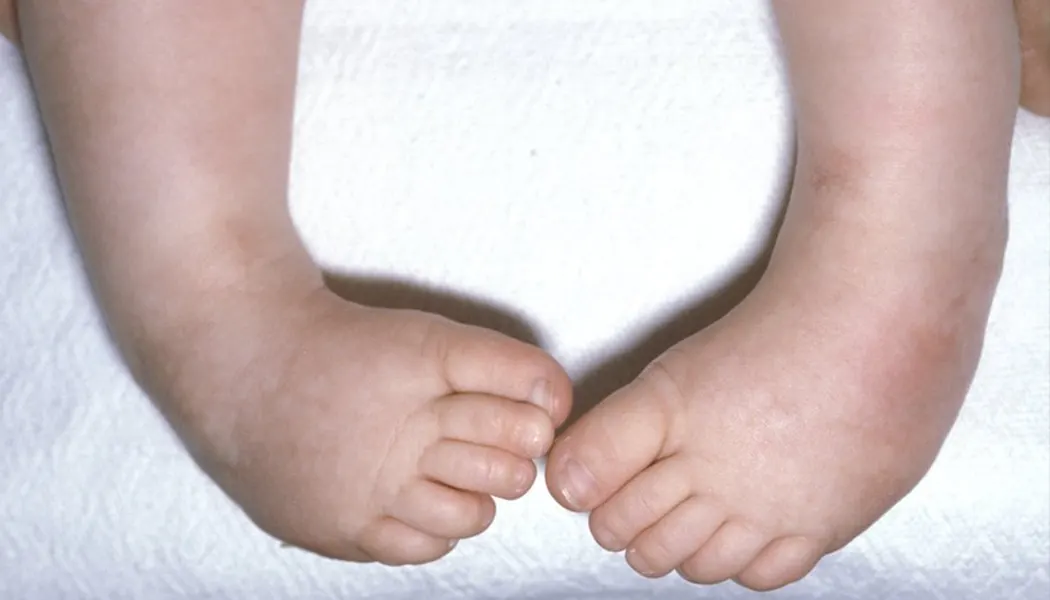
Congenital Talipes Equinovarus (CTEV) is a congenital musculoskeletal condition, meaning it is present at birth. It is commonly called clubfoot.
In CTEV, the foot is typically positioned in a combination of:
Cavus: The arch of the foot may be higher than normal.
Adductus: The front part of the foot turns inward.
Varus: The heel turns inward.
Equinus: The foot points downward at the ankle.
These positions can make the foot appear turned inward and downward. CTEV can affect one foot or both feet and may vary in severity. It can occur as an isolated condition or, in some cases, alongside other medical or developmental conditions.
Without appropriate treatment, the foot may remain in an abnormal position and affect the child’s ability to stand and walk normally. Early treatment is therefore important. One commonly used treatment approach is the Ponseti method, which generally involves gentle manipulation and serial casting, followed by bracing. Some children may require additional procedures depending on their individual condition.
Physiotherapy may play an important role in supporting movement and functional development during and after medical treatment. The rehabilitation approach is personalised according to the child’s age, treatment stage, mobility, muscle strength, and developmental needs.
What Are The Symptoms Of Congenital Talipes Equinovarus?
Foot Turned Inward: The front part of the foot may point towards the opposite leg.
Foot Pointing Downward: The ankle may remain in a downward-pointing position, making normal upward ankle movement difficult.
Heel Turned Inward: The heel may be positioned inward rather than aligned normally.
Abnormal Foot Appearance: The foot may appear smaller, twisted, or unusually shaped compared with the unaffected foot.
Limited Foot and Ankle Movement: The child may have reduced ability to move the foot and ankle through a normal range.
Tight Muscles and Tendons: Muscles and tendons around the foot and ankle, particularly the Achilles tendon, may be shortened or tight.
Smaller Calf Muscles: The calf on the affected side may appear smaller than the unaffected side.
Difficulty with Weight-Bearing: As the child begins standing and walking, untreated or incompletely corrected CTEV may affect how weight is placed through the foot.
Altered Walking Pattern: Without appropriate treatment, the condition may lead to an abnormal gait or difficulty walking.
What Are The Causes Of Congenital Talipes Equinovarus?
The exact cause of Congenital Talipes Equinovarus is not fully understood. It is generally believed to develop due to a combination of genetic and environmental factors affecting foot and lower-limb development during pregnancy.
Genetic Factors: A family history of clubfoot may increase the likelihood of the condition in some children.
Foetal Development Factors: Changes in how the bones, muscles, tendons, and joints develop during pregnancy may contribute to the characteristic foot position.
Neuromuscular Factors: In some cases, clubfoot may occur alongside certain neurological or neuromuscular conditions.
Environmental Factors: Certain factors during pregnancy have been associated with an increased risk of clubfoot, although the condition usually cannot be linked to one single cause.
Associated Developmental Conditions: Some children may have clubfoot in association with other congenital or developmental conditions.
It is important to understand that, in many cases, there is no single identifiable cause, and parents should discuss individual concerns with their child’s healthcare professional.
Diagnosis Of Congenital Talipes Equinovarus
Prenatal Ultrasound: In some cases, CTEV may be suspected during pregnancy through an ultrasound examination.
Physical Examination at Birth: Clubfoot is commonly diagnosed after birth based on the characteristic position and appearance of the foot.
Assessment of Foot Position: A specialist assesses the position of the foot, heel, ankle, and toes and evaluates how flexible or rigid the deformity is.
Range of Motion Assessment: The healthcare professional may assess how far the foot and ankle can be gently moved towards a corrected position.
Assessment of Both Feet: Both lower limbs are examined, as CTEV can affect one or both feet.
Neurological and Musculoskeletal Examination: A complete assessment may be performed to check for other conditions that could be associated with the foot deformity.
Imaging: X-rays or other imaging tests are not always necessary in newborns but may be considered in selected cases.
Ongoing Monitoring: The child’s foot position, mobility, muscle development, and response to treatment are monitored throughout growth and development.
Treatment Of Congenital Talipes Equinovarus
Early Orthopaedic Assessment: Early evaluation by a qualified paediatric orthopaedic specialist is important to develop an appropriate treatment plan.
Ponseti Method: The Ponseti method is a widely used treatment approach that involves gentle manipulation of the foot followed by serial casts to gradually improve alignment.
Serial Casting: The foot is gradually repositioned, and casts are changed regularly to progressively correct the different components of the deformity.
Achilles Tendon Procedure: Some children may require a minor procedure to lengthen the Achilles tendon when clinically necessary as part of the correction process.
Bracing: After correction, a brace may be used to help maintain the improved foot position and reduce the risk of recurrence.
Physiotherapy and Rehabilitation: Physiotherapy may support appropriate mobility, muscle development, movement, and functional skills as the child grows.
Monitoring for Recurrence: Clubfoot can recur, particularly during growth. Regular follow-up and adherence to the recommended bracing and treatment plan are important.
Surgical Treatment: More extensive surgery may be considered in selected cases where the deformity cannot be adequately corrected through conservative treatment or when significant recurrence occurs.
What Is The Physiotherapy Treatment Of Congenital Talipes Equinovarus
Detailed Functional Assessment: At Pure Physio, rehabilitation begins with assessing the child’s current treatment stage, foot and ankle mobility, muscle strength, movement, developmental milestones, standing and walking ability where age-appropriate, and individual functional needs.
Supporting Medical Treatment: Physiotherapy works alongside the treatment plan recommended by the child’s paediatric orthopaedic specialist and is adapted according to casting, bracing, or post-procedure requirements.
Gentle Mobility Exercises: Where medically appropriate, carefully guided movements may help maintain or improve available mobility of the foot and ankle.
Stretching as Prescribed: Parents may be guided on appropriate movements or stretches when recommended by the child’s treating specialist and physiotherapist.
Muscle Strengthening Through Play: Age-appropriate activities may be used to encourage movement and strengthen muscles of the feet, ankles, legs, and hips.
Balance and Coordination Training: As the child develops, suitable activities may help improve balance, coordination, body awareness, and lower-limb control.
Standing and Walking Rehabilitation: For children who are ready to stand or walk, therapy may focus on developing appropriate weight-bearing, balance, gait, and functional mobility.
Gait Training: If the child has an altered walking pattern, physiotherapy may address relevant movement and strength factors as part of their rehabilitation.
Developmental Support: Treatment considers age-appropriate milestones such as rolling, sitting, crawling, standing, and walking.
Parent and Caregiver Guidance: Parents may receive practical guidance regarding home activities, recommended exercises, positioning, and adherence to the child’s overall treatment plan.
Ongoing Progress Monitoring: The rehabilitation programme is reviewed and adjusted as the child grows and develops new movement and functional abilities.
Why Choose Pure Physio?
Child-Focused Care: Every child develops differently. Our rehabilitation programmes are designed according to the child’s age, physical abilities, treatment stage, and developmental needs.
Personalised Rehabilitation: We tailor physiotherapy to support mobility, muscle development, balance, coordination, standing, walking, and other important functional skills.
Support Alongside Specialist Care: Physiotherapy is provided as part of the child’s broader treatment journey and follows appropriate medical and orthopaedic guidance.
Age-Appropriate Therapy: Exercises and activities are adapted to be suitable, engaging, and relevant to the child’s stage of development.
Focus on Functional Movement: Our approach supports important everyday developmental activities, including movement, play, standing, walking, and physical independence.
Parent and Caregiver Education: We help parents understand appropriate home activities and ways to support their child’s physical development while following medical recommendations.
Long-Term Development Support: As the child grows, rehabilitation needs can change. We provide ongoing physiotherapy support focused on mobility, movement quality, strength, balance, and functional development.
Start Your Recovery Journey Today
Don’t let pain, stiffness, or reduced mobility affect your daily life. Get personalised physiotherapy care designed around your condition and recovery goals.