Concussion
Support a safe recovery, restore balance and confidence, and gradually return to daily activities with personalised concussion rehabilitation.
Contents
Take the First Step Towards Better Movement
Our experienced physiotherapists are here to help you improve mobility, regain strength, and move with greater comfort and confidence.
What is Concussion?
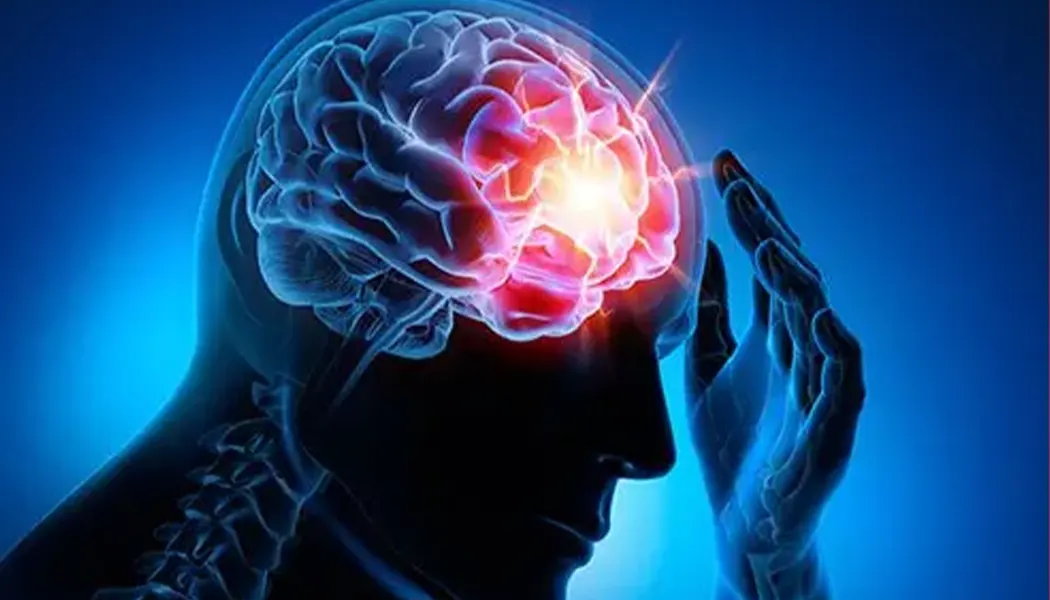
A Concussion is a type of mild traumatic brain injury (mTBI) caused by a direct or indirect force to the head or body. The injury can occur after a blow to the head, but it can also happen when a sudden impact causes the head and brain to move rapidly back and forth. This movement can temporarily affect how the brain functions, leading to a range of physical, cognitive, emotional, and sleep-related symptoms. A concussion may occur with or without loss of consciousness, and a person may initially feel well before symptoms become more noticeable. Most people recover with appropriate assessment and a gradual return to normal activities, although recovery time varies. Repeated concussions or returning to high-risk activity before recovery may increase the risk of further injury, which is why appropriate medical guidance is important.
What Are The Symptoms Of Concussion?
Symptoms can vary significantly between individuals.
Physical Symptoms
Headache: One of the most common symptoms following a concussion.
Dizziness: A person may feel light-headed, unsteady, or as though the surroundings are moving.
Balance Problems: Standing or walking may feel less stable.
Nausea: Feeling sick or experiencing an upset stomach may occur.
Vomiting: Some people may vomit following a head injury.
Sensitivity to Light: Bright lights may worsen symptoms.
Sensitivity to Noise: Loud sounds may feel uncomfortable or aggravate symptoms.
Blurred Vision: Vision may become unclear or difficult to focus.
Double Vision: Some individuals may see two images instead of one.
Visual Fatigue: Reading, using screens, or focusing for long periods may worsen symptoms.
Fatigue: Feeling unusually tired or having reduced energy is common.
Thinking And Memory Symptoms
Difficulty Concentrating: It may become difficult to focus on tasks, conversations, reading, or work.
Memory Problems: Difficulty remembering recent events or new information may occur.
Feeling Slowed Down: Thinking or responding may feel slower than usual.
Mental Fog: A person may feel unclear, disconnected, or unable to think normally.
Difficulty Finding Words: Some people may struggle to express themselves clearly.
Emotional Symptoms
Irritability: A person may become more easily frustrated.
Mood Changes: Sadness, anxiety, or unusual emotional responses may occur.
Increased Sensitivity: Normal situations may feel more emotionally overwhelming.
Sleep Symptoms
Sleeping More Than Usual: Increased sleep may occur during recovery.
Sleeping Less Than Usual: Some people may experience difficulty sleeping.
Difficulty Falling Asleep: Sleep patterns may change after a concussion.
Symptoms may change throughout recovery and can worsen with excessive physical or mental activity.
What Are The Causes Of Concussion?
A concussion can occur when an external force causes rapid movement of the brain within the skull.
Sports Injuries: Contact or collision sports can involve impacts to the head or body.
Falls: Falling and striking the head can cause a concussion.
Road Traffic Accidents: Sudden impacts or rapid acceleration and deceleration can cause head injuries.
Physical Assault: A blow or impact to the head or body can cause concussion.
Workplace Accidents: Falls or impacts involving the head can occur at work.
Recreational Injuries: Cycling, skating, skiing, and other activities can involve falls or collisions.
Whiplash-Type Forces: Sudden forceful movement of the head and neck can sometimes cause concussion even without a direct blow to the head.
Object Strikes: Being hit on the head by an object can cause a concussion.
Loss of consciousness is not required for a concussion to occur.
Diagnosis Of Concussion
Medical History: A healthcare professional will ask how the injury occurred and what symptoms developed afterwards.
Symptom Assessment: Physical, cognitive, emotional, and sleep-related symptoms are reviewed.
Neurological Examination: Strength, sensation, coordination, reflexes, eye movements, and other neurological functions may be assessed.
Memory and Cognitive Assessment: Attention, memory, concentration, and thinking may be evaluated.
Balance Assessment: Standing and movement control may be assessed.
Eye and Vision Assessment: Eye movements, visual tracking, and focusing may be evaluated.
Vestibular Assessment: Dizziness and balance symptoms may be assessed.
Neck Assessment: The cervical spine may be assessed because neck injuries can contribute to headaches and dizziness.
CT Scan: A CT scan may be required when there is concern about bleeding, skull fracture, or another serious brain injury.
MRI: MRI may be considered in selected cases but is not routinely required for every concussion.
There is no single test that confirms every concussion. Diagnosis is based on the injury, symptoms, and an appropriate clinical assessment.
Treatment Of Concussion
Concussion management should begin with an appropriate medical assessment.
Relative Rest: A short period of reduced physical and mental activity may be recommended immediately after injury.
Gradual Return to Activity: Activities are gradually increased according to symptoms and medical guidance.
Return to Learn: School, study, and other cognitive activities may need to be gradually reintroduced.
Return to Work: Work activities may be modified temporarily depending on symptoms and job demands.
Return to Sport Protocol: Athletes should follow an appropriate step-by-step return-to-sport process and should not return to contact or high-risk sport until medically cleared.
Symptom Management: Headache, sleep problems, nausea, and other symptoms may require appropriate medical management.
Hydration and Nutrition: Maintaining regular food and fluid intake supports general recovery.
Sleep Management: Maintaining a regular sleep routine can support recovery.
Screen and Cognitive Load Management: Reading, screen use, and mentally demanding activities may need to be adjusted according to symptom tolerance.
Vestibular Rehabilitation: Specific rehabilitation may help selected individuals with persistent dizziness or balance difficulties.
Physiotherapy: Rehabilitation may address neck-related symptoms, balance, movement, and graded exercise tolerance when appropriate.
Specialist Referral: Persistent, complex, or worsening symptoms may require assessment by a neurologist, concussion specialist, or other healthcare professional.
Recovery varies, and persistent symptoms should be individually assessed rather than managed with a one-size-fits-all approach.
What Is The Physiotherapy Treatment Of Concussion
Physiotherapy is provided following appropriate medical assessment and is based on the individual’s symptoms and stage of recovery.
Detailed Assessment: At Pure Physio, we assess balance, dizziness, neck movement, headaches, mobility, exercise tolerance, and functional limitations relevant to physiotherapy.
Balance Training: Carefully selected exercises help improve stability and confidence during standing and walking.
Vestibular Rehabilitation: Specific exercises may be used when dizziness and vestibular problems are appropriately identified.
Gaze Stability Exercises: Selected eye and head movement exercises may help improve tolerance to movement where clinically appropriate.
Visual-Motor Training: Rehabilitation may address coordination between visual information and body movement when appropriate.
Neck Mobility Exercises: Gentle exercises may help restore comfortable cervical movement following associated neck injury.
Cervical Strengthening: Appropriate exercises can improve the strength and endurance of the neck muscles.
Headache-Related Neck Rehabilitation: When a cervical component contributes to symptoms, physiotherapy may address relevant movement and muscle factors.
Graded Aerobic Exercise: Carefully monitored physical activity may be gradually introduced according to symptoms and professional guidance.
Movement Re-Education: Therapy helps restore confidence and control during everyday movements.
Functional Rehabilitation: Activities are progressed towards the demands of home, school, work, and daily life.
Return-to-Activity Guidance: We support gradual progression of physical activity according to symptoms and appropriate medical recommendations.
Return-to-Sport Support: Rehabilitation can help athletes progress through appropriate stages of recovery alongside medical clearance requirements.
Education and Self-Management: We provide guidance on pacing, activity progression, symptom monitoring, and avoiding unnecessary overexertion.
Home Exercise Programme: A personalised programme supports appropriate rehabilitation between sessions.
Progress Monitoring: Your rehabilitation plan is regularly reviewed and adjusted according to symptoms, physical function, and recovery.
Why Choose Pure Physio?
Detailed Physiotherapy Assessment: We assess balance, dizziness, neck symptoms, movement, exercise tolerance, and functional difficulties.
Individualised Rehabilitation: Your programme is adapted according to your symptoms, physical ability, daily demands, and stage of recovery.
Safety-Focused Approach: Rehabilitation is provided within appropriate medical guidance and referral pathways.
Balance and Vestibular Support: Selected treatment can address persistent dizziness and balance difficulties when appropriate.
Neck Rehabilitation: We assess and manage cervical movement and muscle factors that may contribute to symptoms.
Gradual Activity Progression: Physical activity is carefully progressed according to your symptoms and recovery.
Functional Recovery Focus: Treatment targets a safe return to everyday activities, work, education, exercise, and sport.
Support for Active Individuals: Rehabilitation can be adapted to the physical demands of athletes and active individuals.
Return-to-Sport Guidance: We support appropriate rehabilitation progression while respecting medical clearance requirements.
Education and Self-Management: We provide practical guidance on pacing, activity, and symptom management.
Regular Progress Monitoring: Your programme is reviewed and adjusted throughout your recovery.
Integrated Care Approach: When medical assessment, neurological review, vision care, or specialist concussion management is required, we support rehabilitation as part of a coordinated care plan.
Focused on Safe Recovery: Our goal is to help you safely restore movement, balance, physical confidence, and activity tolerance while supporting a gradual return to the activities that matter to you.
Start Your Recovery Journey Today
Don’t let pain, stiffness, or reduced mobility affect your daily life. Get personalised physiotherapy care designed around your condition and recovery goals.