Complex Regional Pain Syndrome
Get a personalised assessment and rehabilitation plan to help improve movement, function, and confidence in daily life.
Contents
Take the First Step Towards Better Movement
Our experienced physiotherapists are here to help you improve mobility, regain strength, and move with greater comfort and confidence.
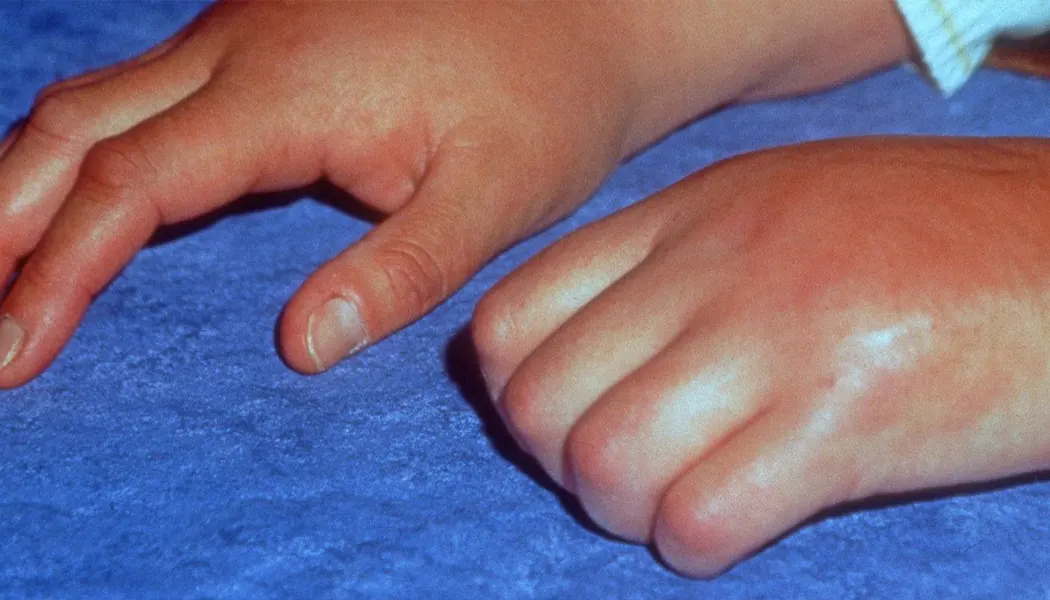
What is Complex Regional Pain Syndrome?
Complex Regional Pain Syndrome, commonly known as CRPS, is a condition involving persistent pain and changes affecting a limb, usually after an injury or medical event.
The condition may involve changes in the way the nervous system processes pain and sensory information, along with changes affecting circulation, sweating, movement, and tissues in the affected area.
CRPS most commonly affects the:
Hand
Wrist
Arm
Foot
Ankle
Leg
The pain may be described as:
Burning
Sharp
Stabbing
Throbbing
Aching
Electric-Like
One of the main features is that the severity or duration of pain may appear disproportionate to the original injury.
There are two commonly recognised types:
CRPS Type 1
Previously called Reflex Sympathetic Dystrophy (RSD), this occurs without confirmed evidence of a specific major nerve injury.
CRPS Type 2
Previously called Causalgia, this occurs following a confirmed injury to a specific nerve.
Symptoms can change over time, and not everyone experiences the same combination or severity of symptoms. CRPS is a complex condition, and diagnosis is based on clinical assessment and established diagnostic criteria while excluding other possible causes.
What Are The Symptoms Of Complex Regional Pain Syndrome?
Persistent Pain: Pain continues beyond the expected healing period of the original injury.
Burning Pain: The affected area may feel as though it is burning.
Severe Sensitivity: Even light touch, clothing, or gentle contact may cause significant discomfort.
Allodynia: A normally non-painful stimulus, such as light touch, may be experienced as painful.
Hyperalgesia: A normally painful stimulus may feel much more painful than expected.
Swelling: The affected limb or area may appear swollen.
Changes in Skin Temperature: The skin may feel warmer or colder than the opposite side.
Changes in Skin Colour: The skin may appear red, blue, pale, purple, or blotchy.
Sweating Changes: The affected area may sweat more or less than usual.
Skin Texture Changes: The skin may become shiny, thin, or develop other texture changes.
Hair Changes: Hair growth may increase or decrease in the affected area.
Nail Changes: Nails may grow differently or become brittle.
Stiffness: Joints may become difficult or painful to move.
Reduced Range of Motion: Movement of the affected limb may become limited.
Muscle Weakness: Reduced use, pain, and changes in muscle control may contribute to weakness.
Tremors or Shaking: Some individuals may experience involuntary shaking.
Muscle Spasms: Muscles may tighten or contract involuntarily.
Difficulty Using the Limb: Pain and movement problems may make everyday activities difficult.
Changes in Movement Patterns: A person may avoid or protect the affected limb, which can further reduce normal movement and function.
What Are The Causes Of Complex Regional Pain Syndrome?
The exact reason why CRPS develops in some individuals is not fully understood. It is thought to involve abnormal interactions between the nervous system, immune processes, and tissues of the affected limb.
CRPS often develops after:
Fractures: A broken bone can trigger symptoms.
Sprains and Soft Tissue Injuries: Injuries involving ligaments, muscles, or other soft tissues may precede CRPS.
Surgery: Symptoms can develop following certain surgical procedures.
Nerve Injury: A confirmed nerve injury is associated with CRPS Type 2.
Immobilisation: Prolonged reduced movement after injury may be associated with the development or persistence of symptoms.
Trauma: A fall, accident, crush injury, or other physical trauma may trigger the condition.
Stroke or Other Neurological Events: In some cases, CRPS may develop following certain neurological injuries.
Inflammatory and Nervous System Changes: Abnormal pain processing and inflammatory responses may contribute to symptoms.
It is important to note that the severity of the original injury does not necessarily predict who will develop CRPS.
Diagnosis Of Complex Regional Pain Syndrome
There is no single test that confirms CRPS in every case. Diagnosis is primarily based on a detailed clinical assessment.
Medical History: A healthcare professional will ask about the original injury or event, onset of symptoms, pain characteristics, changes in colour or temperature, swelling, sensitivity, and changes in function.
Physical Examination: The affected area may be assessed for sensory changes, swelling, skin colour, temperature differences, sweating changes, movement, strength, and tissue changes.
Pain Assessment: The location, severity, behaviour, and triggers of pain are evaluated.
Sensory Testing: The response to light touch, pressure, temperature, and other sensations may be assessed.
Range of Motion Assessment: Joint movement and limitations are evaluated.
Strength and Functional Assessment: Muscle function and the ability to perform everyday activities may be assessed.
Comparison with the Opposite Limb: Temperature, colour, swelling, and other physical changes may be compared with the unaffected side.
Diagnostic Criteria: Healthcare professionals may use recognised clinical criteria, such as the Budapest Criteria, when assessing CRPS.
X-Ray: Imaging may be used to investigate bone or joint changes and rule out other conditions.
MRI: MRI may be used when another injury or medical condition needs to be investigated.
Bone Scan: A specialist may consider a bone scan in selected situations.
Other Tests: Blood tests or other investigations may be used to rule out infection, inflammatory disease, vascular problems, or other causes of symptoms.
Treatment Of Complex Regional Pain Syndrome
Treatment is usually most effective when it involves a multidisciplinary approach tailored to the individual’s symptoms and needs.
Early Assessment and Treatment: Early recognition and appropriate management may help prevent unnecessary loss of movement and function.
Pain Management: A pain specialist or doctor may recommend appropriate medications and other strategies to manage pain.
Physiotherapy: Carefully graded rehabilitation may help improve movement, strength, function, and confidence in using the affected limb.
Occupational Therapy: Occupational therapy can help improve independence with daily activities and provide practical strategies or adaptive equipment.
Desensitisation Therapy: Gradual exposure to different textures and sensations may help improve tolerance to touch.
Graded Motor Imagery: Selected rehabilitation programmes may use laterality recognition, imagined movement, and mirror-based techniques where clinically appropriate.
Mirror Therapy: Mirror-based rehabilitation may be used in selected cases as part of a broader treatment programme.
Psychological Support: Chronic pain can affect mood, sleep, confidence, and daily life. Psychological support may help individuals develop effective coping strategies.
Nerve Blocks or Interventional Pain Treatment: In selected cases, a pain specialist may consider nerve blocks or other interventional treatments.
Medication: Different medicines may be used depending on the type and severity of pain and associated symptoms.
Assistive Devices: Temporary or longer-term equipment may help support safe mobility and daily function.
Lifestyle and Self-Management Strategies: Pacing, sleep management, stress management, and gradual activity progression may form part of treatment.
What Is The Physiotherapy Treatment Of Complex Regional Pain Syndrome
Detailed Physiotherapy Assessment: At Pure Physio, rehabilitation begins by assessing your pain, sensitivity, swelling, movement, strength, functional ability, activity limitations, and personal goals.
Pain-Aware Rehabilitation: Treatment is carefully planned to avoid unnecessarily aggressive approaches and is progressed according to symptoms, tolerance, and functional capacity.
Gentle Movement Exercises: Early exercises may focus on gradually restoring comfortable movement and reducing fear or avoidance of using the affected limb.
Graded Activity Exposure: Activities are gradually progressed to help build tolerance and confidence with movement and everyday tasks.
Desensitisation Techniques: Carefully graded exposure to different textures and sensations may help reduce sensitivity and improve tolerance to touch.
Range of Motion Exercises: Appropriate exercises may help maintain or restore movement in affected joints.
Strengthening Exercises: Progressive strengthening may be introduced according to the individual’s symptoms and physical capacity.
Functional Rehabilitation: Therapy focuses on meaningful activities such as walking, reaching, gripping, dressing, working, or returning to hobbies.
Graded Motor Imagery: Where clinically appropriate, rehabilitation may include techniques involving left-right discrimination, imagined movement, and graded use of the affected limb.
Mirror Therapy: Selected individuals may benefit from mirror-based rehabilitation as part of a broader physiotherapy programme.
Balance and Gait Training: If the lower limb is affected, therapy may address standing, walking, weight transfer, balance, and confidence with mobility.
Oedema Management: Where appropriate, strategies may be used to help manage swelling alongside medical guidance.
Home Exercise Programme: A personalised programme may support regular movement, gradual activity progression, and functional recovery between sessions.
Education and Self-Management: We provide guidance on pacing, activity progression, understanding pain responses, and maintaining participation in safe and meaningful activities.
Why Choose Pure Physio?
Individualised Assessment: We recognise that CRPS affects each person differently and assess your specific symptoms, sensitivity, movement limitations, functional needs, and goals.
Gentle and Graded Rehabilitation: Our approach focuses on gradually rebuilding movement and function according to your individual tolerance and capacity.
Focus on Functional Recovery: Rehabilitation is centred around meaningful goals such as walking, using the hand, working, dressing, exercising, and participating in everyday life.
Pain-Aware Physiotherapy: Treatment is planned with an understanding of persistent pain and sensory sensitivity rather than relying on unnecessarily aggressive techniques.
Personalised Exercise Progression: Mobility, strengthening, balance, and functional exercises are progressed carefully based on your response.
Support for Confidence with Movement: We help suitable patients gradually reduce fear and avoidance associated with painful movement and return to greater participation.
Practical Self-Management Strategies: Guidance on pacing, activity modification, home exercises, and gradual progression can support long-term management.
Multidisciplinary Care Approach: CRPS may require coordinated care involving physiotherapists, pain specialists, neurologists, occupational therapists, psychologists, and other healthcare professionals.
Ongoing Rehabilitation Support: Treatment can be regularly reviewed and adapted as symptoms, functional abilities, and rehabilitation goals change.
Start Your Recovery Journey Today
Don’t let pain, stiffness, or reduced mobility affect your daily life. Get personalised physiotherapy care designed around your condition and recovery goals.