Chondromalacia Patella
Reduce knee pain, improve kneecap movement, and return to comfortable daily activity with personalised physiotherapy for chondromalacia patella.
Contents
Take the First Step Towards Better Movement
Our experienced physiotherapists are here to help you improve mobility, regain strength, and move with greater comfort and confidence.
What is Chondromalacia Patella?
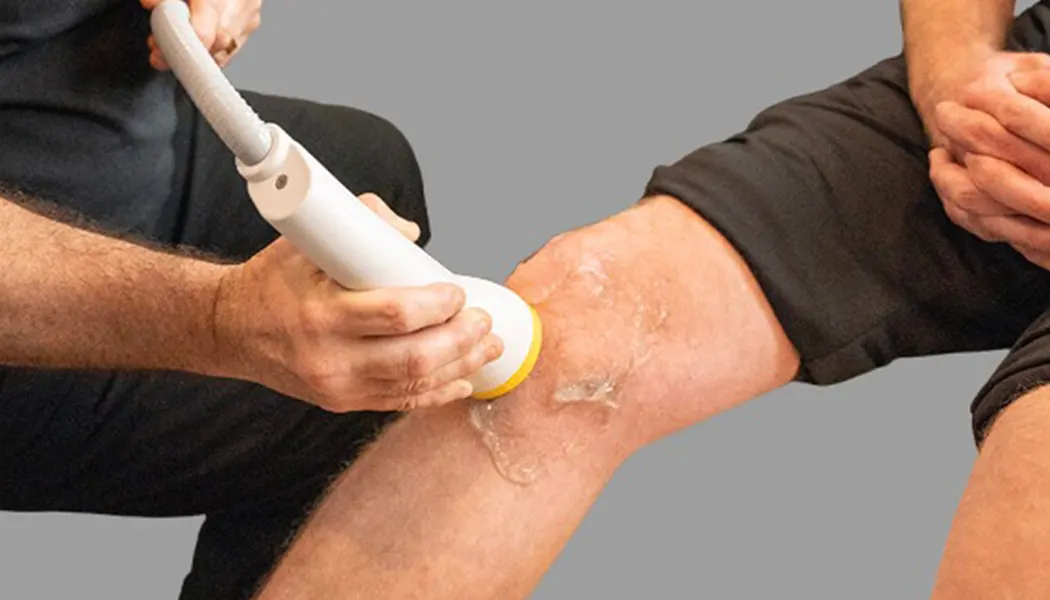
Chondromalacia Patella, also known as chondromalacia of the patella, refers to softening or damage of the cartilage on the underside of the kneecap. It can cause pain at the front of the knee, especially during activities such as climbing stairs, squatting, running, jumping, or sitting for long periods with the knee bent. It may be associated with repeated stress, previous injury, muscle weakness, altered kneecap movement, or overuse. At Pure Physio, rehabilitation focuses on improving lower-limb strength, knee control, movement patterns, flexibility, and gradually returning you to pain-free everyday and sporting activities.
Chondromalacia Patella affects the:
Patella
also known as the:
Kneecap
The underside of the kneecap is covered with smooth:
Articular Cartilage
This cartilage helps the kneecap glide smoothly within the groove of the thigh bone during knee movement.
During activities such as:
Walking
Squatting
Climbing Stairs
Running
Jumping
the kneecap moves within this groove.
Chondromalacia patella occurs when the cartilage beneath the kneecap becomes:
Softened
Irritated
Roughened
or
Damaged
This can contribute to pain around or behind the kneecap.
The condition is often associated with changes in how the kneecap moves during activity.
It may also be related to weakness or reduced control of the muscles around the:
Hip
Thigh
Knee
Chondromalacia patella is sometimes discussed alongside:
Patellofemoral Pain
However, the terms are not always interchangeable because patellofemoral pain describes a broader pattern of pain around the kneecap and does not necessarily mean that cartilage damage is present.
What Are The Symptoms Of Chondromalacia Patella?
Front of Knee Pain: Pain is commonly felt around or behind the kneecap.
Pain During Stairs: Climbing or descending stairs may increase discomfort.
Pain During Squatting: Bending the knee deeply may aggravate symptoms.
Pain When Running: Running may increase pressure through the patellofemoral joint.
Pain During Jumping: Impact activities can worsen symptoms.
Pain After Prolonged Sitting: Sitting for a long time with the knee bent may cause discomfort.
Pain When Getting Up: Standing after prolonged sitting may be uncomfortable.
Grinding Sensation: Some people may feel grinding or rubbing during knee movement.
Clicking or Popping: The knee may make sounds during movement.
Knee Stiffness: The knee may feel stiff after prolonged inactivity.
Tenderness Around the Kneecap: The area around the patella may feel sensitive.
Pain During Kneeling: Direct pressure through the front of the knee may cause discomfort.
Reduced Exercise Tolerance: Running, sports, or other physical activities may become difficult.
Muscle Weakness: The thigh muscles may become weak due to reduced activity.
Changes in Movement: A person may avoid bending the knee or change the way they walk, squat, or climb stairs.
What Are The Causes Of Chondromalacia Patella?
Chondromalacia patella can develop due to a combination of factors that increase stress on the cartilage beneath the kneecap.
Overuse: Repeated running, jumping, squatting, or other knee-loading activities can increase stress.
Sudden Increase in Activity: Rapidly increasing training intensity, distance, or exercise frequency may contribute.
Repeated Knee Bending: Activities involving frequent bending and straightening may aggravate symptoms.
Patellar Maltracking: The kneecap may not move optimally within the femoral groove during movement.
Previous Knee Injury: Trauma or a previous injury may affect cartilage or kneecap movement.
Direct Blow to the Kneecap: A fall or impact can damage the cartilage.
Patellar Instability: Repeated partial or complete kneecap dislocation can damage joint surfaces.
Muscle Weakness: Weakness in the quadriceps, hip, or pelvic muscles may affect lower-limb control.
Poor Movement Control: Reduced control during squatting, running, or landing may increase stress around the kneecap.
Muscle Tightness: Tightness around the thigh, hip, or lower leg may contribute to altered movement.
Foot and Lower-Limb Alignment: Individual anatomical and movement factors may influence how forces are distributed through the knee.
Structural Factors: The shape and alignment of the patella and femoral groove can influence patellar movement.
Repeated High-Impact Activities: Sports involving frequent jumping and landing may increase knee stress.
In many individuals, there is no single cause, and symptoms develop due to a combination of contributing factors.
Diagnosis Of Chondromalacia Patella
Medical History: A healthcare professional will ask about pain location, activity triggers, previous injuries, exercise habits, and symptoms such as clicking or grinding.
Physical Examination: The knee is assessed for movement, tenderness, swelling, strength, and stability.
Patellar Assessment: The movement and position of the kneecap may be evaluated.
Range of Motion Assessment: Knee bending and straightening are assessed.
Strength Assessment: The quadriceps, hip, and surrounding muscles may be tested.
Movement Assessment: Squatting, stepping, walking, running, or other activities may be assessed when appropriate.
Functional Assessment: Activities such as stairs, sitting, kneeling, and sports movements may be evaluated.
X-Rays: X-rays may be used to assess bone alignment and rule out other bony problems.
MRI: MRI can provide detailed images of cartilage and other structures around the knee.
Arthroscopy: In selected cases, a specialist may use arthroscopy to directly assess cartilage inside the knee.
Diagnosis is based on a combination of symptoms, physical examination, and investigations when clinically required.
Treatment Of Chondromalacia Patella
Treatment depends on the severity of symptoms, cartilage involvement, activity level, and individual needs.
Activity Modification: Temporarily reducing activities that significantly aggravate pain can help manage symptoms.
Physiotherapy: A personalised rehabilitation programme can improve strength, movement control, and functional ability.
Exercise Therapy: Progressive exercises help improve the capacity of the muscles supporting the hip and knee.
Pain Management: A doctor may recommend appropriate pain relief when required.
Cold Therapy: Cold may help temporarily manage pain after activity for some individuals.
Taping or Bracing: Patellar taping or a brace may be considered for selected individuals.
Footwear Assessment: Appropriate footwear may be considered when relevant to lower-limb loading.
Orthotics: Foot orthoses may be considered for selected individuals when clinically appropriate.
Weight Management: Maintaining a healthy body weight may help reduce overall load on the knees when relevant.
Injection Therapy: Injections may be considered in selected cases following appropriate medical assessment.
Surgery: Surgery is usually reserved for specific structural problems, significant cartilage damage, or persistent symptoms that do not respond to appropriate conservative management.
Most people can benefit from a structured rehabilitation approach focused on progressive exercise and appropriate load management.
What Is The Physiotherapy Treatment Of Chondromalacia Patella
Detailed Assessment: At Pure Physio, we assess your knee pain, movement, kneecap function, muscle strength, flexibility, walking pattern, activity level, and functional goals.
Pain-Guided Exercise: Exercises are selected and progressed according to your symptoms and tolerance.
Quadriceps Strengthening: Progressive exercises strengthen the muscles at the front of the thigh to support knee function.
Hip Strengthening: Exercises target the hip and pelvic muscles to improve lower-limb control.
Gluteal Strengthening: Improved gluteal strength can support movement during walking, running, squatting, and landing.
Knee Control Training: Exercises help improve alignment and movement control during functional activities.
Patellar Mobility Assessment: The movement of the kneecap is assessed, and appropriate treatment may be used when clinically indicated.
Flexibility Exercises: Selected stretches may address tightness in the quadriceps, hamstrings, calves, and other surrounding muscles.
Balance Training: Exercises can improve lower-limb stability and coordination.
Movement Re-Education: Rehabilitation addresses movement patterns during squatting, stairs, running, and other activities.
Gait Training: Walking or running mechanics may be assessed when relevant.
Gradual Return to Activity: Exercise and sport are progressively reintroduced according to symptoms and functional recovery.
Patellar Taping: Taping techniques may be considered for selected individuals to support symptoms during activity.
Home Exercise Programme: A personalised programme helps support regular progress between physiotherapy sessions.
Progress Monitoring: Your rehabilitation plan is reviewed and adjusted according to changes in pain, strength, movement, and functional ability.
Why Choose Pure Physio?
Detailed Knee Assessment: We assess your pain, kneecap movement, muscle strength, flexibility, movement patterns, and functional limitations.
Personalised Rehabilitation Plans: Your treatment is adapted to your symptoms, activity level, lifestyle, and recovery goals.
Focus on Knee and Hip Strength: Rehabilitation targets the muscles that support lower-limb movement and knee control.
Movement-Based Rehabilitation: We address how your body moves during stairs, squatting, walking, running, and other activities.
Pain-Guided Exercise Progression: Exercises are progressed safely according to your symptoms and physical response.
Functional Recovery Focus: Treatment addresses the activities that matter to you, including work, exercise, stairs, daily movement, and sports.
Balance and Control Training: Rehabilitation helps improve stability and confidence during lower-limb movements.
Gradual Return to Sport: For active individuals, exercises progress towards running, jumping, landing, and sport-specific activities when appropriate.
Education for Long-Term Management: We provide practical guidance on exercise, activity modification, load management, and self-management.
Regular Progress Monitoring: Your programme is reviewed and adjusted as your pain, movement, and strength improve.
Integrated Care Approach: When imaging, orthopaedic assessment, injections, or other specialist care is required, we support rehabilitation as part of a coordinated treatment plan.
Focused on Long-Term Knee Health: Our goal is to help you improve strength and movement confidence, manage knee symptoms, and return safely to the activities that matter to you.
Start Your Recovery Journey Today
Don’t let pain, stiffness, or reduced mobility affect your daily life. Get personalised physiotherapy care designed around your condition and recovery goals.