
Cervical Spondylosis
Relieve neck discomfort, improve movement, and regain confidence in everyday activities with personalised physiotherapy for cervical spondylosis.
Contents
Take the First Step Towards Better Movement
Our experienced physiotherapists are here to help you improve mobility, regain strength, and move with greater comfort and confidence.
What is Cervical Spondylosis?
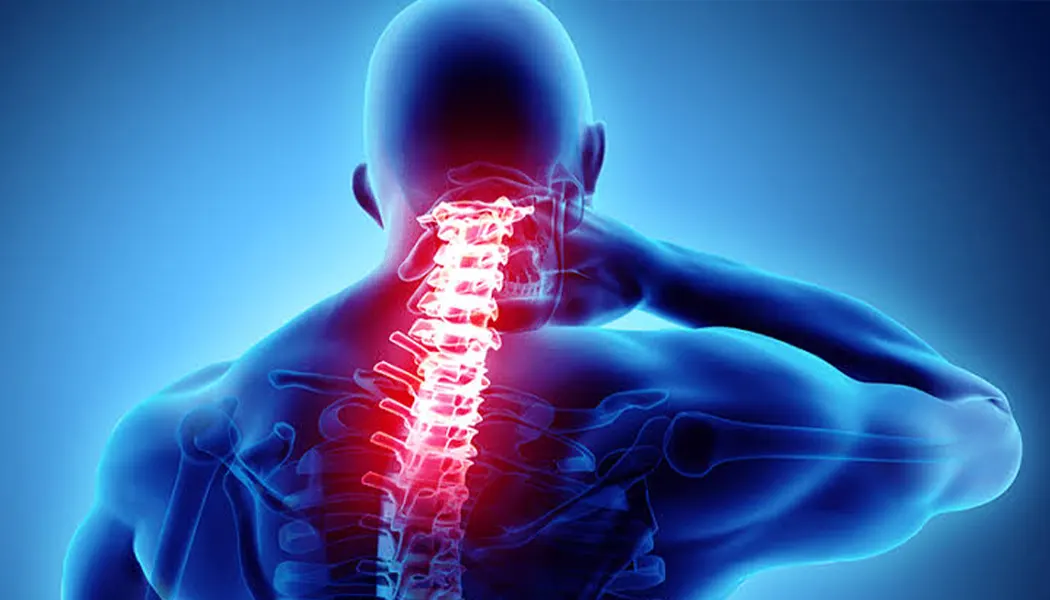
Cervical Spondylosis is an age-related condition involving gradual wear and changes in the bones, discs, joints, and other structures of the neck. It is common as people get older and may cause neck pain, stiffness, headaches, and reduced movement. Some people may have cervical spondylosis without experiencing any symptoms. In certain cases, changes in the neck can irritate or compress nearby nerves or the spinal cord, causing symptoms such as arm pain, tingling, numbness, weakness, or problems with balance and walking. At Pure Physio, treatment focuses on managing symptoms, improving neck mobility, strengthening supportive muscles, improving posture and movement habits, and helping you return comfortably to daily activities.
Cervical Spondylosis refers to gradual degenerative changes affecting the cervical spine, which is the neck portion of the spine.
The cervical spine contains:
Seven Vertebrae
Intervertebral Discs
Facet Joints
Ligaments
Muscles
Nerves
Over time, these structures can undergo age-related changes.
These may include:
Disc Degeneration
Disc Height Reduction
Facet Joint Changes
Bone Spur Formation
Ligament Thickening
Narrowing of Spaces Around Nerves
These changes are often part of the natural ageing process.
Many people have degenerative changes visible on imaging without experiencing significant pain.
However, symptoms can occur when changes affect:
Joints
Muscles
Nerve Roots
or
The Spinal Cord
When a nerve root is affected, it may cause:
Cervical Radiculopathy
When the spinal cord is affected, it may cause:
Cervical Myelopathy
The symptoms and treatment approach depend on which structures are involved and how significantly they affect function.
What Are The Symptoms Of Cervical Spondylosis?
Some people may have no symptoms.
Neck Pain: Pain or aching may occur in the neck.
Neck Stiffness: The neck may feel tight or difficult to move.
Reduced Neck Movement: Turning, bending, or looking up and down may become limited.
Headaches: Neck-related pain may sometimes contribute to headaches.
Pain Around the Shoulders: Discomfort may spread to the upper shoulders or shoulder blades.
Muscle Tightness: Muscles around the neck and shoulders may feel tense.
Arm Pain: Irritation of a cervical nerve may cause pain travelling into the shoulder, arm, or hand.
Tingling or Pins and Needles: Altered sensation may occur in the arm or hand.
Numbness: Reduced sensation can occur when a nerve is affected.
Arm or Hand Weakness: Nerve compression may cause weakness in certain muscles.
Difficulty with Fine Hand Movements: More significant nerve or spinal cord involvement can affect tasks such as buttoning clothes or writing.
Balance Problems: Spinal cord involvement can affect balance and walking.
Walking Difficulties: Cervical myelopathy may cause changes in gait or leg control.
Electric-Shock Sensation: Some people may experience unusual sensations with certain neck movements.
Symptoms Worse with Certain Positions: Prolonged sitting, looking down, driving, or certain neck movements may aggravate symptoms.
Sudden or progressive arm weakness, loss of hand coordination, worsening balance, difficulty walking, or new bladder or bowel problems require prompt medical assessment.
What Are The Causes Of Cervical Spondylosis?
Cervical spondylosis usually develops due to gradual age-related changes in the structures of the neck.
Ageing: Degenerative changes become more common with increasing age.
Disc Degeneration: Cervical discs can gradually lose water content and flexibility.
Disc Height Loss: Thinning of the discs may change the way forces are distributed through the neck.
Bone Spur Formation: The body may form extra bone around joints and vertebrae.
Facet Joint Degeneration: The small joints at the back of the spine may undergo degenerative changes.
Ligament Changes: Ligaments may become thicker or less flexible.
Previous Neck Injury: A previous injury may contribute to earlier or more significant degenerative changes.
Repeated Neck Stress: Certain work, sports, or activities may repeatedly load the neck.
Genetic Factors: Some individuals may be more prone to degenerative changes.
Smoking: Smoking can contribute to poorer disc health and degeneration.
Poor Physical Conditioning: Reduced muscle strength and general physical conditioning may contribute to neck symptoms and reduced function.
It is important to note that imaging changes do not always match the severity of a person’s symptoms.
Diagnosis Of Cervical Spondylosis
Medical History: A healthcare professional will ask about neck pain, stiffness, arm symptoms, headaches, previous injuries, balance changes, and functional limitations.
Physical Examination: Neck movement, posture, muscle strength, reflexes, sensation, and functional movement are assessed.
Neurological Examination: Arm and hand strength, sensation, reflexes, and coordination may be checked.
Spinal Cord Assessment: Balance, walking, hand coordination, and other signs of cervical myelopathy may be evaluated.
X-Rays: X-rays can show bone alignment, disc space changes, and bone spurs.
MRI: MRI provides detailed images of discs, nerves, the spinal cord, and other soft tissues.
CT Scan: CT may provide detailed images of bony structures.
Nerve Conduction Studies: These may be used when symptoms suggest nerve dysfunction or when another nerve condition needs to be considered.
Electromyography (EMG): EMG may help assess muscle and nerve function in selected cases.
Diagnosis is based on the person’s symptoms, physical examination, and investigations when clinically required.
Treatment Of Cervical Spondylosis
Treatment depends on the symptoms, severity, affected structures, and presence of nerve or spinal cord involvement.
Activity Modification: Temporarily modifying activities that significantly aggravate symptoms may help.
Physiotherapy: A personalised programme can help improve movement, strength, posture, and physical function.
Pain Management: A doctor may recommend appropriate medication when required.
Exercise: Regular, appropriately prescribed exercise can help maintain neck mobility and muscle strength.
Postural and Ergonomic Advice: Adjustments to workstations, sitting positions, and daily movement habits may help reduce unnecessary strain.
Heat Therapy: Heat may provide temporary relief from muscle tightness for some individuals.
Manual Therapy: Selected hands-on techniques may be used by an appropriately trained physiotherapist when clinically suitable.
Cervical Traction: In selected cases, carefully assessed traction may be used as part of a treatment programme.
Management of Nerve Symptoms: Cervical radiculopathy may require specific medical and rehabilitation management.
Injections: Certain injections may be considered by an appropriate medical specialist for selected cases.
Surgery: Surgery may be required when there is significant spinal cord compression, progressive neurological deficits, severe nerve compression, or symptoms that do not respond appropriately to conservative treatment.
Treatment should always be guided by an appropriate healthcare professional, particularly when neurological symptoms are present.
What Is The Physiotherapy Treatment Of Cervical Spondylosis
Detailed Assessment: At Pure Physio, we assess your neck pain, movement, posture, muscle strength, nerve symptoms, work habits, daily activities, and functional goals.
Neck Mobility Exercises: Controlled exercises may help maintain or improve comfortable neck movement.
Deep Neck Muscle Strengthening: Specific exercises may improve the strength and endurance of muscles that support the cervical spine.
Shoulder and Upper-Back Strengthening: Strengthening surrounding muscles can support posture and efficient upper-body movement.
Postural Training: Rehabilitation may address sitting, standing, working, and other positions that contribute to neck discomfort.
Thoracic Mobility Exercises: Improving movement in the upper back may support overall spinal function.
Flexibility Exercises: Suitable exercises may address tightness in the neck, shoulders, and upper-back muscles.
Neuromuscular Re-Education: Exercises may help improve movement control and coordination.
Ergonomic Guidance: We provide practical advice for desk work, computer use, mobile phone use, driving, and other daily activities.
Manual Therapy: Selected hands-on techniques may be used when appropriate after assessment.
Cervical Traction: Carefully assessed traction may be included for selected individuals when clinically suitable.
Nerve Mobility Exercises: Specific exercises may be considered when appropriate for certain nerve-related symptoms.
Functional Movement Training: Therapy focuses on practical movements such as looking around while driving, working at a desk, lifting, reaching, and sleeping comfortably.
Activity Modification: We help identify ways to stay active while reducing unnecessary aggravation.
Home Exercise Programme: A personalised exercise plan supports regular progress between physiotherapy sessions.
Progress Monitoring: Your programme is regularly reviewed and adjusted according to changes in pain, movement, strength, and neurological symptoms.
Why Choose Pure Physio?
Detailed Neck and Neurological Assessment: We assess pain, movement, posture, muscle function, and any symptoms involving the arms or nervous system.
Personalised Rehabilitation Plans: Your treatment programme is adapted to your symptoms, physical abilities, daily demands, and recovery goals.
Focus on Pain and Mobility: Rehabilitation aims to improve comfortable neck movement and reduce the impact of pain and stiffness.
Strength and Postural Support: We focus on improving the muscle strength and endurance needed to support the neck during everyday activities.
Movement and Ergonomic Guidance: Practical advice helps you improve movement habits at work, home, and during daily activities.
Safe Exercise Progression: Exercises are progressed according to your symptoms, function, and individual response.
Support for Nerve-Related Symptoms: When appropriate, rehabilitation addresses movement and physical function associated with medically assessed nerve symptoms.
Functional Rehabilitation: Treatment focuses on the activities that matter to you, including work, driving, exercise, lifting, and household tasks.
Education for Long-Term Management: We provide guidance on exercise, posture, pacing, and self-management strategies.
Integrated Care Approach: If imaging, specialist review, injections, or surgery are required, we can support rehabilitation as part of a coordinated care plan.
Focused on Lasting Movement Confidence: Our goal is to help you move more comfortably, stay active, and confidently manage your neck health over the long term.
Start Your Recovery Journey Today
Don’t let pain, stiffness, or reduced mobility affect your daily life. Get personalised physiotherapy care designed around your condition and recovery goals.