Cervical Myelopathy
Improve mobility, strength, balance, and daily function with personalised rehabilitation for cervical myelopathy.
Contents
Take the First Step Towards Better Movement
Our experienced physiotherapists are here to help you improve mobility, regain strength, and move with greater comfort and confidence.
What is Cervical Myelopathy?
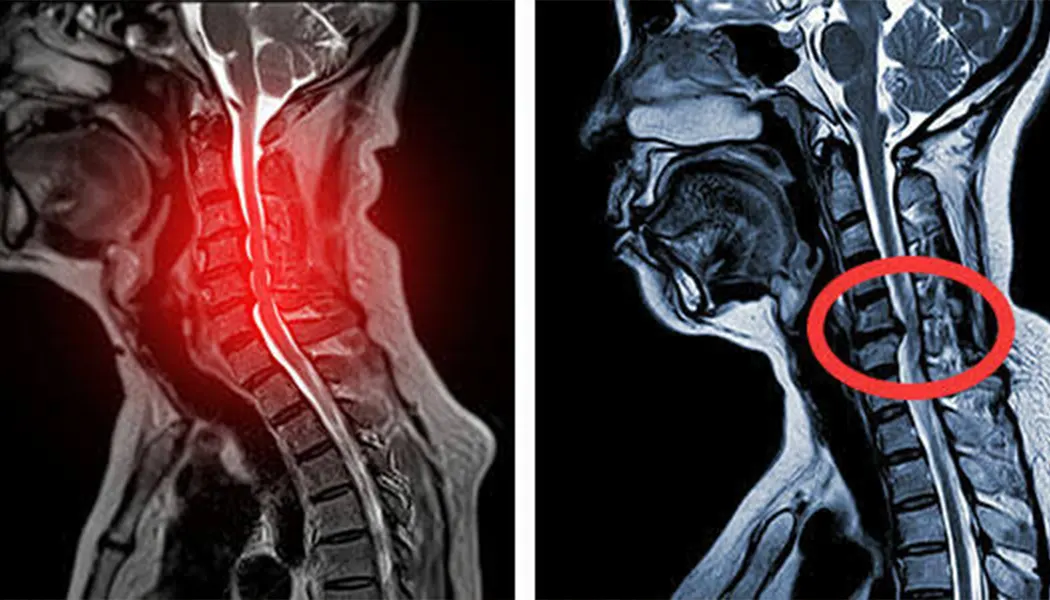
Cervical Myelopathy is a condition caused by compression or damage to the spinal cord in the neck (cervical spine). It can develop when age-related changes, a disc problem, bone spurs, or other spinal conditions narrow the space around the spinal cord. Symptoms may include neck pain or stiffness, weakness, numbness, reduced hand coordination, difficulty walking, poor balance, and changes in bladder or bowel function in more severe cases. Cervical myelopathy requires proper medical assessment, and treatment may involve monitoring, physiotherapy, or surgery depending on the severity and cause. At Pure Physio, rehabilitation focuses on safe movement, strength, balance, mobility, and functional recovery as part of an appropriate medical care plan.
Cervical Myelopathy is a condition in which the spinal cord becomes compressed or damaged within the cervical spine, which is the part of the spine located in the neck. The spinal cord carries important signals between the brain and the rest of the body, so pressure on it can affect movement, strength, sensation, coordination, balance, and other body functions. The most common form is Degenerative Cervical Myelopathy (DCM), which develops due to age-related changes in the cervical spine. These changes may include disc degeneration, disc bulges, bone spurs, thickening of spinal ligaments, or changes in spinal alignment that gradually reduce the space available for the spinal cord. Because cervical myelopathy can progress and may cause permanent neurological problems if severe, early medical assessment is important when symptoms suggest spinal cord involvement.
What Are The Symptoms Of Cervical Myelopathy?
Neck Pain: Some individuals experience pain or discomfort in the neck.
Neck Stiffness: Movement of the neck may become restricted or uncomfortable.
Hand Weakness: The hands may feel weak or less powerful.
Loss of Hand Dexterity: Fine movements such as buttoning clothes, writing, using keys, or handling small objects may become difficult.
Clumsiness: Objects may be dropped more frequently due to reduced coordination.
Numbness or Tingling: Altered sensation may occur in the hands, arms, legs, or other areas.
Arm Weakness: Weakness may affect one or both upper limbs.
Leg Weakness: The legs may feel heavy, weak, or difficult to control.
Difficulty Walking: Walking may become slower, unsteady, or more difficult.
Balance Problems: A person may feel less stable and have an increased risk of falls.
Changes in Gait: Walking may become stiff, wide-based, or uncoordinated.
Muscle Stiffness: Increased muscle tone or stiffness may occur in the arms or legs.
Muscle Spasms: Some individuals experience involuntary muscle tightening or spasms.
Reduced Coordination: Movements may become less smooth or controlled.
Electric Shock Sensation: Some people experience an electric shock-like sensation down the spine or limbs when bending the neck.
Bladder Changes: Difficulty controlling or emptying the bladder may occur in more severe cases.
Bowel Changes: Changes in bowel control may occur in severe cases.
Sexual Dysfunction: Spinal cord involvement may affect sexual function in some individuals.
Symptoms can develop gradually and may initially be mild. Progressive weakness, worsening walking or balance, increasing hand clumsiness, or new bladder or bowel changes require prompt medical assessment.
What Are The Causes Of Cervical Myelopathy?
Cervical myelopathy develops when the spinal cord in the neck is compressed, irritated, or damaged.
Cervical Spondylosis: Age-related wear and changes in the neck can narrow the spinal canal.
Disc Degeneration: Changes in the spinal discs can reduce the space available for the spinal cord.
Disc Bulge or Herniated Disc: A disc may protrude into the spinal canal and place pressure on the spinal cord.
Bone Spurs: Bony growths, also known as osteophytes, can narrow the spinal canal.
Spinal Canal Stenosis: Narrowing of the spinal canal can compress the spinal cord.
Ligament Thickening: Thickening or stiffening of spinal ligaments may reduce space within the spinal canal.
Ossification of Spinal Ligaments: Certain ligaments can become abnormally hardened or bone-like and contribute to spinal cord compression.
Spinal Alignment Changes: Conditions affecting the natural alignment of the cervical spine may contribute to compression.
Cervical Spine Injury: Trauma can cause direct spinal cord injury or worsen existing spinal narrowing.
Congenital Spinal Canal Narrowing: Some people are born with a naturally narrower spinal canal.
Spinal Tumours or Other Masses: Rarely, an abnormal growth may compress the spinal cord.
Inflammatory or Other Spinal Conditions: Certain conditions can affect the spinal cord or spinal canal.
The underlying cause and severity of compression influence the appropriate treatment plan.
Diagnosis Of Cervical Myelopathy
Medical History: A healthcare professional will ask about neck symptoms, hand function, walking, balance, weakness, numbness, and changes in bladder or bowel function.
Neurological Examination: Muscle strength, sensation, reflexes, coordination, and walking are assessed.
Hand Dexterity Assessment: Fine hand movements and functional tasks may be evaluated.
Reflex Testing: Increased or abnormal reflexes can indicate spinal cord involvement.
Gait and Balance Assessment: Walking pattern, stability, and coordination are assessed.
Range of Motion Assessment: Neck and limb movement may be evaluated carefully.
MRI: MRI is commonly used to assess the spinal cord, discs, spinal canal, and areas of compression.
X-Rays: X-rays can show spinal alignment and degenerative bony changes.
CT Scan: CT may provide detailed information about bone changes and spinal canal narrowing.
CT Myelogram: In selected cases, this imaging test may be used when MRI is unsuitable or additional information is needed.
Specialist Assessment: A neurologist, orthopaedic spine specialist, or neurosurgeon may be involved in diagnosis and treatment planning.
Diagnosis should be based on a combination of symptoms, neurological examination, and appropriate imaging.
Treatment Of Cervical Myelopathy
Treatment depends on the severity, cause, progression, and impact of spinal cord compression.
Medical Monitoring: Some mild and stable cases may be monitored by an appropriate specialist.
Physiotherapy: Carefully planned rehabilitation may help maintain mobility, strength, balance, and physical function when medically appropriate.
Activity Modification: Certain activities may need to be modified to reduce the risk of worsening symptoms or injury.
Pain Management: A doctor may recommend appropriate medication for pain or related symptoms.
Surgery: Surgery may be recommended to relieve pressure on the spinal cord, particularly in moderate, severe, or progressive cervical myelopathy.
Spinal Decompression: Surgical procedures may create more space for the spinal cord by removing structures causing compression.
Spinal Fusion: In selected cases, vertebrae may be stabilised using fusion surgery.
Post-Surgical Rehabilitation: Physiotherapy may help restore mobility, strength, walking ability, balance, and function after surgery.
Multidisciplinary Care: Management may involve spine surgeons, neurologists, physiotherapists, occupational therapists, and other healthcare professionals.
Because untreated or progressive cervical myelopathy can lead to lasting neurological impairment, treatment decisions should be guided by an appropriate medical specialist.
What Is The Physiotherapy Treatment Of Cervical Myelopathy
Physiotherapy for cervical myelopathy should only be provided following an appropriate assessment and should be adapted to the individual’s medical condition and specialist recommendations.
Detailed Functional Assessment: At Pure Physio, we assess your mobility, walking, balance, strength, coordination, posture, daily activities, and rehabilitation goals.
Safe Movement Guidance: We provide guidance on movements and activities that are appropriate for your condition and stage of recovery.
Post-Surgical Rehabilitation: Following appropriate spinal surgery, rehabilitation can help support a gradual return to safe movement and daily activities.
Gentle Mobility Exercises: Carefully selected exercises may help maintain movement in unaffected or medically appropriate areas.
Strengthening Exercises: Progressive strengthening can help improve functional muscle strength.
Lower-Limb Strengthening: Exercises support standing, walking, and everyday mobility.
Upper-Limb Rehabilitation: Appropriate exercises may help improve arm strength and functional use.
Hand Function Training: Functional exercises may support coordination and everyday hand activities.
Balance Training: Rehabilitation can improve stability and confidence during standing and walking.
Gait Training: Physiotherapy helps address walking difficulties and improve safe mobility.
Transfer Training: Therapy can support safe movement when getting in and out of bed, chairs, or other positions.
Functional Activity Training: Exercises focus on practical activities required for home, work, and daily life.
Fall Prevention Strategies: Balance training and safety guidance may help reduce the risk of falls.
Postural Education: Guidance is provided on maintaining comfortable and appropriate posture during everyday activities.
Home Exercise Programme: A personalised programme supports continued rehabilitation between physiotherapy sessions when appropriate.
Regular Progress Monitoring: Your programme is reviewed according to your symptoms, neurological status, functional ability, and medical recommendations.
Important: High-force neck manipulation or aggressive cervical movements may not be appropriate for individuals with cervical myelopathy. Treatment should be based on a thorough assessment and specialist guidance.
Why Choose Pure Physio?
Careful Functional Assessment: We assess your mobility, strength, balance, coordination, walking, and ability to perform everyday activities.
Safety-Focused Rehabilitation: Your programme is adapted according to your diagnosis, symptoms, medical status, and specialist recommendations.
Personalised Treatment Plans: Rehabilitation is tailored to your individual functional needs and recovery goals.
Pre and Post-Surgical Support: We can support rehabilitation before and after appropriate spinal surgery.
Strength and Mobility Rehabilitation: Exercises focus on improving physical capacity and functional movement safely.
Balance and Walking Support: We address mobility, stability, gait, and confidence during everyday movement.
Functional Recovery Focus: Therapy targets meaningful activities such as walking, transfers, dressing, hand use, work, and daily independence.
Fall Prevention Strategies: We help address balance difficulties and practical safety concerns.
Progressive Exercise Approach: Activities are progressed carefully according to your recovery and medical guidance.
Regular Progress Monitoring: Your rehabilitation programme is reviewed and adjusted as your condition and functional ability change.
Integrated Care Approach: We can work alongside spine surgeons, neurologists, orthopaedic specialists, and other healthcare professionals when required.
Focused on Safe Independence: Our goal is to support your mobility, strength, confidence, and ability to participate safely in the activities that matter to you.
Start Your Recovery Journey Today
Don’t let pain, stiffness, or reduced mobility affect your daily life. Get personalised physiotherapy care designed around your condition and recovery goals.