Cerebral Palsy
Support better movement, strength, balance, and independence with personalised physiotherapy for individuals living with cerebral palsy.
Contents
Take the First Step Towards Better Movement
Our experienced physiotherapists are here to help you improve mobility, regain strength, and move with greater comfort and confidence.
What is Cerebral Palsy?
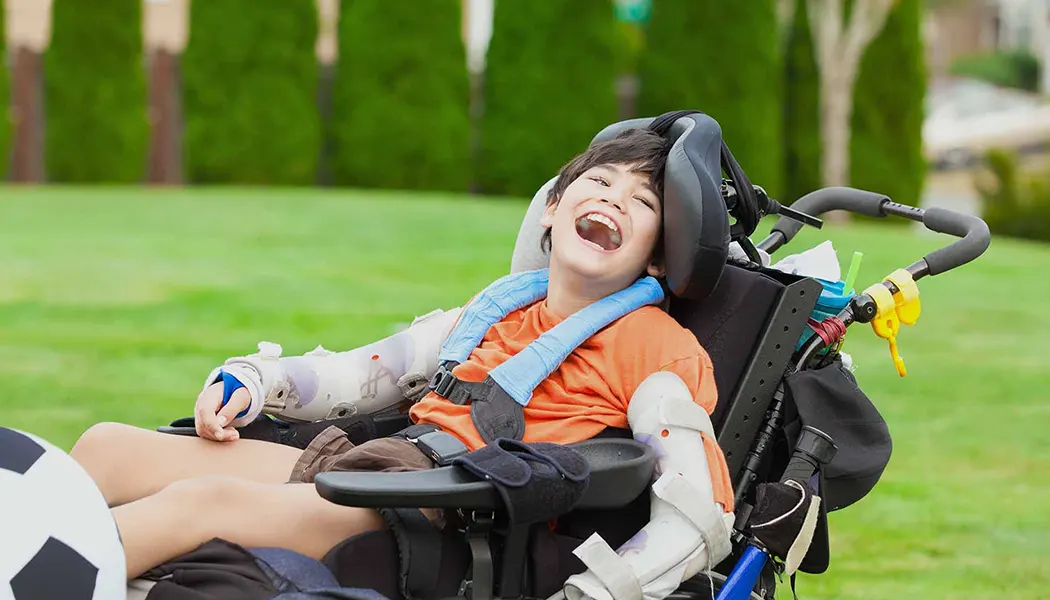
Cerebral Palsy (CP) is a group of conditions that affect movement, muscle tone, posture, and coordination due to an injury or disruption to the developing brain. It usually develops before birth, during birth, or in early childhood. Symptoms can vary significantly from person to person, ranging from mild movement difficulties to more significant challenges with walking, balance, hand function, communication, and daily activities. Although the brain injury itself does not progressively worsen, the physical effects can change over time as the child grows. At Pure Physio, physiotherapy focuses on improving mobility, muscle control, strength, balance, posture, functional skills, and independence according to each individual’s needs and goals.
Common Types of Cerebral Palsy Include:
Spastic Cerebral Palsy: Characterised by increased muscle stiffness or tightness.
Dyskinetic Cerebral Palsy: Can involve involuntary movements and difficulty controlling movement.
Ataxic Cerebral Palsy: Primarily affects balance, coordination, and movement accuracy.
Mixed Cerebral Palsy: Involves features of more than one type.
The severity and functional impact of cerebral palsy vary widely between individuals.
What Are The Symptoms Of Cerebral Palsy?
Symptoms vary depending on the type and areas of the brain affected.
Delayed Motor Development: A child may reach movement milestones later than expected.
Muscle Stiffness: Muscles may feel tight or resistant to movement.
Abnormal Muscle Tone: Muscles may be unusually stiff or, in some cases, have reduced tone.
Difficulty Controlling Movement: Movements may be difficult to control smoothly.
Poor Balance: Standing or walking may be challenging.
Poor Coordination: Tasks requiring coordinated movement may be difficult.
Difficulty Walking: Walking patterns may be affected in different ways.
Toe Walking: Some individuals may walk on their toes due to increased muscle tone or other movement factors.
Scissoring of the Legs: The legs may cross during movement in some individuals with increased muscle tone.
Involuntary Movements: Uncontrolled movements may occur in dyskinetic cerebral palsy.
Tremors: Shaking or tremor may affect movement in some individuals.
Difficulty Sitting: Maintaining an upright sitting position may be challenging.
Postural Difficulties: Maintaining stable and comfortable body alignment may require support.
Weakness: Reduced muscle strength may affect movement and functional activities.
Joint Stiffness: Reduced movement over time may contribute to joint stiffness.
Difficulty Using the Hands: Fine motor activities and grasping may be affected.
Differences Between Both Sides of the Body: One side may be weaker or more difficult to control.
Some individuals may also experience associated difficulties involving:
Speech
Swallowing
Vision
Hearing
Learning
Seizures
These require assessment and management by appropriate healthcare professionals.
What Are The Causes Of Cerebral Palsy?
Cerebral palsy results from damage to or abnormal development of the brain while it is developing.
Possible causes and risk factors include:
Brain Development Problems: The brain may not develop normally during pregnancy.
Reduced Oxygen Supply: Certain events affecting oxygen delivery around the time of birth may contribute in some cases.
Premature Birth: Babies born prematurely have a higher risk of certain brain injuries associated with cerebral palsy.
Low Birth Weight: Very low birth weight can increase risk.
Bleeding in the Brain: Bleeding around or within the brain may cause injury.
Stroke: A stroke occurring before, during, or after birth can cause brain injury.
Infections During Pregnancy: Certain infections can affect the developing brain.
Severe Newborn Infections: Infections affecting the brain during early life may contribute.
Severe Jaundice: In rare untreated cases, extremely high bilirubin levels can cause brain damage.
Head Injury: Severe brain injury during early childhood can result in symptoms resembling or contributing to cerebral palsy.
In many cases, there may not be one single identifiable cause.
Diagnosis Of Cerebral Palsy
Diagnosis may involve ongoing assessment because some movement differences become clearer as a child develops.
Developmental History: Healthcare professionals review developmental milestones and movement patterns.
Medical and Birth History: Pregnancy, birth, prematurity, infections, and other relevant factors may be discussed.
Physical Examination: Muscle tone, posture, reflexes, strength, coordination, and movement are assessed.
Neurological Assessment: A specialist may evaluate brain and nervous system function.
Developmental Assessment: Gross motor and other developmental skills may be assessed.
Movement Assessment: Sitting, standing, crawling, walking, reaching, and other functional movements may be evaluated.
MRI: MRI may be used to identify areas of brain injury or abnormal development.
Other Investigations: Hearing, vision, genetic, metabolic, or other tests may be considered depending on the individual’s presentation.
Specialist Assessment: A paediatric neurologist, developmental paediatrician, or other appropriate specialist may be involved.
Early identification and intervention can help address movement and functional needs during development.
Treatment Of Cerebral Palsy
There is currently no single treatment that removes the underlying brain injury.
Treatment focuses on:
Managing Symptoms
Supporting Development
Improving Function
Promoting Independence
The treatment plan may involve a multidisciplinary team.
Physiotherapy: Helps support movement, mobility, strength, balance, posture, and functional skills.
Occupational Therapy: Helps develop hand function and independence in daily activities.
Speech and Language Therapy: May support communication and swallowing when needed.
Exercise Programmes: Individualised exercises can support physical development and mobility.
Orthotic Devices: Braces or splints may help support alignment and function.
Mobility Aids: Walkers, standing frames, wheelchairs, or other devices may improve participation and independence.
Medications: Doctors may prescribe medication to manage spasticity or other associated symptoms.
Botulinum Toxin Injections: Injections may be used in selected individuals to manage problematic muscle overactivity.
Serial Casting: In selected cases, casting may be used to manage muscle tightness and improve joint positioning.
Orthopaedic Surgery: Surgery may be considered to address significant muscle, tendon, hip, or bone problems.
Selective Dorsal Rhizotomy: This specialised procedure may be considered for selected individuals with significant spasticity.
Treatment should be individualised according to the person’s age, type of cerebral palsy, abilities, challenges, and personal goals.
What Is The Physiotherapy Treatment Of Cerebral Palsy
Detailed Assessment: At Pure Physio, we assess muscle tone, movement patterns, joint range, strength, posture, balance, mobility, functional abilities, and individual goals.
Early Movement Support: Physiotherapy can support the development of age-appropriate movement skills.
Positioning Guidance: We provide guidance on comfortable and functional positioning for sitting, lying, standing, and daily activities.
Postural Control Training: Exercises and activities help improve trunk control and stability.
Stretching and Range of Motion Exercises: Carefully selected exercises may help maintain joint movement and manage the effects of muscle tightness.
Strengthening Exercises: Progressive activities help improve functional muscle strength.
Balance Training: Exercises and activities can support standing balance and movement confidence.
Walking Training: Gait rehabilitation may help improve walking ability and efficiency when appropriate.
Gross Motor Skills Training: Therapy can support skills such as rolling, sitting, crawling, standing, and walking.
Functional Movement Practice: Activities focus on movements needed for everyday life and participation.
Coordination Training: Exercises may help improve control and accuracy of movement.
Weight-Bearing Activities: Appropriate weight-bearing can support strength, bone health, and functional development.
Gait and Mobility Aid Training: We provide training in the safe and effective use of walkers or other mobility equipment when required.
Orthotic Support Guidance: Physiotherapy can support the use of braces or orthotic devices as part of an overall care plan.
Home Exercise Programme: A personalised programme helps families continue suitable exercises and activities at home.
Caregiver Education: We provide practical guidance to parents and caregivers regarding positioning, movement, transfers, exercises, and safe participation.
Regular Progress Monitoring: The rehabilitation plan is reviewed and adapted as the child’s needs, growth, and abilities change.
Physiotherapy programmes for cerebral palsy are highly individualised and focus on improving meaningful function rather than following a single standard exercise programme.
Why Choose Pure Physio?
Individualised Assessment: We carefully assess movement, muscle tone, posture, mobility, balance, strength, and functional abilities.
Child-Centred Rehabilitation: Therapy is adapted to the child’s age, abilities, interests, and developmental needs.
Goal-Focused Treatment: Rehabilitation focuses on meaningful goals such as sitting, standing, walking, playing, school participation, and daily independence.
Functional Movement Focus: We practise movements and activities that are relevant to everyday life.
Personalised Exercise Programmes: Each programme is adapted according to the individual’s physical needs and abilities.
Support for Mobility and Walking: We help develop and improve movement skills, balance, gait, and confidence where appropriate.
Posture and Positioning Guidance: Practical support helps promote comfortable and functional positioning.
Family and Caregiver Involvement: We provide guidance that helps families support rehabilitation at home.
Long-Term Rehabilitation Support: Treatment can be reviewed and adapted as physical needs change during growth and development.
Multidisciplinary Care Approach: We can work alongside paediatricians, neurologists, orthopaedic specialists, occupational therapists, speech therapists, and other healthcare professionals when required.
Regular Progress Monitoring: Goals and treatment strategies are reviewed to reflect the individual’s progress and changing needs.
Focused on Participation and Independence: Our goal is to support each individual in achieving their greatest possible mobility, function, confidence, and participation in everyday life.
Start Your Recovery Journey Today
Don’t let pain, stiffness, or reduced mobility affect your daily life. Get personalised physiotherapy care designed around your condition and recovery goals.