Burns
Support your recovery, restore movement, and improve everyday function with personalised physiotherapy rehabilitation after a burn injury.
Contents
Take the First Step Towards Better Movement
Our experienced physiotherapists are here to help you improve mobility, regain strength, and move with greater comfort and confidence.
What is Burns?
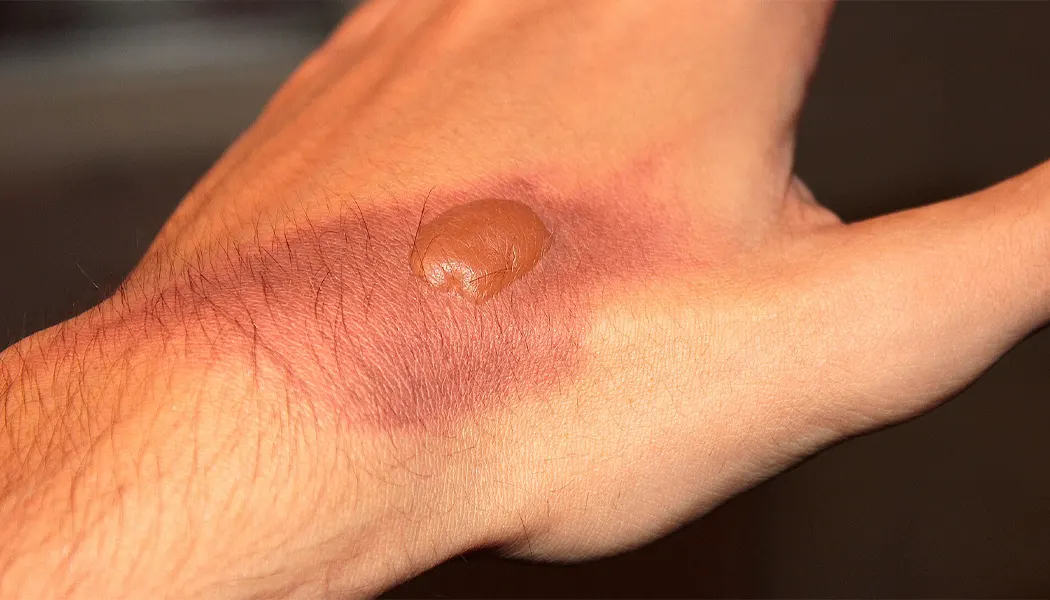
Burns are injuries to the skin and sometimes deeper tissues caused by heat, flames, hot liquids, chemicals, electricity, radiation, or friction. Depending on their severity, burns can cause pain, redness, swelling, blistering, skin damage, scarring, stiffness, and reduced movement. More severe burns may affect muscles, tendons, joints, and other deeper structures. After appropriate medical treatment, physiotherapy plays an important role in maintaining movement, preventing or managing stiffness and contractures, rebuilding strength, and helping individuals return to everyday activities.
A burn is damage to the body’s tissues caused by exposure to a harmful source of energy or substance. While burns commonly affect the skin, severe injuries can extend into deeper tissues.
Burns may be classified according to their depth and severity.
Superficial Burns: Affect the outer layer of the skin and may cause redness and pain.
Partial-Thickness Burns: Affect deeper layers of the skin and may cause redness, swelling, blistering, and significant pain.
Full-Thickness Burns: Extend through the full thickness of the skin and may require specialised medical and surgical care.
The effect of a burn also depends on its size, location, depth, cause, and the person’s overall health. Burns involving areas such as the face, hands, feet, genitals, major joints, or large areas of the body may require specialist assessment and treatment.
Burn healing can sometimes result in scarring, skin tightness, stiffness, and contractures, which is where scar tissue shortens and restricts normal movement. Physiotherapy and rehabilitation can help manage these functional effects as part of an appropriate multidisciplinary treatment plan.
What Are The Symptoms Of Burns?
Symptoms vary depending on the depth and severity of the injury.
Common Symptoms
Redness: The affected skin may become red and inflamed.
Pain: Burns can cause mild to severe pain.
Swelling: The injured area may become swollen.
Warmth: The skin around the burn may feel warm.
Blistering: Partial-thickness burns may cause fluid-filled blisters.
Skin Sensitivity: The area may become very sensitive or painful to touch.
Other Possible Symptoms
Skin Colour Changes: The skin may appear white, brown, black, or charred in deeper burns.
Dry or Leathery Skin: Full-thickness burns may have a dry or firm appearance.
Reduced Sensation: Severe burns can damage nerve endings and reduce sensation.
Stiffness: Healing and scar formation may restrict movement.
Tight Skin: Scar tissue may create a feeling of tightness across a joint or body area.
Reduced Joint Movement: Burns near joints may make bending or straightening difficult.
Weakness: Reduced activity and prolonged recovery can lead to muscle weakness.
Contractures: Scar tissue can shorten and restrict normal movement.
Difficulty Performing Daily Activities: Burns may affect dressing, bathing, walking, reaching, gripping, or other functional tasks.
Emotional and Psychological Impact: Significant burn injuries can also affect confidence, body image, sleep, and emotional wellbeing.
Serious burns, chemical burns, electrical burns, burns with breathing difficulty, or burns affecting large areas or sensitive body regions require urgent medical assessment.
What Are The Causes Of Burns?
Flame Burns: Contact with fire or open flames can cause significant tissue damage.
Scalds: Hot liquids or steam can burn the skin.
Contact Burns: Direct contact with hot objects or surfaces can cause burns.
Chemical Burns: Exposure to acids, alkalis, or other harmful chemicals can damage tissues.
Electrical Burns: Electrical current can cause internal and external tissue damage.
Radiation Burns: Excessive exposure to certain forms of radiation can damage the skin.
Friction Burns: Repeated rubbing against a surface can cause heat and skin damage.
Cold Burns: Extreme cold can also damage body tissues.
The severity of the injury depends on factors such as the temperature or intensity of exposure, duration of contact, affected body area, and depth of tissue damage.
Diagnosis Of Burns
Medical History: Healthcare professionals assess how and when the burn occurred and identify the cause of injury.
Burn Depth Assessment: The depth of tissue damage is evaluated.
Burn Size Assessment: The percentage of body surface area affected may be estimated in significant burns.
Physical Examination: The skin, surrounding tissues, circulation, sensation, and movement are assessed.
Joint Movement Assessment: Burns affecting or crossing joints are assessed for movement restrictions.
Wound Assessment: Healing progress, signs of infection, and skin condition are monitored.
Scar Assessment: Once healing progresses, scar thickness, tightness, sensitivity, and mobility may be evaluated.
Functional Assessment: The effect of the injury on walking, hand use, self-care, work, and other daily activities is assessed.
Specialist Assessment: Severe or complex burns may require care from a specialised burn unit and multidisciplinary healthcare team.
Treatment Of Burns
Treatment depends on the cause, depth, size, location, and severity of the burn.
Immediate First Aid: Appropriate early burn first aid can help limit further tissue damage. Remove the person from the source of injury when safe to do so and seek medical assistance as required.
Cooling the Burn: For a recent thermal burn, cool running water may be used as part of appropriate first aid. Avoid applying ice directly to the burn.
Wound Care: Dressings and appropriate wound management protect the injured skin and support healing.
Pain Management: Medication may be prescribed to manage pain.
Fluid Management: Large or severe burns may require specialised fluid management in hospital.
Infection Prevention and Treatment: Medical care may be required if infection develops.
Skin Grafting: Severe or deep burns may require surgery and skin grafting.
Scar Management: After wound healing, treatment may address raised, tight, or restrictive scars.
Splinting and Positioning: Appropriate positioning or splinting may help prevent contractures and protect affected areas.
Physiotherapy Rehabilitation: Rehabilitation helps maintain movement, manage stiffness, rebuild strength, and improve function.
Occupational and Functional Rehabilitation: Additional therapy may support independence with self-care, work, and daily activities.
What Is The Physiotherapy Treatment Of Burns
Detailed Assessment: At Pure Physio, we assess pain, swelling, skin and scar condition, joint movement, muscle strength, posture, mobility, and the effect of the burn on everyday activities.
Individualised Rehabilitation Programme: Your programme is tailored according to the location and severity of the burn, stage of wound healing, medical treatment received, skin condition, and personal goals.
Positioning Advice: Appropriate positioning may help reduce prolonged tightness and support comfortable movement.
Range of Motion Exercises: Controlled exercises help maintain or improve movement in joints affected by the burn or surrounding scar tissue.
Gentle Stretching: Carefully progressed stretching can help manage tightness and maintain soft-tissue flexibility when medically appropriate.
Contracture Prevention: Rehabilitation aims to reduce the risk of movement restrictions caused by shortening and tightening of scar tissue.
Scar Mobility Rehabilitation: Once the wound has healed and it is medically appropriate, treatment may help address restricted movement associated with scar tissue.
Strengthening Exercises: Progressive exercises help rebuild muscle strength following reduced activity, immobilisation, or prolonged recovery.
Functional Training: Rehabilitation focuses on activities such as reaching, dressing, bathing, walking, gripping, lifting, and other tasks affected by the injury.
Hand and Upper-Limb Rehabilitation: Targeted exercises may help restore movement and function when burns affect the arms or hands.
Lower-Limb Rehabilitation: Therapy can support walking, balance, and mobility when burns affect the hips, legs, knees, ankles, or feet.
Postural Rehabilitation: Exercises may address compensatory posture and movement patterns caused by pain or tissue tightness.
Splinting Support: Where part of the prescribed treatment plan, splints may help maintain appropriate positioning and protect function.
Post-Surgical Rehabilitation: If skin grafting or other surgery is required, rehabilitation follows the medical and surgical team’s guidance.
Gradual Activity Progression: Everyday activities, exercise, work, and other physical demands are gradually increased according to healing and functional recovery.
Home Exercise Programme: A personalised programme supports continued movement and rehabilitation between appointments.
Progress Monitoring: Your treatment is regularly reviewed and adjusted according to wound healing, scar changes, movement, strength, and functional improvement.
Why Choose Pure Physio?
Comprehensive Functional Assessment: We assess movement, strength, mobility, scar-related restrictions, and the impact of the burn on everyday activities.
Personalised Rehabilitation Plans: Your programme is tailored according to your injury, stage of healing, medical treatment, functional needs, and recovery goals.
Focus on Movement and Function: We help maintain and restore comfortable movement affected by burns, scarring, or prolonged recovery.
Contracture Prevention and Management: Rehabilitation focuses on reducing movement restrictions caused by tightening tissues and scars.
Strength and Mobility Rehabilitation: Progressive exercises help rebuild physical capacity after injury and reduced activity.
Functional Recovery Focus: Therapy targets practical activities that support independence at home, work, and in daily life.
Upper and Lower Limb Rehabilitation: Treatment can be adapted to burns affecting the hands, arms, legs, feet, and other body areas.
Post-Surgical Rehabilitation: Structured physiotherapy supports recovery following skin grafting or other procedures when appropriate.
Safe Exercise Progression: Your programme is progressed carefully according to wound healing, skin condition, medical guidance, and physical recovery.
Home Exercise Guidance: You receive a personalised programme to support continued progress outside your appointments.
Regular Progress Monitoring: Your rehabilitation is reviewed and adapted as healing, movement, strength, and function improve.
Integrated Care Approach: We work alongside burn specialists, surgeons, doctors, occupational therapists, and other healthcare professionals when required.
Focused on Long-Term Recovery: Our goal is to help reduce stiffness and movement restrictions, rebuild strength and confidence, improve everyday function, and support your return to the activities that matter most.
Start Your Recovery Journey Today
Don’t let pain, stiffness, or reduced mobility affect your daily life. Get personalised physiotherapy care designed around your condition and recovery goals.