Bunion Or Hallux Valgus
Reduce foot discomfort, improve toe mobility, and move with greater comfort through personalised physiotherapy for Bunions or Hallux Valgus.
Contents
Take the First Step Towards Better Movement
Our experienced physiotherapists are here to help you improve mobility, regain strength, and move with greater comfort and confidence.
What is Bunion Or Hallux Valgus?
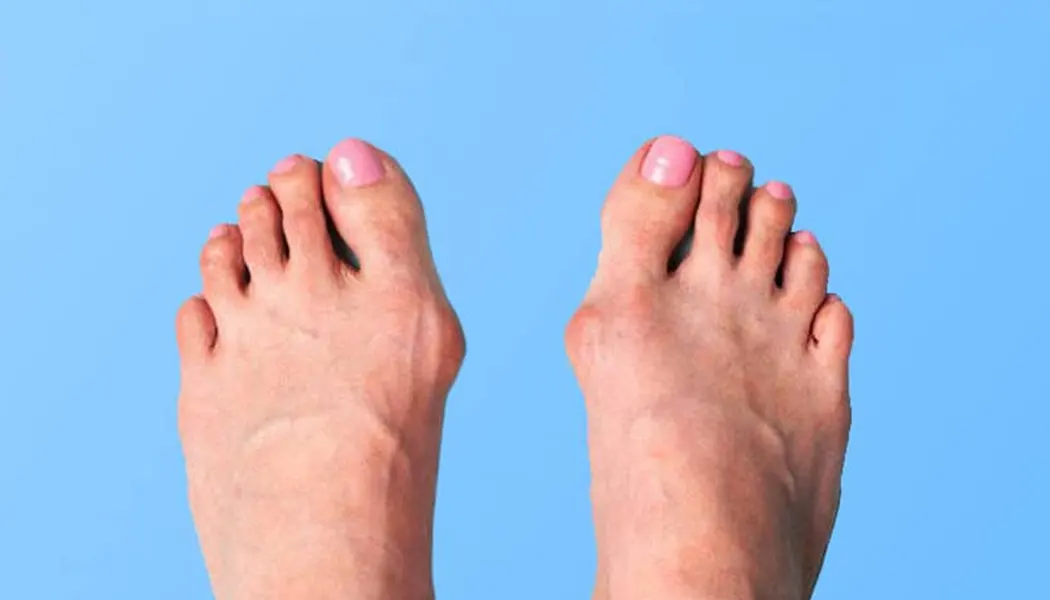
A Bunion, or Hallux Valgus, is a progressive change in the alignment of the big toe joint, also called the first metatarsophalangeal (MTP) joint.
In Hallux Valgus:
The Big Toe Moves Towards the Smaller Toes
The First Metatarsal Bone Changes Its Position
A Prominent Bump May Develop on the Inside of the Foot
The bump can become irritated due to pressure from footwear or repeated loading.
Over time, Hallux Valgus may lead to changes in:
Toe Alignment
Joint Movement
Foot Loading
Walking Mechanics
Shoe Comfort
Some bunions remain painless, while others become increasingly uncomfortable.
Bunions can vary in severity from mild alignment changes to more significant deformity. In some cases, the big toe may overlap or push against the second toe.
What Are The Symptoms Of Bunion Or Hallux Valgus?
Common Symptoms
Bony Bump at the Base of the Big Toe: A noticeable prominence develops on the inside of the foot.
Big Toe Deviation: The big toe gradually moves towards the smaller toes.
Pain: The joint or surrounding area may become painful.
Swelling: The tissues around the big toe joint may become swollen.
Redness: Irritation from pressure or friction may cause redness.
Difficulty Wearing Shoes: Narrow or tight footwear may press against the bunion and increase discomfort.
Stiffness: Movement of the big toe joint may become restricted.
Other Possible Symptoms
Pain During Walking: Pushing off through the big toe may become uncomfortable.
Pain During Exercise: Running or prolonged activity may increase symptoms.
Calluses: Thickened skin may develop due to changes in pressure distribution.
Second Toe Pain: Changes in foot loading may increase stress on nearby toes.
Toe Overlapping: In more significant cases, the big toe may press against or overlap another toe.
Difficulty Finding Comfortable Footwear: The foot shape may make some shoes difficult to wear comfortably.
Reduced Push-Off Strength: Pain or stiffness may affect the ability to push off during walking.
Altered Walking Pattern: You may change the way you walk to avoid pressure on the painful joint.
Joint Irritation: The skin or soft tissues over the bunion may become irritated from repeated friction.
What Are The Causes Of Bunion Or Hallux Valgus?
Bunions usually develop due to a combination of structural, mechanical, and genetic factors.
Genetics: A tendency towards certain foot shapes or joint structures can run in families.
Foot Structure: The natural shape and alignment of the foot may increase susceptibility.
Joint Laxity: Increased flexibility or looseness of joints may contribute to changes in toe alignment.
Flat Feet: Certain foot movement patterns may contribute to altered loading of the big toe joint.
Foot Mechanics: How forces are distributed through the foot during walking can influence the joint.
Footwear: Tight, narrow, or pointed shoes can increase pressure and aggravate symptoms, although footwear is not the only cause of bunions.
Inflammatory Arthritis: Some inflammatory conditions can affect joint structure and alignment.
Previous Foot Injury: Trauma affecting the foot or big toe may contribute to changes in joint mechanics.
Repetitive Pressure: Repeated loading and friction can aggravate symptoms around an existing bunion.
Age-Related Changes: Joint and soft-tissue changes over time may contribute to progression.
Diagnosis Of Bunion Or Hallux Valgus
Medical History: A healthcare professional will ask about pain, changes in toe position, activity levels, footwear, previous injuries, and functional difficulties.
Physical Examination: The foot is assessed for toe alignment, joint movement, swelling, tenderness, skin irritation, and structural changes.
Foot Posture Assessment: Overall foot alignment may be evaluated during standing.
Walking Assessment: Your walking pattern and push-off mechanics may be assessed.
Range of Motion Assessment: Movement of the big toe, foot, and ankle is evaluated.
Strength Testing: The muscles supporting the toes, foot, and ankle may be assessed.
Footwear Assessment: Shoe shape, fit, and areas of pressure may be considered.
X-Rays: X-rays are commonly used to assess bone alignment and the severity of Hallux Valgus.
Ultrasound or MRI: Imaging may be used in selected cases when other soft-tissue or joint conditions are suspected.
Treatment Of Bunion Or Hallux Valgus
Treatment depends on the severity of symptoms, joint changes, and functional limitations.
Footwear Modification: Choosing shoes with adequate width and space for the toes can help reduce pressure on the bunion.
Avoiding Tight or Narrow Shoes: Reducing pressure and friction may improve comfort.
Toe Spacers or Protective Pads: These may help improve comfort and reduce rubbing in selected cases.
Orthoses or Insoles: Insoles may be recommended in selected individuals to improve comfort or address contributing foot mechanics.
Activity Modification: Temporarily adjusting activities that significantly aggravate symptoms may help manage discomfort.
Pain Management: Appropriate medication may be recommended by a healthcare professional when required.
Physiotherapy: A structured programme can help improve foot and toe mobility, strength, movement control, and overall lower-limb function.
Foot and Toe Exercises: Targeted exercises may help maintain movement and strengthen supporting muscles.
Management of Associated Conditions: Arthritis or other contributing conditions may require specific medical management.
Specialist Referral: Significant pain, progressive deformity, or major functional difficulty may require assessment by a podiatrist or orthopaedic specialist.
Surgery: Surgical correction may be considered when significant symptoms persist despite appropriate conservative management. Physiotherapy and other non-surgical treatments may help manage symptoms and function but do not necessarily reverse the underlying bony deformity.
What Is The Physiotherapy Treatment Of Bunion Or Hallux Valgus
Detailed Assessment: At Pure Physio, we assess pain, big toe alignment, joint movement, foot posture, muscle strength, walking pattern, footwear, activity demands, and functional limitations.
Individualised Rehabilitation Programme: Your treatment is tailored according to your symptoms, joint mobility, foot mechanics, lifestyle, activity level, and recovery goals.
Pain Management Strategies: Appropriate treatment and exercise selection may help manage discomfort and reduce unnecessary irritation.
Big Toe Mobility Exercises: Carefully selected exercises help maintain or improve comfortable movement at the big toe joint.
Toe Mobility Exercises: Controlled movements may improve flexibility and function of the toes.
Foot Mobility Exercises: Exercises help support comfortable movement through the foot.
Intrinsic Foot Muscle Training: Targeted exercises strengthen the small muscles within the foot.
Toe Strengthening Exercises: Exercises help improve active control and strength of the toes.
Foot Strengthening: Progressive exercises improve support and control during standing and walking.
Ankle Strengthening: Exercises help improve the strength of muscles supporting lower-limb movement.
Calf Strengthening: Progressive exercises support walking and push-off function.
Calf Mobility Exercises: Mobility work may help address restricted ankle movement when present.
Balance and Proprioception Training: Exercises improve foot and ankle awareness, stability, and confidence.
Foot Posture Training: When appropriate, rehabilitation may improve active control of foot movement during weight-bearing activities.
Walking Retraining: We assess and guide movement patterns to support comfortable and efficient walking.
Movement Retraining: Therapy may address lower-limb control during standing, walking, squatting, running, and other activities.
Footwear Guidance: Practical advice can help you consider shoe width, toe-box space, comfort, and activity requirements.
Orthotic Support Guidance: When orthoses or other supports are recommended, we provide guidance on using them as part of a broader management plan.
Toe Spacer and Support Guidance: We can provide practical guidance regarding the use of recommended toe spacers or protective supports.
Activity and Load Management: We help you progress standing, walking, exercise, and other activities according to your symptoms.
Functional Strength Training: Rehabilitation progresses towards activities relevant to your work, lifestyle, and daily movement.
Post-Surgical Rehabilitation: If bunion surgery is required, physiotherapy can help restore appropriate movement, strength, walking ability, and functional confidence according to your surgeon’s instructions.
Home Exercise Programme: A personalised programme supports continued mobility, strengthening, and recovery between appointments.
Progress Monitoring: Your rehabilitation is regularly reviewed and adjusted according to pain, movement, strength, walking ability, footwear tolerance, and functional progress.
Why Choose Pure Physio?
Comprehensive Foot and Toe Assessment: We assess toe alignment, pain, joint movement, foot posture, strength, walking patterns, footwear, and functional limitations.
Personalised Rehabilitation Plans: Your programme is tailored according to your symptoms, foot mechanics, activity demands, lifestyle, and personal goals.
Focus on Comfortable Movement: Rehabilitation aims to improve mobility, strength, and movement control while reducing unnecessary irritation.
Improve Big Toe and Foot Mobility: Carefully selected exercises help support comfortable movement.
Build Foot and Lower-Limb Strength: Progressive rehabilitation targets the toes, foot, ankle, calf, hips, and other muscles supporting movement.
Improve Foot Control: Targeted exercises help improve active control and support during standing and walking.
Walking and Movement Retraining: We help improve movement patterns to support more comfortable and efficient daily activity.
Footwear Guidance: Practical advice helps you make informed decisions about shoe fit, toe-box space, comfort, and support.
Support for Daily Activities: Rehabilitation targets meaningful activities such as standing, walking, exercising, and participating in everyday life.
Activity Management Guidance: We help you adjust and progressively return to activities according to symptoms and functional ability.
Post-Surgical Rehabilitation Support: Structured physiotherapy can support recovery following surgical correction when required.
Safe Exercise Progression: Your programme is adjusted according to symptoms, strength, mobility, and functional progress.
Home Exercise Guidance: You receive a personalised programme to support consistent progress outside your appointments.
Regular Progress Monitoring: Your rehabilitation is reviewed and adapted according to changes in pain, movement, strength, walking ability, and function.
Integrated Care Approach: We work alongside doctors, podiatrists, orthopaedic specialists, and other healthcare professionals when required.
Focused on Long-Term Foot Function: Our goal is to reduce discomfort, improve mobility and strength, support better foot control, and help you stay active and confident in your daily life.
Start Your Recovery Journey Today
Don’t let pain, stiffness, or reduced mobility affect your daily life. Get personalised physiotherapy care designed around your condition and recovery goals.