
Biceps Tendonitis
Reduce shoulder pain, restore comfortable movement, and rebuild strength with personalised physiotherapy for Biceps Tendonitis.
Contents
Take the First Step Towards Better Movement
Our experienced physiotherapists are here to help you improve mobility, regain strength, and move with greater comfort and confidence.
What is Biceps Tendonitis?
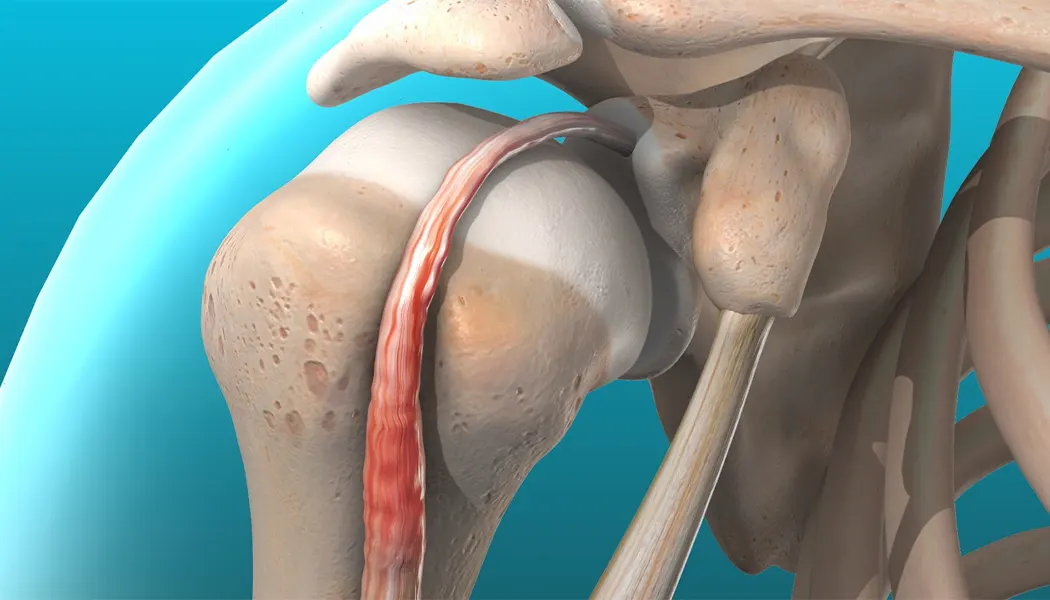
Biceps Tendonitis, also known as Biceps Tendinopathy, is a condition involving irritation or inflammation of the tendon that connects the biceps muscle to the shoulder. It commonly affects the long head of the biceps tendon, causing pain at the front of the shoulder, particularly during lifting, reaching, throwing, or repetitive overhead movements. Symptoms may also include tenderness, weakness, and reduced shoulder movement. At Pure Physio, physiotherapy focuses on reducing pain, improving shoulder movement, strengthening the surrounding muscles, improving tendon load tolerance, and helping you return to comfortable everyday activities, work, and sport.
Biceps Tendonitis is a condition affecting the biceps tendon, which connects the biceps muscle in the upper arm to the bones around the shoulder and elbow.
The biceps muscle has two main tendons at the shoulder:
Long Head of the Biceps Tendon: Travels through the front of the shoulder and attaches inside the shoulder joint area.
Short Head of the Biceps Tendon: Attaches to a part of the shoulder blade called the coracoid process.
Biceps Tendonitis most commonly affects the long head of the biceps tendon. The tendon can become painful due to repeated loading, irritation, or changes in the tendon over time.
The condition is often associated with repetitive overhead movements and may occur alongside other shoulder problems, including rotator cuff conditions, shoulder impingement, or labral injuries.
Although the term tendonitis is commonly used, long-standing tendon problems may involve tendon degeneration rather than ongoing inflammation. This is why Biceps Tendinopathy is also often used to describe persistent symptoms.
What Are The Symptoms Of Biceps Tendonitis?
Common Symptoms
Pain at the Front of the Shoulder: Discomfort is commonly felt in the front of the shoulder.
Pain with Lifting: Raising or carrying objects may increase symptoms.
Pain with Overhead Movements: Reaching above shoulder level can be painful.
Tenderness: The front of the shoulder may be sensitive to touch.
Shoulder Weakness: The arm may feel weak during lifting or repetitive activities.
Pain with Reaching: Reaching forward, upward, or behind the body may cause discomfort.
Other Possible Symptoms
Pain Radiating into the Upper Arm: Discomfort may travel down the front of the upper arm.
Clicking or Snapping: Some people experience clicking or snapping sensations around the shoulder.
Night Pain: Symptoms may become more noticeable when lying on the affected shoulder or after increased activity.
Reduced Shoulder Movement: Pain may limit comfortable range of motion.
Pain During Throwing: Throwing and other repetitive sporting movements can aggravate the tendon.
Arm Fatigue: The shoulder and upper arm may tire more quickly during repeated use.
Difficulty with Everyday Activities: Dressing, reaching shelves, carrying bags, or lifting objects may become uncomfortable.
What Are The Causes Of Biceps Tendonitis?
Repetitive Overhead Movements: Frequent reaching or lifting above shoulder height can increase tendon loading.
Sports Activities: Swimming, tennis, cricket, baseball, weightlifting, and throwing sports can repeatedly stress the biceps tendon.
Heavy Lifting: Repeated or excessive lifting can overload the shoulder and tendon.
Repetitive Work: Occupations involving frequent reaching, lifting, or overhead tasks may contribute to symptoms.
Shoulder Overuse: Increasing training or activity levels too quickly can overload the tendon.
Poor Shoulder Mechanics: Altered movement patterns or reduced shoulder control may increase stress on the tendon.
Rotator Cuff Problems: Weakness or dysfunction in the rotator cuff may affect shoulder movement and contribute to biceps tendon irritation.
Shoulder Instability: Repeated excessive movement within the shoulder may increase stress on the tendon.
Previous Shoulder Injury: Trauma or previous injuries may contribute to tendon problems.
Age-Related Tendon Changes: Tendons can become less resilient and more susceptible to injury over time.
Diagnosis Of Biceps Tendonitis
Medical History: A healthcare professional will ask about your symptoms, work, sports, previous injuries, and activities that increase pain.
Physical Examination: The shoulder and upper arm are assessed for tenderness, pain, movement, strength, and function.
Shoulder Movement Assessment: Active and passive shoulder movements are examined.
Biceps Tendon Testing: Specific movements and resistance tests may be used to assess the biceps tendon.
Shoulder Strength Testing: The strength of the biceps, rotator cuff, and shoulder muscles may be evaluated.
Functional Assessment: Activities such as lifting, reaching, pushing, pulling, and overhead movement may be assessed.
Ultrasound: Ultrasound may be used to examine the biceps tendon and surrounding structures.
MRI Scan: MRI may provide detailed information about the tendon, rotator cuff, labrum, and other shoulder structures when required.
X-Rays: X-rays may be used to assess underlying bone or joint changes but do not directly show the tendon in detail.
A proper assessment is important because front-of-shoulder pain can also be caused by several other shoulder conditions.
Treatment Of Biceps Tendonitis
Treatment depends on symptom severity, duration, underlying causes, and the activities contributing to tendon overload.
Activity Modification: Temporarily reducing or modifying movements that significantly increase pain can help manage symptoms.
Relative Rest: Avoiding excessive tendon loading while maintaining appropriate movement can support recovery.
Pain Management: Appropriate medication may be recommended by a healthcare professional when required.
Physiotherapy: Rehabilitation helps improve shoulder movement, strength, muscle control, and the tendon’s ability to tolerate load.
Ice or Heat: A healthcare professional may recommend appropriate symptom-relief strategies depending on the stage and nature of the condition.
Postural and Movement Correction: Addressing contributing shoulder and upper-body movement patterns may help reduce unnecessary tendon stress.
Progressive Strengthening: Carefully progressed exercises can rebuild shoulder and biceps strength.
Injection Therapy: In selected cases, a healthcare professional may discuss injection treatment.
Treatment of Associated Shoulder Problems: Rotator cuff injuries, instability, or other shoulder conditions may require additional management.
Surgery: Surgery is rarely required for uncomplicated cases but may be considered for significant tendon damage or associated structural problems.
What Is The Physiotherapy Treatment Of Biceps Tendonitis
Detailed Assessment: At Pure Physio, we assess shoulder pain, movement, biceps strength, rotator cuff function, posture, shoulder blade control, tendon loading tolerance, and functional limitations.
Individualised Treatment Programme: Your rehabilitation is tailored according to symptom severity, duration, activity level, work demands, sport, associated shoulder problems, and personal goals.
Pain Management Strategies: Appropriate physiotherapy techniques may help reduce discomfort and support comfortable movement.
Activity Modification Guidance: We identify movements and activities that overload the tendon and provide practical ways to modify them during recovery.
Shoulder Mobility Exercises: Controlled exercises help maintain or improve comfortable shoulder movement.
Gentle Stretching: Appropriate stretching may address tightness affecting shoulder movement when suitable.
Biceps Tendon Loading Exercises: Carefully progressed exercises help gradually improve the tendon’s ability to tolerate load.
Biceps Strengthening: Progressive exercises help rebuild strength in the biceps muscle and tendon.
Rotator Cuff Strengthening: Targeted exercises improve the strength and control of muscles that support the shoulder joint.
Scapular Stability Training: Exercises help improve shoulder blade control and support efficient shoulder movement.
Shoulder Strengthening: Progressive exercises help improve overall upper-limb strength.
Postural Rehabilitation: Guidance and exercises may address postural habits that contribute to inefficient shoulder movement.
Functional Rehabilitation: Therapy focuses on activities such as reaching, lifting, carrying, pushing, pulling, and overhead tasks.
Work-Specific Rehabilitation: Exercises can be adapted to the physical demands of your occupation.
Sport-Specific Rehabilitation: Rehabilitation can progress toward the movements and loading required for your sport.
Gradual Return to Activity: Exercise, work, and sporting demands are progressively increased according to symptoms and recovery.
Post-Operative Rehabilitation: If surgery is required, physiotherapy follows the surgeon’s recommendations and appropriate healing timelines.
Home Exercise Programme: A personalised programme supports continued strengthening and recovery between appointments.
Progress Monitoring: Your treatment is regularly reviewed and progressed according to pain, movement, strength, tendon tolerance, and functional improvement.
Why Choose Pure Physio?
Comprehensive Shoulder Assessment: We assess shoulder movement, biceps function, tendon loading tolerance, rotator cuff strength, posture, and functional limitations.
Personalised Rehabilitation Plans: Your programme is tailored according to your symptoms, activity level, work demands, sport, and recovery goals.
Focus on Pain Reduction: Treatment aims to reduce discomfort while supporting safe and comfortable shoulder movement.
Tendon Rehabilitation: Carefully progressed exercises help improve the biceps tendon’s ability to tolerate everyday and sporting loads.
Restore Shoulder Mobility: We help address stiffness and movement restrictions affecting comfortable arm use.
Rebuild Strength: Progressive exercises strengthen the biceps, rotator cuff, shoulder, and surrounding muscles.
Improve Shoulder Control: Scapular and shoulder stability training supports efficient upper-limb movement.
Activity Modification Guidance: We provide practical strategies to reduce unnecessary tendon overload during recovery.
Functional Recovery Focus: Rehabilitation targets meaningful activities such as lifting, reaching, carrying, pushing, pulling, and overhead tasks.
Work and Sport Rehabilitation: Treatment can be adapted to the physical demands of your job, hobbies, and sporting activities.
Safe Exercise Progression: Your programme is adjusted according to symptoms, strength, tendon tolerance, and functional progress.
Post-Operative Rehabilitation: Structured physiotherapy is provided following surgery when required.
Home Exercise Guidance: You receive a personalised programme to support consistent progress outside your appointments.
Regular Progress Monitoring: Your rehabilitation is reviewed and adapted according to changes in pain, movement, strength, and function.
Integrated Care Approach: We work alongside doctors, orthopaedic specialists, sports medicine professionals, and other healthcare providers when required.
Focused on Long-Term Shoulder Function: Our goal is to reduce pain, restore comfortable movement, rebuild strength and tendon capacity, and help you return to the activities that matter most.
Start Your Recovery Journey Today
Don’t let pain, stiffness, or reduced mobility affect your daily life. Get personalised physiotherapy care designed around your condition and recovery goals.