Bell’s Palsy
Support facial muscle recovery, improve movement, and regain confidence with personalised physiotherapy for Bell's palsy.
Contents
Take the First Step Towards Better Movement
Our experienced physiotherapists are here to help you improve mobility, regain strength, and move with greater comfort and confidence.
What is Bell’s Palsy ?
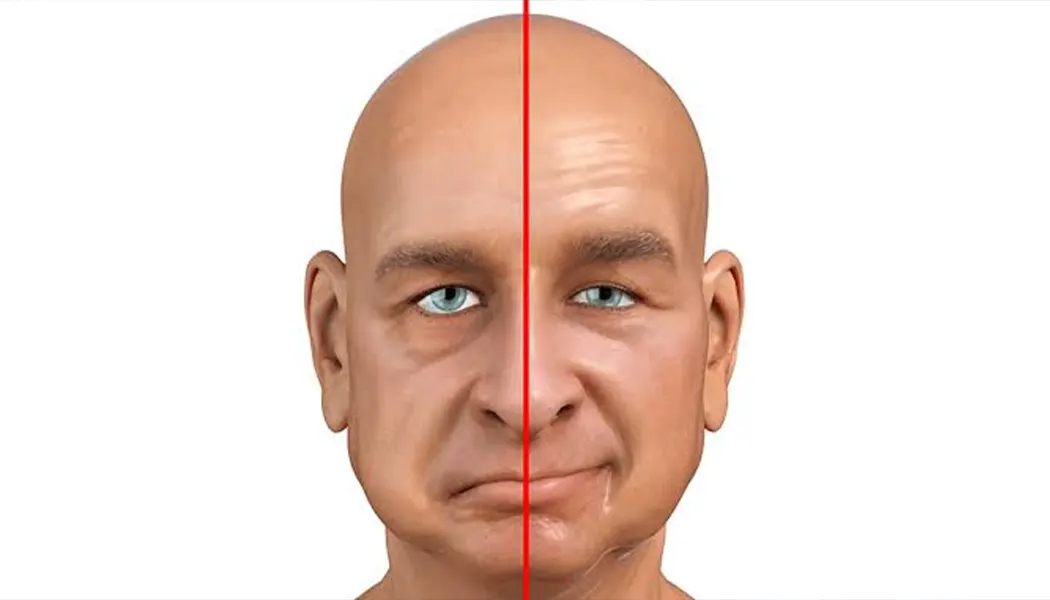
Bell’s Palsy is a sudden weakness or paralysis of the muscles on one side of the face caused by dysfunction of the facial nerve, also known as the seventh cranial nerve. It can make it difficult to smile, close the eye, raise the eyebrow, or control other facial movements. Symptoms usually develop quickly and may be accompanied by changes in taste, increased sensitivity to sound, or discomfort around the ear or jaw. At Pure Physio, rehabilitation focuses on appropriate facial movement exercises, muscle re-education, and functional support as part of an individualised recovery plan.
Bell’s Palsy is a condition that causes sudden weakness or paralysis of the muscles on one side of the face. It occurs when the facial nerve (cranial nerve VII) becomes inflamed, swollen, or otherwise affected, disrupting the signals it sends to the facial muscles. The facial nerve controls many movements, including closing the eye, raising the eyebrow, smiling, frowning, and other facial expressions. It also has roles in taste and certain other functions. The exact cause of Bell’s palsy is not always known, although inflammation of the facial nerve and a possible association with viral reactivation are considered important factors. Symptoms often develop over hours or a few days and can range from mild facial weakness to complete paralysis on one side. Because sudden facial weakness can also occur due to a stroke or other serious neurological conditions, urgent medical assessment is important, especially when symptoms first appear.
What Are The Symptoms Of Bell’s Palsy ?
Sudden Facial Weakness: Weakness usually affects one side of the face.
Facial Drooping: One side of the face may appear to droop.
Difficulty Smiling: The smile may become uneven or difficult to control.
Difficulty Closing the Eye: The affected eye may not close fully.
Difficulty Raising the Eyebrow: Raising the eyebrow on the affected side may be difficult.
Reduced Forehead Movement: Wrinkling the forehead may become difficult.
Drooping of the Corner of the Mouth: The mouth may pull towards the unaffected side.
Difficulty Drinking: Liquids may escape from the side of the mouth.
Difficulty Eating: Food may collect between the cheek and teeth.
Altered Taste: Taste may be reduced or changed, particularly on the front part of the tongue.
Increased Sensitivity to Sound: Sounds may seem unusually loud or uncomfortable in one ear.
Pain Around the Ear or Jaw: Some people experience discomfort before or during the onset of facial weakness.
Dry or Watery Eye: Difficulty closing the eye may affect normal tear distribution.
Dry Mouth: Some individuals experience changes in saliva production.
Difficulty with Facial Expressions: Frowning, puffing the cheeks, whistling, or other facial movements may be difficult.
Speech Changes: Facial weakness may affect the clarity of certain sounds.
Facial Tightness: During recovery, some people may experience tightness or abnormal facial movements.
Symptoms usually affect one side of the face and often develop rapidly.
Sudden facial weakness should always be medically assessed urgently to rule out a stroke or other serious cause.
What Are The Causes Of Bell’s Palsy ?
The exact cause of Bell’s palsy is not completely understood.
It is thought to involve inflammation or swelling of the facial nerve.
Possible contributing factors include:
Viral Reactivation: Reactivation of certain viruses may trigger inflammation of the facial nerve.
Facial Nerve Inflammation: Swelling of the nerve can affect its ability to transmit signals to facial muscles.
Facial Nerve Compression: Because the nerve passes through a narrow bony canal, swelling may increase pressure around the nerve.
Immune Response: An abnormal or excessive immune response may contribute to nerve inflammation.
Previous Viral Illness: Some individuals develop Bell’s palsy after a viral infection.
Pregnancy: The condition may occur more frequently during certain stages of pregnancy.
Diabetes: Diabetes is associated with an increased risk of facial nerve palsy.
Previous Bell’s Palsy: A previous episode may increase the possibility of recurrence in some individuals.
In many cases, no single definite cause can be identified.
Diagnosis Of Bell’s Palsy
Medical History: A healthcare professional will ask when symptoms began and whether facial weakness developed suddenly.
Facial Examination: The ability to raise the eyebrows, close the eyes, smile, show the teeth, and perform other facial movements is assessed.
Neurological Examination: Other neurological functions are checked to help rule out conditions such as stroke.
Eye Assessment: The ability to close and protect the eye is assessed.
Ear Examination: The ear may be examined for infection, rash, or other abnormalities.
Taste Assessment: Changes in taste may be discussed or assessed.
Hearing Assessment: Hearing changes or sound sensitivity may be evaluated when appropriate.
Blood Tests: Blood tests may be considered when another medical cause is suspected.
MRI or CT Scan: Imaging may be required when symptoms are unusual, severe, recurrent, gradually worsening, or suggest another neurological condition.
Electrophysiological Tests: In selected cases, nerve conduction studies or electromyography may help assess facial nerve and muscle function.
Bell’s palsy is generally diagnosed based on the clinical pattern of sudden one-sided facial weakness after other causes have been appropriately considered.
Treatment Of Bell’s Palsy
Treatment should begin with appropriate medical assessment.
Corticosteroid Medication: A doctor may prescribe corticosteroids, particularly when started early, to help improve recovery.
Antiviral Medication: Antiviral medication may be considered in selected cases, often depending on severity and clinical assessment.
Eye Protection: Protecting the eye is important when it cannot close fully. Lubricating drops, ointment, taping, or other protective measures may be recommended by a healthcare professional.
Physiotherapy: Selected individuals may benefit from rehabilitation focused on facial movement, muscle control, and functional recovery.
Facial Muscle Re-Education: Carefully controlled exercises may help improve awareness and movement quality during recovery.
Pain Management: A doctor may recommend suitable treatment for pain around the ear or face when required.
Psychological Support: Emotional support may be beneficial when facial changes affect confidence or wellbeing.
Specialist Referral: Persistent, recurrent, severe, or atypical symptoms may require assessment by a neurologist, ENT specialist, ophthalmologist, or other appropriate specialist.
Surgical Procedures: Surgery is rarely considered and is reserved for selected situations.
Recovery varies. Many individuals experience significant or complete improvement, although recovery can take weeks to months and some people may have residual weakness or develop abnormal involuntary facial movements.
What Is The Physiotherapy Treatment Of Bell’s Palsy
Detailed Assessment: At Pure Physio, we assess facial movement, muscle control, symmetry, eye closure, functional difficulties, and your stage of recovery.
Facial Muscle Re-Education: Therapy focuses on helping you perform facial movements in a controlled and coordinated manner.
Gentle Facial Movement Exercises: Carefully selected exercises may help practise movements such as raising the eyebrows, closing the eyes, smiling, and controlling the lips.
Movement Quality Training: Exercises focus on performing movements accurately rather than repeatedly forcing large movements.
Mirror Feedback Training: A mirror may be used to improve awareness of facial movement and symmetry.
Neuromuscular Re-Education: Rehabilitation aims to improve communication and coordination between the facial nerve and muscles as recovery occurs.
Symmetry Training: Exercises may help improve control of facial expressions and reduce unnecessary compensation.
Relaxation Techniques: Relaxation may help manage unwanted muscle tension during recovery.
Management of Synkinesis: If unwanted linked movements develop during recovery, specialised exercises may help improve selective muscle control.
Functional Training: Therapy may address practical activities such as eating, drinking, speaking, and facial expression.
Home Exercise Programme: A personalised programme provides appropriate exercises to practise between sessions.
Progress Monitoring: Your rehabilitation plan is reviewed according to changes in facial movement, control, symmetry, and functional ability.
Important: Facial exercises should be individually selected. Excessive, forceful, or uncontrolled repetitive facial exercises may not be appropriate for everyone.
Why Choose Pure Physio?
Detailed Facial Movement Assessment: We assess facial muscle activity, movement control, symmetry, and functional difficulties.
Personalised Rehabilitation Plans: Your programme is adapted according to the severity of weakness, stage of recovery, and individual goals.
Focus on Controlled Movement: Rehabilitation prioritises movement quality, coordination, and selective muscle control.
Facial Muscle Re-Education: We support the recovery of functional facial movements through appropriate rehabilitation techniques.
Mirror and Feedback Training: We use movement feedback to help improve awareness and control where appropriate.
Support for Everyday Activities: Therapy addresses difficulties with eating, drinking, speaking, eye closure, and facial expressions.
Management of Recovery Changes: Rehabilitation can be adapted if tightness, asymmetry, or unwanted associated movements develop.
Home Exercise Guidance: You receive a personalised programme to support safe and consistent rehabilitation.
Regular Progress Monitoring: Your treatment is reviewed and adjusted according to changes in facial movement and recovery.
Integrated Care Approach: When medical, neurological, ENT, or eye specialist care is required, rehabilitation can form part of a coordinated treatment plan.
Focused on Confidence and Function: Our goal is to support facial movement, improve functional control, and help you regain confidence throughout your recovery.
Start Your Recovery Journey Today
Don’t let pain, stiffness, or reduced mobility affect your daily life. Get personalised physiotherapy care designed around your condition and recovery goals.