
Autism
Support movement, strength, coordination, and everyday physical skills with personalised physiotherapy for autistic individuals.
Contents
Take the First Step Towards Better Movement
Our experienced physiotherapists are here to help you improve mobility, regain strength, and move with greater comfort and confidence.
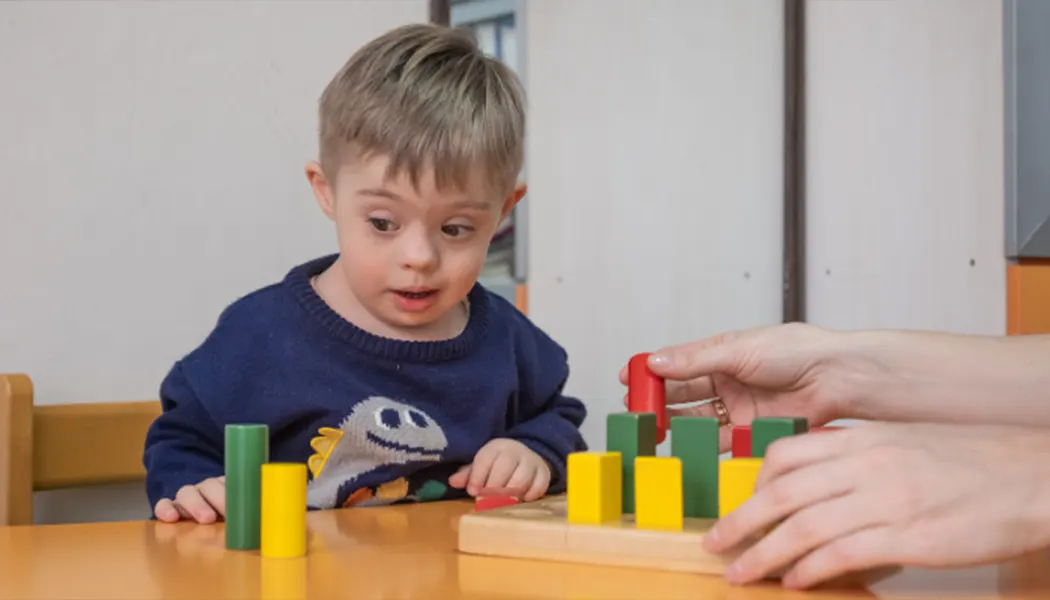
What is Autism?
Autism Spectrum Disorder (ASD) is a lifelong neurodevelopmental condition.
The term spectrum reflects the wide variation in how autism may be experienced.
Autistic individuals may have differences in:
Social Communication
Social Interaction
Sensory Processing
Patterns of Behaviour
Interests and Activities
Response to Change
Some autistic individuals may also experience differences in physical skills, including:
Motor Coordination
Balance
Posture
Muscle Tone
Body Awareness
Gross Motor Skills
Fine Motor Skills
Not every autistic person experiences the same challenges or requires the same type of support.
Autism is not an injury or condition that physiotherapy “cures.” Physiotherapy may support specific physical and functional needs where they are present.
What Are The Symptoms Of Autism?
The signs and characteristics of Autism Spectrum Disorder (ASD) can vary significantly from person to person. Common characteristics may include differences in social communication and interaction, such as difficulty understanding social cues, maintaining conversations, or expressing and interpreting emotions. Some autistic individuals may prefer routines and experience distress or discomfort when there are unexpected changes. Repetitive movements or behaviours, highly focused interests, and different patterns of play or activity may also be present. Sensory differences are common, meaning a person may be unusually sensitive or less responsive to sounds, lights, textures, smells, or other sensations. Some individuals may also experience differences in motor coordination, balance, posture, body awareness, or movement skills, which can affect activities such as running, jumping, climbing, handwriting, or participating in sports. The type and intensity of these characteristics vary widely, and every autistic person has a unique combination of strengths, needs, and experiences.
What Are The Causes Of Autism?
The exact cause of autism is not fully understood. It is believed to develop through a complex combination of factors.
Genetic Factors: Genetics play an important role in the likelihood of autism.
Brain Development Differences: Autism is associated with differences in early brain development and how the brain processes information.
Multiple Contributing Factors: Autism does not usually have one single cause and may involve a combination of genetic and developmental influences.
Family History: Autism may be more likely in some families due to shared genetic factors.
Prenatal and Developmental Factors: Certain factors during early development may contribute to the likelihood of autism in combination with genetic influences.
Autism is not caused by parenting style, and vaccines do not cause autism.
Diagnosis Of Autism
Autism is diagnosed through a comprehensive developmental assessment rather than a single blood test or scan.
Developmental History: Healthcare professionals gather information about early development, communication, behaviour, social interaction, and daily functioning.
Parent or Caregiver Interview: For children, parents or caregivers may provide important information about developmental milestones and behaviour across different environments.
Behavioural Observation: A trained professional observes communication, interaction, behaviour, play, interests, and responses in different situations.
Communication Assessment: Speech, language, and communication abilities may be assessed when appropriate.
Social Interaction Assessment: Social communication and interaction patterns are evaluated.
Sensory Assessment: Sensory responses and sensitivities may be explored where relevant.
Functional Assessment: Everyday skills, independence, learning, and participation may be assessed.
Motor Assessment: Movement, coordination, balance, posture, strength, and gross motor skills may be assessed when physical concerns are present.
Multidisciplinary Assessment: Diagnosis may involve professionals such as paediatricians, developmental specialists, psychologists, speech and language therapists, and occupational therapists.
There is no single medical test that can independently diagnose autism.
Treatment Of Autism
Autism itself does not require a “cure.” Support is based on the individual’s needs, strengths, goals, and preferences.
Individualised Support: Support plans should be tailored to the person’s specific abilities, needs, and daily environment.
Communication Support: Speech and language therapy or other communication strategies may support individuals with communication needs.
Occupational Therapy: Occupational therapy may support daily activities, independence, sensory needs, and functional skills.
Physiotherapy: Physiotherapy can support movement, coordination, balance, strength, posture, mobility, and participation when physical needs are present.
Educational Support: Individualised strategies may support learning and participation at school or in other educational settings.
Sensory-Aware Strategies: Adjustments to the environment and approach may help individuals who experience sensory sensitivities.
Physical Activity: Enjoyable and appropriate physical activities can support fitness, movement skills, confidence, and overall wellbeing.
Family and Caregiver Support: Families and caregivers may benefit from practical guidance and support tailored to everyday routines.
Medical Care: Co-occurring medical conditions should be assessed and managed by appropriate healthcare professionals.
What Is The Physiotherapy Treatment Of Autism
Detailed Physical Assessment: At Pure Physio, we assess movement, posture, balance, coordination, strength, mobility, physical activity, and functional goals based on the individual’s needs.
Individualised Physiotherapy Programme: Treatment is tailored to the person’s age, abilities, preferences, sensory needs, communication style, and functional goals.
Motor Skills Training: Activities may support the development and improvement of gross motor skills such as running, jumping, climbing, and changing direction.
Balance Training: Targeted activities can help improve stability and confidence during standing and movement.
Coordination Exercises: Carefully selected activities may help improve body coordination and movement control.
Strengthening Activities: Functional exercises can help build strength in an engaging and appropriate way.
Postural Training: Physiotherapy may address posture and the strength and control required for comfortable daily movement.
Body Awareness Activities: Movement-based activities may help develop awareness of body position and movement.
Walking and Mobility Training: Therapy may support safe and efficient walking or other mobility goals when required.
Functional Movement Practice: Exercises focus on practical activities that are meaningful to the individual.
Play-Based Physiotherapy: For children, therapy may use play and enjoyable activities to encourage participation and movement development.
Sensory-Aware Approach: The therapy environment, communication style, activities, and progression can be adapted according to sensory preferences and needs.
Gradual Exercise Progression: Activities are progressed according to comfort, participation, ability, and individual goals.
Physical Activity Guidance: We help identify suitable and enjoyable ways to support regular physical activity.
Home Exercise and Activity Guidance: Families and caregivers can receive practical strategies to support movement and physical activity between sessions.
Progress Monitoring: Goals and activities are regularly reviewed and adjusted according to functional progress and individual needs.
Why Choose Pure Physio?
Individual-Centred Care: We focus on the individual’s unique strengths, physical needs, preferences, and personal goals.
Comprehensive Physical Assessment: We assess movement, balance, coordination, posture, strength, mobility, and everyday physical function.
Personalised Physiotherapy Plans: Each programme is adapted according to age, ability, communication style, sensory preferences, and functional goals.
Sensory-Aware Approach: We aim to create a supportive and comfortable therapy experience while adapting activities where appropriate.
Focus on Functional Skills: Therapy targets meaningful activities that support everyday movement, play, physical activity, mobility, and independence.
Improve Movement Confidence: Carefully selected activities help individuals develop confidence in their physical abilities.
Support Balance and Coordination: Targeted exercises can address specific movement and motor skill goals.
Strength and Physical Activity Support: Physiotherapy encourages safe, appropriate, and enjoyable movement based on individual abilities.
Play-Based Therapy Options: Engaging activities can help children participate in movement and rehabilitation goals.
Family and Caregiver Guidance: Practical strategies can help support physical activity and movement goals outside therapy sessions.
Goal-Based Rehabilitation: Treatment is guided by meaningful and achievable goals relevant to the individual and their family.
Regular Progress Monitoring: Therapy is reviewed and adapted according to progress, participation, and changing needs.
Collaborative Care: We can work alongside families, doctors, occupational therapists, speech and language therapists, educators, and other healthcare professionals when appropriate.
Focused on Participation and Quality of Life: Our goal is to support comfortable movement, physical confidence, functional ability, and participation in the activities that matter to each individual.
Start Your Recovery Journey Today
Don’t let pain, stiffness, or reduced mobility affect your daily life. Get personalised physiotherapy care designed around your condition and recovery goals.