Asthma
Breathe easier, improve physical confidence, and stay active with personalised physiotherapy support for asthma.
Contents
Take the First Step Towards Better Movement
Our experienced physiotherapists are here to help you improve mobility, regain strength, and move with greater comfort and confidence.
What is Asthma?
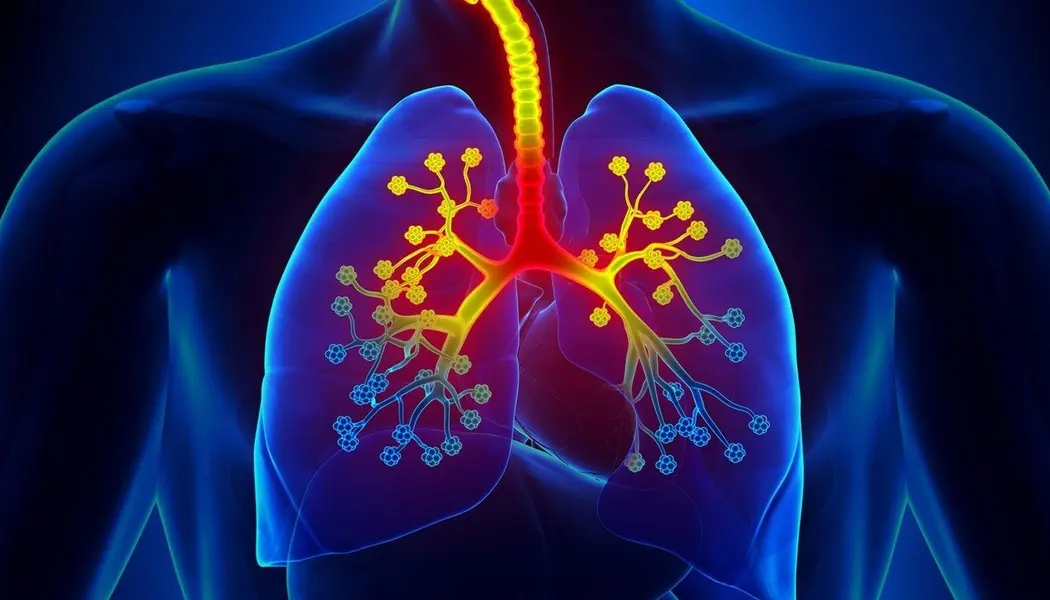
Asthma is a long-term condition that affects the airways in the lungs. The airways can become inflamed and sensitive, causing them to narrow and making it harder to breathe. Symptoms may include wheezing, coughing, shortness of breath, and chest tightness. These symptoms can vary over time and may be triggered by factors such as exercise, allergens, cold air, respiratory infections, smoke, or other irritants. At Pure Physio, physiotherapy can support breathing awareness, physical conditioning, exercise tolerance, and overall fitness alongside appropriate medical asthma management.
Asthma is a chronic respiratory condition in which the airways become inflamed and overly sensitive to certain triggers. During an asthma episode or flare-up, the muscles around the airways can tighten, the airway lining can become swollen, and mucus production may increase. This can narrow the airways and make breathing more difficult. Asthma symptoms often vary from person to person and can change over time. Some individuals experience occasional mild symptoms, while others may have more frequent or severe attacks. With appropriate medical treatment, trigger management, and an individualised asthma action plan where recommended, many people with asthma can remain physically active and manage their symptoms effectively.
What Are The Symptoms Of Asthma?
Wheezing: A whistling sound may occur when breathing, particularly during exhalation.
Shortness of Breath: You may feel that it is difficult to get enough air.
Chest Tightness: The chest may feel tight, heavy, or restricted.
Coughing: A persistent or recurring cough may occur.
Night-Time Coughing: Symptoms may become worse during the night or early morning.
Exercise-Related Symptoms: Coughing, wheezing, or breathlessness may occur during or after exercise.
Difficulty Taking a Deep Breath: Breathing may feel restricted or uncomfortable.
Rapid Breathing: Breathing may become faster during an asthma flare-up.
Fatigue: Poor sleep or increased effort during breathing may contribute to tiredness.
Reduced Exercise Tolerance: Breathlessness or symptoms may make physical activity more difficult.
Difficulty Speaking During Severe Symptoms: During a severe asthma attack, it may become difficult to speak comfortably in full sentences.
Symptoms may come and go and can vary in severity.
Severe breathlessness, worsening symptoms despite reliever medication, difficulty speaking, blue or grey lips, extreme exhaustion, or confusion require urgent medical attention.
What Are The Causes Of Asthma?
The exact cause of asthma is complex and can involve a combination of genetic and environmental factors.
Common triggers include:
Allergens: Dust mites, pollen, mould, and animal dander can trigger symptoms in some people.
Respiratory Infections: Colds and other respiratory infections can worsen asthma symptoms.
Exercise: Physical activity can trigger symptoms in some individuals, particularly if asthma is not well controlled.
Cold Air: Cold or dry air may irritate sensitive airways.
Smoke: Tobacco smoke and other forms of smoke can trigger or worsen symptoms.
Air Pollution: Pollution and airborne irritants can affect breathing.
Strong Smells and Chemicals: Perfumes, cleaning products, sprays, and other irritants may trigger symptoms.
Weather Changes: Changes in temperature and humidity may affect some individuals.
Stress and Strong Emotions: Stress can contribute to breathing changes and may worsen symptoms in some people.
Occupational Exposure: Dust, chemicals, fumes, or other substances at work can trigger occupational asthma.
Certain Medications: Some medications can trigger symptoms in susceptible individuals.
Family History: A family history of asthma or allergic conditions may increase susceptibility.
Triggers differ between individuals, so identifying your personal triggers can be helpful.
Diagnosis Of Asthma
Medical History: A healthcare professional will ask about wheezing, coughing, breathlessness, symptom patterns, triggers, and family history.
Physical Examination: Your chest and breathing may be examined.
Spirometry: A breathing test measures how much air you can breathe out and how quickly you can exhale.
Bronchodilator Reversibility Testing: Lung function may be measured before and after using a bronchodilator medicine.
Peak Flow Monitoring: Repeated measurements of how quickly air can be blown out of the lungs may help identify variability in airway function.
FeNO Testing: Fractional exhaled nitric oxide testing may help identify certain types of airway inflammation.
Allergy Testing: Allergy tests may be considered when allergic triggers are suspected.
Exercise Testing: Testing may be used in selected cases when exercise-related symptoms are suspected.
Additional Tests: Further investigations may be required to exclude other causes of breathing problems.
Diagnosis is based on a combination of symptoms, medical assessment, and appropriate lung function testing.
Treatment Of Asthma
Asthma treatment is individualised according to symptom frequency, severity, and the person’s response to treatment.
Reliever Inhalers: These medicines can help relax the airway muscles and provide rapid relief from symptoms.
Preventer Inhalers: These medicines help reduce airway inflammation and are used regularly as prescribed.
Combination Inhalers: Some inhalers contain more than one type of asthma medicine.
Personalised Asthma Action Plan: A written plan may help you recognise worsening symptoms and understand when to adjust treatment or seek medical help.
Correct Inhaler Technique: Using an inhaler correctly is important for ensuring that medication reaches the lungs effectively.
Trigger Management: Reducing exposure to personal triggers may help improve asthma control.
Regular Medical Review: Asthma treatment may need to be reviewed and adjusted over time.
Physical Activity: Appropriate exercise can support cardiovascular fitness and overall health when asthma is adequately controlled.
Weight Management: Maintaining a healthy body weight may support breathing and asthma control.
Smoking Cessation: Avoiding smoking and second-hand smoke is important for respiratory health.
Vaccination: Appropriate vaccinations may be recommended based on individual medical advice.
Asthma medication should be used according to the advice of a qualified healthcare professional.
What Is The Physiotherapy Treatment Of Asthma
Physiotherapy is not a replacement for prescribed asthma medication, but it may support physical function, exercise tolerance, and breathing-related rehabilitation.
Detailed Assessment: At Pure Physio, we assess your breathing pattern, physical activity levels, exercise tolerance, posture, mobility, and functional limitations.
Breathing Awareness: We help you understand your breathing pattern and identify unnecessary upper-chest or accessory muscle overuse when relevant.
Breathing Control Techniques: Carefully selected breathing techniques may help improve breathing awareness and support symptom management alongside medical treatment.
Diaphragmatic Breathing: Appropriate training may encourage efficient use of the diaphragm when suitable.
Relaxation Techniques: Relaxation strategies can help reduce unnecessary muscle tension and support calm breathing.
Thoracic Mobility Exercises: Exercises may help maintain comfortable movement of the chest and upper back.
Postural Training: Improving posture can support comfortable movement and reduce unnecessary muscular tension around the chest and shoulders.
Aerobic Conditioning: Gradual exercise can improve cardiovascular fitness and physical endurance.
Graded Exercise Programme: Physical activity is progressed according to your fitness level, symptoms, and medical advice.
Warm-Up and Cool-Down Guidance: Appropriate preparation and recovery can help some individuals manage exercise-related symptoms.
Exercise Confidence: Rehabilitation supports a gradual and confident return to appropriate physical activity.
Physical Conditioning: Strength and endurance exercises may help improve general fitness and reduce deconditioning.
Education: We provide guidance on pacing, recognising exercise-related symptoms, and knowing when activity should be reduced.
Home Exercise Programme: A personalised programme supports regular physical activity according to your ability and asthma control.
Progress Monitoring: Your programme is reviewed and adjusted according to your symptoms, exercise tolerance, and physical goals.
Important: Exercise should be modified or stopped if you develop significant wheezing, chest tightness, severe breathlessness, or worsening asthma symptoms. Follow your prescribed asthma action plan and seek medical advice when needed.
Why Choose Pure Physio?
Individualised Assessment: We assess your breathing-related physical function, exercise tolerance, posture, mobility, and activity goals.
Personalised Exercise Plans: Your programme is adapted according to your fitness level, asthma control, symptoms, and individual needs.
Focus on Safe Physical Activity: We help you build confidence with appropriate exercise while respecting your symptoms and medical management plan.
Breathing and Movement Support: Rehabilitation can address breathing awareness, posture, chest mobility, and unnecessary muscle tension when relevant.
Gradual Fitness Progression: Exercise is progressed carefully to improve endurance and overall physical capacity.
Support for Exercise-Related Symptoms: We provide guidance on warm-ups, pacing, and appropriate activity modification.
Postural and Thoracic Mobility Training: Treatment can help maintain comfortable movement through the upper body.
Functional Rehabilitation: We support the physical activities that matter to you, from daily tasks to exercise and sport.
Education and Self-Management: We provide practical guidance to help you understand physical activity and symptom management.
Regular Progress Monitoring: Your programme is reviewed and adapted according to your changing fitness and functional needs.
Integrated Care Approach: Physiotherapy can complement care from doctors, respiratory specialists, and other healthcare professionals.
Focused on Confidence and Quality of Life: Our goal is to help you stay active, improve physical fitness, and move with greater confidence while supporting safe and appropriate asthma management.
Start Your Recovery Journey Today
Don’t let pain, stiffness, or reduced mobility affect your daily life. Get personalised physiotherapy care designed around your condition and recovery goals.