Arthritis
Manage joint pain, improve mobility, and stay active with personalised physiotherapy designed to support your joints and everyday movement.
Contents
Take the First Step Towards Better Movement
Our experienced physiotherapists are here to help you improve mobility, regain strength, and move with greater comfort and confidence.
What is Arthritis?
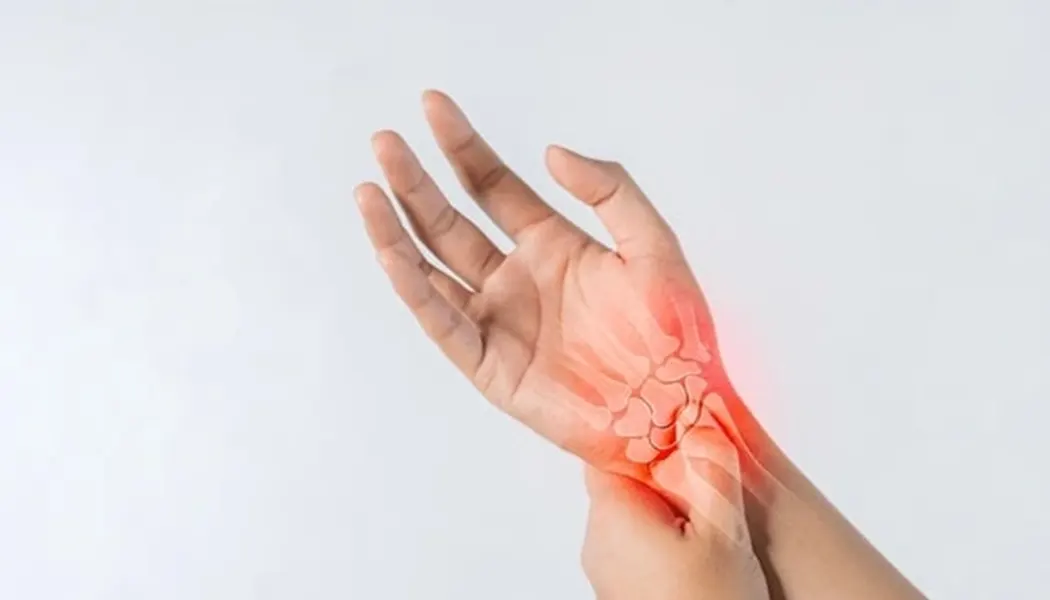
Arthritis is a general term used for conditions that affect the joints and surrounding tissues, often causing pain, stiffness, swelling, and reduced movement. There are many different types of arthritis, including osteoarthritis, rheumatoid arthritis, psoriatic arthritis, gout, and other inflammatory joint conditions. Symptoms and treatment can vary depending on the type of arthritis and the joints involved. At Pure Physio, physiotherapy focuses on maintaining joint mobility, improving muscle strength, managing pain and stiffness, supporting safe physical activity, and helping you stay independent in everyday life.
Arthritis refers to a group of conditions that cause problems affecting the:
Joints
Joint Lining
Cartilage
Bones
Surrounding Soft Tissues
A joint is where two or more bones meet.
Healthy joints allow the body to move smoothly.
When arthritis affects a joint, it may cause:
Pain
Stiffness
Swelling
Inflammation
Reduced Movement
There are more than one type of arthritis, and each can affect the body differently.
Osteoarthritis
Osteoarthritis involves changes in the joint structures over time.
It commonly affects the:
Knees
Hips
Hands
Spine
Feet
Rheumatoid Arthritis
Rheumatoid arthritis is an autoimmune inflammatory condition in which the immune system attacks the lining of the joints.
Psoriatic Arthritis
Psoriatic arthritis is an inflammatory form of arthritis associated with psoriasis.
Gout
Gout is a form of inflammatory arthritis caused by the buildup of urate crystals within a joint.
Other forms of arthritis can also affect:
The Spine
Tendons
Ligaments
Other Connective Tissues
Because different types of arthritis require different treatments, an accurate diagnosis is important.
What Are The Symptoms Of Arthritis?
Symptoms can vary depending on the type and severity of arthritis.
Joint Pain: Pain may be mild, moderate, or severe.
Joint Stiffness: Joints may feel difficult to move, particularly after rest.
Morning Stiffness: Some forms of inflammatory arthritis can cause prolonged stiffness after waking.
Joint Swelling: The affected joint may appear swollen.
Joint Warmth: Inflamed joints may feel warm.
Reduced Range of Motion: Pain and structural changes can limit movement.
Tenderness: The joint or surrounding tissues may be sensitive to touch.
Difficulty Walking: Arthritis affecting the hips, knees, ankles, or feet may affect mobility.
Difficulty Using the Hands: Hand arthritis can make gripping and fine tasks difficult.
Muscle Weakness: Reduced activity and pain can lead to loss of muscle strength.
Joint Instability: Some people may feel that a joint is weak or unstable.
Clicking or Grinding: Certain joints may make noises during movement.
Fatigue: Inflammatory arthritis can cause general tiredness and fatigue.
Joint Deformity: Long-standing or severe arthritis can lead to changes in joint shape in some conditions.
Reduced Physical Activity: Pain and stiffness may make exercise and daily activities more difficult.
Symptoms Affecting Multiple Joints: Some types of arthritis can affect several joints throughout the body.
Sudden severe joint pain with marked swelling, redness, warmth, fever, or feeling unwell requires prompt medical assessment.
What Are The Causes Of Arthritis?
The causes depend on the specific type of arthritis.
Causes and Factors Associated with Osteoarthritis
Age-Related Joint Changes: Joint structures can gradually change over time.
Previous Joint Injury: A past fracture, ligament injury, or other joint trauma can increase the risk.
Repeated Joint Loading: Certain work, sports, or activities may place repeated stress on specific joints.
Obesity: Increased body weight can increase the load on weight-bearing joints.
Genetic Factors: Family history may influence the risk.
Joint Shape or Alignment: Certain anatomical factors may affect how forces are distributed across a joint.
Causes and Factors Associated with Inflammatory Arthritis
Autoimmune Activity: The immune system mistakenly attacks healthy joint tissues.
Genetic Factors: Certain genes may increase susceptibility.
Environmental Factors: Environmental triggers may contribute in genetically susceptible individuals.
Causes of Gout
Urate Crystal Buildup: High levels of uric acid can lead to crystal formation within joints.
Other Causes
Infection: Some infections can cause arthritis.
Metabolic Conditions: Certain metabolic disorders can affect the joints.
Other Autoimmune Diseases: Some systemic conditions can cause inflammatory joint symptoms.
The cause should be identified because treatment differs between different types of arthritis.
Diagnosis Of Arthritis
Medical History: A healthcare professional will ask about pain, stiffness, swelling, symptom duration, previous injuries, family history, and other health conditions.
Physical Examination: The joints are assessed for swelling, warmth, tenderness, movement, strength, and stability.
Functional Assessment: Walking, gripping, stairs, dressing, work tasks, and other daily activities may be evaluated.
Blood Tests: Blood tests may help identify inflammation, autoimmune markers, uric acid levels, or other underlying causes.
X-Rays: X-rays can show joint changes, bone alignment, and certain signs of arthritis.
Ultrasound: Ultrasound may help identify joint inflammation and soft-tissue changes.
MRI: MRI can provide detailed images of cartilage, bone, joint structures, and surrounding tissues.
Joint Fluid Analysis: Fluid may be removed from a swollen joint and tested for infection, crystals, or other causes.
Specialist Assessment: A rheumatologist may assess suspected inflammatory or autoimmune arthritis.
Diagnosis is based on the person’s symptoms, physical examination, medical history, and appropriate investigations.
Treatment Of Arthritis
Treatment depends on the type of arthritis, severity, joints affected, and individual health needs.
Physiotherapy: A personalised rehabilitation programme can help maintain movement, strength, and physical function.
Exercise: Regular, appropriately prescribed exercise can help support joint mobility and muscle strength.
Pain Management: A doctor may recommend appropriate medication to manage pain.
Anti-Inflammatory Medication: Certain types of arthritis may require medicines to reduce inflammation.
Disease-Modifying Medication: Inflammatory arthritis may require disease-modifying medicines prescribed by a specialist.
Biologic Therapy: Some autoimmune or inflammatory conditions may be treated with targeted biological medicines.
Joint Injections: Injections may be considered for selected joint conditions.
Weight Management: Maintaining a healthy body weight can reduce load on weight-bearing joints.
Activity Modification: Temporary changes to activities may help manage symptoms.
Heat Therapy: Heat may help relieve stiffness and muscle tightness for some individuals.
Cold Therapy: Cold may help manage pain or swelling after appropriate guidance.
Assistive Devices: Braces, walking aids, or other equipment may support mobility when required.
Occupational Therapy: Support may be provided for hand function and adapting daily activities.
Surgery: Joint replacement or other surgical procedures may be considered when severe joint damage significantly affects quality of life and function.
What Is The Physiotherapy Treatment Of Arthritis
Detailed Assessment: At Pure Physio, we assess your affected joints, pain, stiffness, swelling, movement, muscle strength, balance, walking, daily activities, and personal goals.
Individualised Exercise Programme: Exercises are selected according to the type of arthritis, affected joints, symptoms, and current physical ability.
Joint Mobility Exercises: Gentle movement helps maintain available joint range and reduce the effects of stiffness.
Strengthening Exercises: Building strength in the muscles around affected joints can improve support and physical function.
Flexibility Exercises: Carefully selected stretches may help maintain comfortable movement.
Low-Impact Aerobic Exercise: Walking, cycling, swimming, or other suitable activities can support cardiovascular fitness and joint health.
Balance Training: Exercises may improve stability and confidence during standing and walking.
Gait Training: Rehabilitation can address changes in walking caused by pain, weakness, stiffness, or joint changes.
Functional Movement Training: Therapy focuses on practical movements such as sitting, standing, walking, climbing stairs, lifting, reaching, and other everyday activities.
Pain Management Strategies: Appropriate physiotherapy approaches may help manage musculoskeletal discomfort.
Joint Protection Education: We provide guidance on reducing unnecessary stress on affected joints.
Activity Pacing: Practical strategies can help balance exercise, daily activities, rest, and recovery.
Exercise Modification During Flares: Exercise may be adapted when inflammatory symptoms increase.
Postural Training: Rehabilitation may address posture and movement patterns that affect joint loading.
Home Exercise Programme: A personalised programme supports regular movement and long-term joint health.
Regular Progress Monitoring: Your rehabilitation plan is reviewed and adjusted according to symptoms, function, and progress.
Physiotherapy does not cure every form of arthritis, but it can play an important role in maintaining mobility, strength, independence, and quality of life.
Why Choose Pure Physio?
Detailed Individual Assessment: We assess your type of arthritis, affected joints, symptoms, movement, strength, and functional limitations.
Personalised Rehabilitation Plans: Your treatment programme is adapted to your condition, symptoms, lifestyle, and personal goals.
Focus on Mobility and Function: Rehabilitation aims to help you move more comfortably and continue participating in everyday activities.
Strength and Joint Support: We focus on improving the muscle strength needed to support affected joints.
Pain and Stiffness Management: Appropriate exercises and physiotherapy strategies help address the impact of joint symptoms.
Safe Exercise Progression: Activities are selected and progressed according to your physical ability and response.
Low-Impact Activity Guidance: We help identify suitable ways to stay physically active while considering joint comfort.
Support During Symptom Changes: Your programme can be modified during periods of increased pain, stiffness, or inflammatory activity.
Functional Rehabilitation: Treatment focuses on the movements and activities that matter most in your daily life.
Education for Self-Management: We provide practical guidance on exercise, activity pacing, joint protection, and long-term physical health.
Integrated Care Approach: We can work alongside rheumatologists, orthopaedic specialists, physicians, and other healthcare professionals when required.
Focused on Long-Term Independence: Our goal is to help you maintain mobility, stay active, and manage your joint health with greater confidence.
Start Your Recovery Journey Today
Don’t let pain, stiffness, or reduced mobility affect your daily life. Get personalised physiotherapy care designed around your condition and recovery goals.