Anterior Cruciate Ligament Tear
Rebuild knee strength, restore stability, and return confidently to everyday activities and sport with personalised ACL rehabilitation.
Contents
Take the First Step Towards Better Movement
Our experienced physiotherapists are here to help you improve mobility, regain strength, and move with greater comfort and confidence.
What is Anterior Cruciate Ligament Tear?
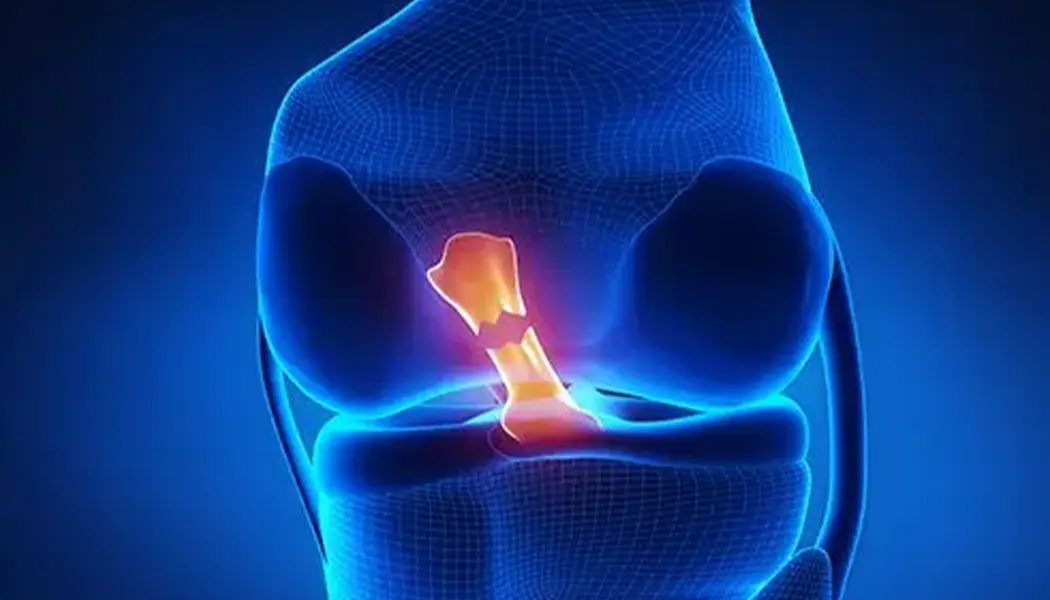
An Anterior Cruciate Ligament (ACL) Tear is an injury to one of the major ligaments that helps stabilise the knee. The ACL connects the thigh bone to the shin bone and plays an important role in controlling knee movement, especially during twisting, pivoting, sudden stopping, landing, and changing direction. An ACL tear may cause a popping sensation, swelling, pain, and a feeling that the knee is unstable or “giving way.” Treatment may involve structured physiotherapy alone or ACL reconstruction surgery followed by rehabilitation, depending on the injury and individual needs. At Pure Physio, rehabilitation focuses on restoring knee movement, strength, balance, stability, and functional confidence through a carefully progressed recovery programme.
The Anterior Cruciate Ligament, commonly called the:
ACL
is one of the four major ligaments of the knee.
It connects the:
Femur
also known as the:
Thigh Bone
to the:
Tibia
also known as the:
Shin Bone
The ACL helps control:
Forward Movement of the Tibia
Rotational Movement of the Knee
Knee Stability During Twisting
Sudden Changes in Direction
Landing Movements
Pivoting Activities
An ACL injury can range from:
A Mild Sprain
to
A Partial Tear
or
A Complete Tear
A complete tear may significantly affect knee stability, particularly during activities involving:
Running
Jumping
Pivoting
Cutting
Rapid Direction Changes
ACL tears can occur alone or alongside injuries to other knee structures, such as the:
Meniscus
Medial Collateral Ligament (MCL)
Articular Cartilage
What Are The Symptoms Of Anterior Cruciate Ligament Tear?
Popping Sensation: Some people hear or feel a pop at the time of injury.
Sudden Knee Pain: Pain may occur immediately after the injury.
Rapid Swelling: The knee may swell within a few hours due to bleeding inside the joint.
Knee Instability: The knee may feel unstable or unable to support normal movement.
Giving-Way Sensation: The knee may buckle during walking or turning.
Difficulty Continuing Activity: Many people are unable to continue playing or exercising after the injury.
Reduced Range of Motion: Bending or straightening the knee may become difficult.
Difficulty Walking: Pain, swelling, or instability may cause limping.
Pain During Twisting: Rotational movements may increase discomfort or instability.
Difficulty Changing Direction: Pivoting or cutting movements may feel unsafe.
Reduced Confidence in the Knee: A person may avoid certain movements because of fear of the knee giving way.
Muscle Weakness: The quadriceps and other muscles may weaken after the injury.
Loss of Balance or Control: Knee control may be reduced, particularly during single-leg activities.
ACL tears may sometimes occur with relatively little pain after the initial injury, so a feeling of instability should still be properly assessed.
What Are The Causes Of Anterior Cruciate Ligament Tear?
ACL tears commonly occur when excessive force is placed on the knee during a sudden movement.
Non-Contact Injuries
Many ACL tears occur without direct contact.
Common mechanisms include:
Sudden Change of Direction
Pivoting on a Fixed Foot
Sudden Deceleration
Awkward Landing After a Jump
Hyperextension of the Knee
Rapid Twisting Movement
Contact Injuries
A direct force to the knee during sport or an accident can also tear the ACL.
Other contributing factors may include:
Sports Participation: Football, basketball, cricket, skiing, rugby, and other pivoting or jumping sports can increase risk.
Poor Landing Mechanics: Reduced control during landing may increase stress on the knee.
Muscle Weakness: Reduced lower-limb strength may affect movement control.
Reduced Neuromuscular Control: Poor coordination during rapid movements can increase injury risk.
Previous Knee Injury: Previous injuries may affect knee movement and stability.
Fatigue: Muscle fatigue may reduce movement control.
Anatomical Factors: Individual differences in knee structure may influence injury risk.
Inadequate Conditioning: Returning to demanding activity without sufficient strength and conditioning can increase risk.
Diagnosis Of Anterior Cruciate Ligament Tear
Medical History: A healthcare professional will ask how the injury happened and about symptoms such as a pop, immediate swelling, pain, and instability.
Physical Examination: The knee is assessed for swelling, movement, tenderness, and stability.
Lachman Test: A common clinical test used to assess ACL stability.
Anterior Drawer Test: This assesses forward movement of the tibia relative to the femur.
Pivot Shift Test: This may assess rotational instability of the knee.
Range of Motion Assessment: Knee bending and straightening are evaluated.
Strength Assessment: Quadriceps, hamstring, and other lower-limb muscles may be assessed.
Functional Assessment: Walking, balance, and movement control may be evaluated when appropriate.
X-Rays: X-rays may be used to rule out fractures or other bony injuries.
MRI: MRI is commonly used to assess the ACL and identify associated injuries to the meniscus, cartilage, or other ligaments.
A proper assessment is important because associated injuries can affect treatment and rehabilitation planning.
Treatment Of Anterior Cruciate Ligament Tear
Treatment depends on the:
Severity of the Injury
Knee Stability
Associated Injuries
Age and Overall Health
Activity Level
Sporting Goals
Daily Functional Requirements
Non-Surgical Management
Some individuals may successfully manage an ACL tear without surgery through a structured rehabilitation programme.
This may include:
Physiotherapy
Strength Training
Balance and Neuromuscular Training
Movement Re-Education
Activity Modification
Progressive Functional Rehabilitation
This approach may be suitable for selected individuals depending on their knee stability and activity requirements.
ACL Reconstruction Surgery
ACL reconstruction may be considered for individuals with:
Persistent Knee Instability
High-Demand Sporting Goals
Associated Knee Injuries
Repeated Giving-Way Episodes
During reconstruction, a graft is used to create a new ACL.
Rehabilitation is an essential part of recovery after surgery.
Other Management
Pain Management: A doctor may recommend appropriate medication.
Swelling Management: Appropriate measures may help control swelling.
Bracing: A brace may be used in selected cases.
Prehabilitation: Physiotherapy before surgery can help improve knee movement and strength before reconstruction.
Gradual Return to Activity: Demanding activities are reintroduced only after appropriate functional recovery.
Recovery time varies significantly, and return to sport should be based on healing, strength, function, movement quality, and appropriate clinical assessment rather than time alone.
What Is The Physiotherapy Treatment Of Anterior Cruciate Ligament Tear
Physiotherapy is important for both non-surgical ACL management and recovery after ACL reconstruction.
Early Rehabilitation
Swelling Management: Appropriate strategies may help manage knee swelling.
Restoring Knee Movement: Exercises aim to gradually restore comfortable knee bending and full extension.
Quadriceps Activation: Early exercises help restore activation of the thigh muscles.
Safe Walking: Gait training helps improve walking as pain and swelling reduce.
Weight-Bearing Progression: Weight-bearing is progressed according to the injury or post-operative protocol.
Strengthening Phase
Quadriceps Strengthening: Progressive exercises rebuild the strength of the muscles at the front of the thigh.
Hamstring Strengthening: Exercises improve the strength and control of the muscles at the back of the thigh.
Hip and Gluteal Strengthening: Strong hip muscles support lower-limb alignment and movement control.
Calf Strengthening: Exercises restore lower-limb strength and functional push-off.
Neuromuscular Rehabilitation
Balance Training: Exercises improve stability and body awareness.
Proprioception Training: Rehabilitation helps restore awareness of knee position and movement.
Single-Leg Control: Exercises improve stability during single-leg standing and movement.
Movement Re-Education: We address knee control during squatting, stepping, lunging, and other functional movements.
Advanced Rehabilitation
Functional Strength Training: Exercises prepare the knee for everyday and higher-level physical activities.
Running Progression: Running may be gradually introduced when appropriate recovery milestones are achieved.
Jumping and Landing Training: Exercises help develop safe landing technique and force control.
Agility Training: Direction changes and sport-specific movements are progressively introduced when appropriate.
Plyometric Training: Explosive exercises may be used during later rehabilitation stages for suitable individuals.
Sport-Specific Rehabilitation: Training is tailored to the physical demands of your sport.
Return-to-Sport Testing: Strength, balance, movement quality, hop performance, and functional ability may be assessed before return to demanding sport.
Home Exercise Programme: A personalised programme supports continued progress between sessions.
Regular Progress Monitoring: Your rehabilitation plan is adjusted according to movement, strength, stability, and functional recovery.
Why Choose Pure Physio?
Detailed Knee Assessment: We assess your knee movement, swelling, strength, stability, balance, walking, and functional goals.
Personalised Rehabilitation Plans: Your programme is adapted according to whether you are managing the injury non-surgically or recovering after ACL reconstruction.
Pre and Post-Surgical Rehabilitation: We can support your recovery before and after surgery through structured physiotherapy.
Progressive Strength Recovery: Rehabilitation focuses on rebuilding quadriceps, hamstring, hip, and overall lower-limb strength.
Focus on Knee Stability: Exercises are designed to improve balance, coordination, movement control, and confidence.
Safe Rehabilitation Progression: Your programme progresses according to your recovery and functional ability.
Functional Movement Training: We prepare you for walking, stairs, work, exercise, and the movements important to your lifestyle.
Advanced Sports Rehabilitation: For athletes and active individuals, rehabilitation can progress towards running, jumping, landing, agility, and sport-specific demands.
Return-to-Sport Assessment: Functional testing helps guide safe progression towards higher-level activities.
Regular Progress Monitoring: Your treatment plan is reviewed and adjusted throughout your recovery.
Integrated Care Approach: We can work alongside orthopaedic surgeons and other healthcare professionals to support coordinated rehabilitation.
Focused on Confident Recovery: Our goal is to help you restore strength, movement, stability, and confidence so you can safely return to the activities that matter to you.
Start Your Recovery Journey Today
Don’t let pain, stiffness, or reduced mobility affect your daily life. Get personalised physiotherapy care designed around your condition and recovery goals.