
Ankylosing Spondylitis
Manage pain and stiffness, improve mobility and posture, and stay active with personalised physiotherapy for Ankylosing Spondylitis.
Contents
Take the First Step Towards Better Movement
Our experienced physiotherapists are here to help you improve mobility, regain strength, and move with greater comfort and confidence.
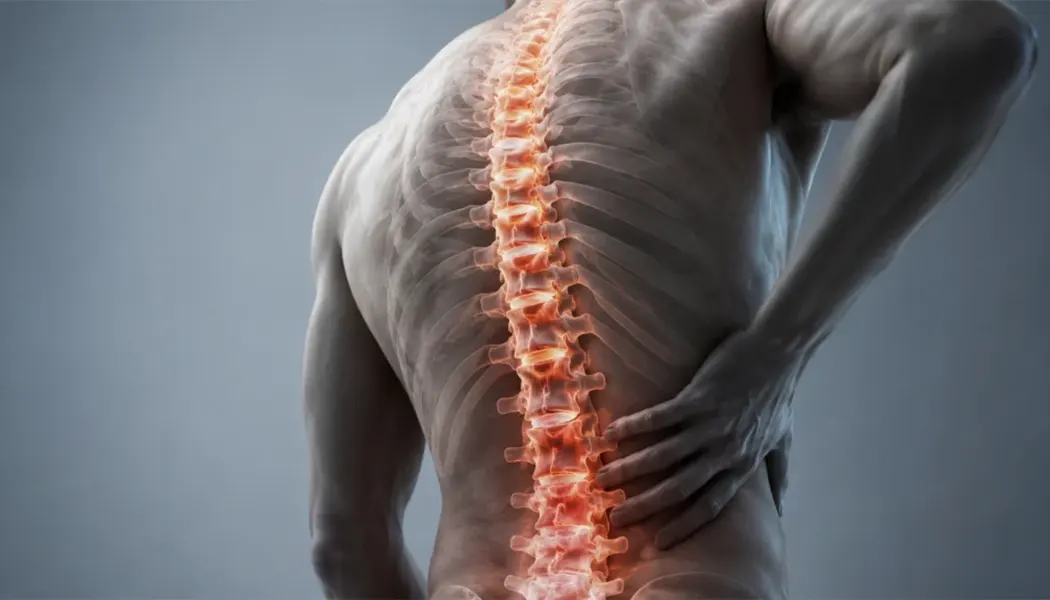
What is Ankylosing Spondylitis?
Ankylosing Spondylitis, often called AS, is a type of inflammatory arthritis that primarily affects the spine.
It belongs to a group of conditions known as:
Axial Spondyloarthritis
Inflammation commonly affects the:
Sacroiliac Joints
Spinal Joints
Areas Where Tendons and Ligaments Attach to Bone
These attachment sites are called:
Entheses
Over time, ongoing inflammation may lead to structural changes in some people, potentially affecting spinal mobility and posture.
AS can also affect areas outside the spine, including:
Hips
Shoulders
Knees
Feet
Some people may also experience inflammation in other parts of the body, including the eyes.
The condition varies significantly between individuals. Some people have relatively mild symptoms, while others experience more substantial pain, stiffness, fatigue, and mobility limitations.
What Are The Symptoms Of Ankylosing Spondylitis?
Common Symptoms
Persistent Back Pain: Pain is often felt in the lower back or buttock region.
Morning Stiffness: The back may feel particularly stiff after waking.
Pain That Improves with Movement: Some people notice symptoms improve with activity and worsen with prolonged rest.
Night Pain: Back pain may disturb sleep, particularly during the second half of the night.
Reduced Spinal Mobility: Bending, twisting, or extending the spine may become more difficult.
Fatigue: Ongoing inflammation and poor sleep can contribute to tiredness.
Other Possible Symptoms
Buttock Pain: Pain may occur on one or both sides and can sometimes alternate between sides.
Neck Pain and Stiffness: The cervical spine may be affected.
Upper Back Stiffness: Reduced movement may develop through the thoracic spine.
Hip Pain: The hip joints may be affected.
Shoulder Pain: Inflammation or altered movement can cause shoulder symptoms.
Heel Pain: Inflammation where the Achilles tendon or plantar fascia attaches may cause heel discomfort.
Joint Pain and Swelling: Other joints may become painful or swollen.
Reduced Chest Expansion: Stiffness around the rib joints may affect chest movement.
Postural Changes: Some people may gradually develop a more rounded or forward posture.
Reduced Exercise Tolerance: Pain, stiffness, or fatigue may limit physical activity.
Eye Inflammation: Some people develop episodes of painful red eye with light sensitivity or blurred vision, which requires urgent medical assessment.
What Are The Causes Of Ankylosing Spondylitis?
The exact cause of Ankylosing Spondylitis is not fully understood.
It is believed to involve a combination of:
Genetic Factors
Immune System Activity
Environmental Factors
One genetic marker associated with AS is:
HLA-B27
However, having HLA-B27 does not mean a person will necessarily develop Ankylosing Spondylitis.
The condition is not caused by:
Poor Posture
Normal Exercise
A Single Injury
Everyday Back Movements
AS involves an abnormal inflammatory response in susceptible individuals.
Diagnosis Of Ankylosing Spondylitis
Diagnosis can sometimes take time because symptoms may develop gradually and can resemble other causes of back pain.
Medical History: A healthcare professional will ask about back pain, stiffness, symptom patterns, fatigue, family history, and other joint or body symptoms.
Physical Examination: The spine, pelvis, posture, joints, movement, and areas of tenderness are assessed.
Spinal Mobility Assessment: Forward bending, backward bending, side bending, and rotation may be evaluated.
Chest Expansion Assessment: Movement of the rib cage during breathing may be assessed.
Posture Assessment: Spinal alignment and postural changes may be evaluated.
Joint Assessment: Other joints may be examined for pain, swelling, or reduced movement.
Enthesis Assessment: Areas where tendons and ligaments attach to bone may be assessed for inflammation.
Blood Tests: Tests may look for markers of inflammation and may include HLA-B27 testing.
X-Rays: X-rays can identify structural changes in the sacroiliac joints or spine.
MRI Scan: MRI can help identify active inflammation and may detect changes earlier than X-rays in some cases.
A Rheumatologist usually plays an important role in diagnosing and managing Ankylosing Spondylitis.
Treatment Of Ankylosing Spondylitis
AS requires an individualised and long-term management approach.
Rheumatology Care: Regular medical management helps monitor inflammation and overall health.
Medication: Healthcare professionals may prescribe medications to reduce inflammation, manage symptoms, and control disease activity.
Physiotherapy: Exercise and movement-based rehabilitation are important for maintaining mobility, strength, posture, and physical function.
Regular Physical Activity: Staying physically active can help maintain movement and overall health.
Spinal Mobility Exercises: Regular movement may help maintain flexibility through the spine.
Strengthening Exercises: Strengthening helps support posture and functional movement.
Postural Exercises: Specific exercises can help maintain upright posture and spinal control.
Breathing Exercises: Exercises may help maintain chest and rib movement.
Activity Management: Balancing activity, rest, and recovery can help manage symptoms and fatigue.
Hydrotherapy: Water-based exercise may be beneficial for some people.
Pain Management: Heat and other strategies may provide temporary symptom relief in selected individuals.
Management of Other Joints: Hips, shoulders, knees, or other affected areas may require specific treatment.
Specialist Referral: Persistent symptoms or complications may require coordinated care with appropriate specialists.
Surgery: Surgery may occasionally be considered for significant joint damage or other specific complications.
What Is The Physiotherapy Treatment Of Ankylosing Spondylitis
Detailed Assessment: At Pure Physio, we assess your pain, stiffness, spinal mobility, posture, strength, breathing-related movement, activity level, fatigue, and functional limitations.
Individualised Rehabilitation Programme: Your treatment is tailored according to your symptoms, disease activity, physical abilities, lifestyle, and personal goals.
Spinal Mobility Exercises: Carefully selected exercises help maintain movement through the neck, upper back, and lower back.
Postural Training: Targeted exercises help improve awareness, strength, and control for maintaining an upright posture.
Thoracic Mobility Exercises: Exercises help maintain movement through the upper back and rib cage.
Chest Expansion and Breathing Exercises: Controlled breathing and movement exercises help support chest mobility.
Neck Mobility Exercises: Carefully selected exercises help maintain comfortable movement in the cervical spine.
Hip Mobility Exercises: Maintaining hip movement can support walking and daily activities.
Stretching Exercises: Targeted stretches may help address muscle tightness and maintain flexibility.
Core Strengthening: Progressive exercises strengthen the muscles that support the trunk and spinal movement.
Back Extensor Strengthening: Exercises may help strengthen muscles that support upright posture.
Hip and Gluteal Strengthening: Progressive exercises improve lower-limb strength and movement control.
Lower-Limb Strengthening: Exercises support standing, walking, climbing stairs, and everyday function.
Balance Training: Targeted exercises help improve stability and confidence during movement.
Aerobic Exercise Guidance: We provide guidance on suitable activities to support cardiovascular fitness and overall health.
Walking Rehabilitation: We assess and guide walking patterns to support comfortable and efficient movement.
Functional Movement Training: Exercises focus on meaningful activities such as sitting, standing, walking, bending, reaching, and other daily tasks.
Activity and Fatigue Management: We provide practical guidance on balancing exercise, daily activity, rest, and recovery.
Flare-Up Management: Your exercise programme may be adjusted during periods of increased symptoms in coordination with your healthcare team’s advice.
Hydrotherapy Guidance: When appropriate and available, water-based exercise may be considered as part of your rehabilitation.
Home Exercise Programme: A personalised programme supports regular movement, strength, posture, and mobility between appointments.
Progress Monitoring: Your rehabilitation is regularly reviewed and adjusted according to symptoms, mobility, strength, posture, function, and overall disease activity.
Why Choose Pure Physio?
Comprehensive Spinal and Functional Assessment: We assess pain, stiffness, spinal mobility, posture, strength, breathing-related movement, balance, and functional limitations.
Personalised Rehabilitation Plans: Your programme is tailored according to your symptoms, disease activity, lifestyle, physical abilities, and personal goals.
Focus on Maintaining Mobility: Rehabilitation aims to help maintain comfortable movement through the spine and other affected joints.
Posture-Focused Rehabilitation: Targeted exercises support postural strength, awareness, and control.
Build Whole-Body Strength: Progressive rehabilitation targets the trunk, back, hips, and lower limbs to support everyday movement.
Support Chest and Thoracic Mobility: Carefully selected exercises help maintain movement through the upper back and rib cage.
Improve Balance and Movement Confidence: Targeted training helps support safe and confident mobility.
Functional Movement Training: Therapy focuses on practical activities that matter in everyday life.
Support an Active Lifestyle: We provide guidance to help you remain appropriately active according to your symptoms and physical abilities.
Activity and Fatigue Management: Practical strategies help you balance exercise, activity, rest, and recovery.
Individualised Exercise Progression: Your programme is adapted according to symptoms, mobility, strength, function, and medical guidance.
Home Exercise Guidance: You receive a personalised programme to support regular movement and consistent rehabilitation.
Regular Progress Monitoring: Your treatment is reviewed and adjusted according to changes in pain, stiffness, mobility, posture, strength, and functional ability.
Integrated Care Approach: We work alongside rheumatologists, doctors, orthopaedic specialists, and other healthcare professionals when required.
Focused on Long-Term Mobility and Independence: Our goal is to help manage symptoms, maintain movement and posture, improve physical function, and support an active and confident life.
Start Your Recovery Journey Today
Don’t let pain, stiffness, or reduced mobility affect your daily life. Get personalised physiotherapy care designed around your condition and recovery goals.