
Ankle Sprain
Recover from ankle pain, rebuild stability, and get back to walking, exercise, and sport with personalised physiotherapy for ankle sprains.
Contents
Take the First Step Towards Better Movement
Our experienced physiotherapists are here to help you improve mobility, regain strength, and move with greater comfort and confidence.
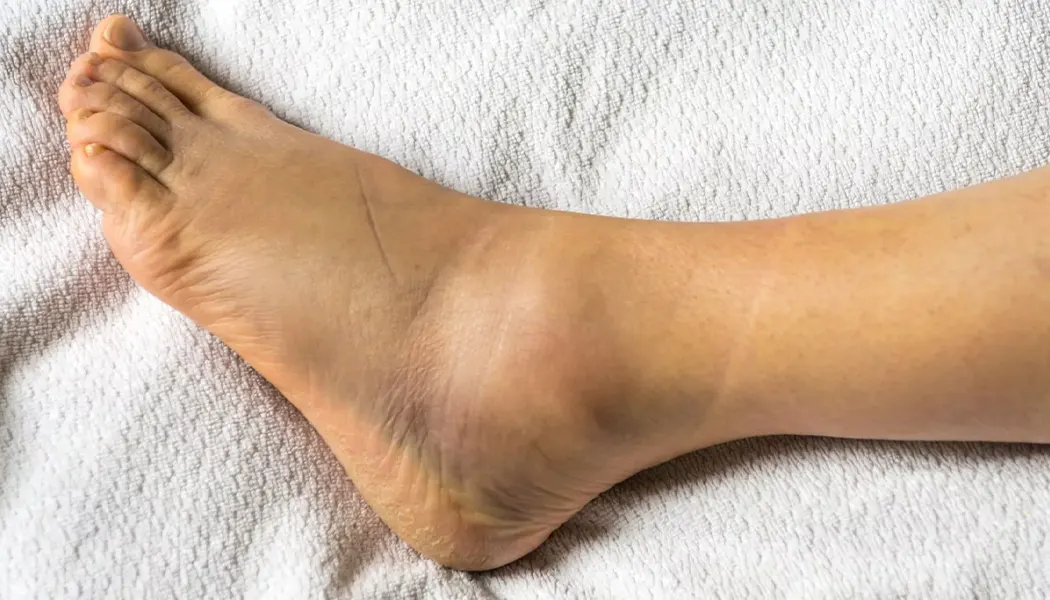
What is Ankle Sprain?
An Ankle Sprain occurs when one or more ligaments around the ankle are stretched or torn, usually after the foot twists, rolls, or turns beyond its normal range. It commonly causes pain, swelling, bruising, and difficulty walking or putting weight on the affected foot. The severity can range from a mild ligament stretch to a complete tear. At Pure Physio, rehabilitation focuses on reducing pain and swelling, restoring ankle movement, rebuilding strength and balance, improving stability, and helping reduce the risk of future ankle sprains.
The ankle joint is supported by several:
Ligaments
Ligaments are strong bands of tissue that connect:
Bone to Bone
They help keep the ankle stable during movement.
An ankle sprain happens when these ligaments are:
Overstretched
or
Partially or Completely Torn
The most common type is a:
Lateral Ankle Sprain
This usually happens when the foot:
Rolls Inward
This is also known as an:
Inversion Injury
It commonly affects ligaments on the outer side of the ankle, including the:
Anterior Talofibular Ligament (ATFL)
and sometimes the:
Calcaneofibular Ligament (CFL)
Another type is a:
Medial Ankle Sprain
This occurs when the foot turns excessively outward, affecting the ligaments on the inner side of the ankle.
A:
High Ankle Sprain
affects ligaments between the lower-leg bones and is also known as a:
Syndesmotic Sprain
These injuries may require a different treatment and recovery approach.
Ankle sprains are often classified according to severity:
Grade 1
Mild stretching of the ligament with minimal loss of stability.
Grade 2
A partial ligament tear with more significant pain, swelling, and reduced stability.
Grade 3
A complete ligament tear with significant instability and functional limitation.
The exact severity should be assessed by an appropriately qualified healthcare professional.
What Are The Symptoms Of Ankle Sprain?
Ankle Pain: Pain commonly occurs around the injured ligaments.
Sudden Pain at the Time of Injury: Pain may be felt immediately when the ankle twists.
Swelling: The ankle may swell soon after the injury.
Bruising: Discolouration may develop around the ankle or foot.
Tenderness: The injured area may be painful when touched.
Difficulty Walking: Pain and instability can make walking difficult.
Difficulty Bearing Weight: More severe injuries may make it difficult to put weight through the foot.
Reduced Ankle Movement: Swelling and pain may limit movement.
Stiffness: The ankle may feel stiff, particularly after rest.
Feeling of Instability: The ankle may feel weak, loose, or as though it could give way.
Pain During Standing: Standing for long periods may aggravate symptoms.
Pain During Stairs: Climbing or descending stairs may become difficult.
Pain During Running: Running and impact activities may be painful.
Reduced Balance: An ankle sprain can affect balance and awareness of ankle position.
Repeated Giving Way: Previous sprains may contribute to ongoing ankle instability.
A popping sound, severe swelling, obvious deformity, inability to take several steps, or severe bone tenderness should be medically assessed to rule out a fracture or other serious injury.
What Are The Causes Of Ankle Sprain?
An ankle sprain occurs when the ankle is forced beyond its normal range of movement.
Common causes include:
Rolling the Ankle: Stepping awkwardly can cause the foot to roll inward or outward.
Uneven Surfaces: Walking or running on an uneven surface can increase the risk.
Sports Injuries: Running, jumping, pivoting, and rapid changes of direction can cause ankle sprains.
Awkward Landing: Landing incorrectly after a jump can overstretch ankle ligaments.
Sudden Change of Direction: Cutting or turning rapidly can place excessive force on the ankle.
Slips and Falls: A fall may force the ankle into an abnormal position.
Poor Balance: Reduced balance may increase the risk of losing control of the ankle.
Muscle Weakness: Weakness around the ankle or lower leg may reduce stability.
Previous Ankle Sprain: A history of ankle injury can increase the risk of another sprain.
Reduced Proprioception: Poor awareness of ankle position can affect the body’s ability to react quickly.
Inappropriate Footwear: Shoes that provide inadequate support for an activity may contribute to injury risk.
Fatigue: Muscle fatigue can reduce coordination and movement control.
Diagnosis Of Ankle Sprain
Medical History: A healthcare professional will ask how the injury happened, where the pain is located, and whether you were able to continue walking.
Physical Examination: The ankle is assessed for swelling, bruising, tenderness, movement, and stability.
Ligament Testing: Specific clinical tests may assess the stability of the ankle ligaments.
Range of Motion Assessment: Ankle movement is assessed once appropriate and tolerated.
Strength Assessment: The muscles around the ankle and lower leg may be evaluated.
Walking Assessment: Your ability to walk and bear weight may be assessed.
Balance Assessment: Balance and ankle control may be evaluated during rehabilitation.
Ottawa Ankle Rules: Healthcare professionals may use established clinical criteria to determine whether an X-ray is needed.
X-Rays: X-rays may be used to rule out a fracture.
Ultrasound: Ultrasound may help assess certain ligament and soft-tissue injuries.
MRI: MRI may be considered for severe injuries, persistent symptoms, suspected high ankle sprains, or associated cartilage and soft-tissue injuries.
An accurate assessment is important because some fractures and more serious ligament injuries can have symptoms similar to an ankle sprain.
Treatment Of Ankle Sprain
Treatment depends on the severity and type of sprain.
Early Management
Protection: The ankle may need to be protected from further injury.
Relative Rest: Activities that significantly aggravate pain are temporarily reduced.
Compression: Appropriate compression may help manage swelling.
Elevation: Elevating the ankle may help reduce swelling.
Cold Therapy: Cold may provide temporary pain relief for some individuals.
Pain Management: A doctor may recommend suitable medication when required.
Support or Bracing: A brace or support may be used for selected injuries.
Rehabilitation
Early Controlled Movement: Appropriate movement is gradually introduced to prevent excessive stiffness.
Progressive Weight-Bearing: Walking and weight-bearing are increased according to pain and injury severity.
Physiotherapy: Rehabilitation helps restore mobility, strength, balance, and ankle stability.
Gradual Return to Activity: Higher-level activities are reintroduced progressively.
More Severe Injuries
Severe sprains, high ankle sprains, fractures, or injuries with significant instability may require specialist assessment and additional treatment.
Surgery is not commonly required for typical ankle sprains but may be considered in selected cases involving severe or persistent instability.
What Is The Physiotherapy Treatment Of Ankle Sprain
Detailed Assessment: At Pure Physio, we assess your pain, swelling, ankle movement, strength, stability, walking pattern, balance, and functional goals.
Early Rehabilitation
Pain and Swelling Management: Appropriate strategies are used to help manage symptoms.
Safe Mobility: We guide you on safe walking and weight-bearing according to your injury.
Gentle Range of Motion Exercises: Controlled movements help reduce stiffness and restore ankle mobility.
Strengthening Phase
Calf Strengthening: Exercises rebuild the muscles involved in ankle movement and walking.
Ankle Strengthening: Progressive resistance exercises strengthen the muscles supporting the ankle.
Foot Strengthening: Exercises may improve strength and control in the muscles of the foot.
Hip and Lower-Limb Strengthening: Strengthening the entire lower limb can improve movement control.
Balance and Stability Training
Balance Exercises: Training improves stability during standing and movement.
Proprioception Training: Exercises help restore awareness and control of ankle position.
Single-Leg Training: Progressive exercises improve control and confidence when standing on the affected leg.
Functional Rehabilitation
Gait Training: We help restore a natural and efficient walking pattern.
Stair Training: Rehabilitation addresses confidence and control when climbing and descending stairs.
Movement Re-Education: Exercises improve control during squatting, stepping, turning, and other movements.
Running Progression: Running is gradually introduced when appropriate.
Jumping and Landing Training: Suitable exercises prepare the ankle for impact activities.
Agility Training: Direction changes and sport-specific movements are introduced during advanced rehabilitation when appropriate.
Home Exercise Programme: A personalised programme supports continued progress between physiotherapy sessions.
Progress Monitoring: Your rehabilitation plan is regularly reviewed and adjusted according to pain, movement, strength, balance, and functional recovery.
Why Choose Pure Physio?
Detailed Ankle Assessment: We assess your injury, pain, swelling, movement, strength, balance, stability, and functional limitations.
Personalised Rehabilitation Plans: Your treatment is adapted according to the severity and type of ankle sprain.
Focus on Restoring Mobility: Rehabilitation aims to help you regain comfortable and functional ankle movement.
Strength and Stability Recovery: We progressively rebuild the muscles and control needed to support the ankle.
Balance and Proprioception Training: Exercises help improve ankle awareness and reduce the risk of repeated sprains.
Safe Activity Progression: Walking, running, jumping, and other activities are reintroduced according to your recovery.
Functional Rehabilitation: Treatment focuses on the movements needed for daily activities, work, exercise, and sports.
Sports-Specific Recovery: Active individuals can progress towards the demands of running, jumping, turning, and rapid direction changes.
Injury Prevention Focus: We address contributing factors such as weakness, poor balance, and movement control to help reduce future injury risk.
Regular Progress Monitoring: Your programme is adjusted according to improvements in pain, movement, strength, and stability.
Integrated Care Approach: When imaging, specialist assessment, or additional medical treatment is required, we can support rehabilitation as part of a coordinated recovery plan.
Focused on Confident Movement: Our goal is to help you restore ankle strength and stability, move with confidence, and safely return to the activities that matter to you.
Start Your Recovery Journey Today
Don’t let pain, stiffness, or reduced mobility affect your daily life. Get personalised physiotherapy care designed around your condition and recovery goals.