
Ankle Dislocation
Restore ankle movement, rebuild strength, and regain stability with personalised physiotherapy following an Ankle Dislocation.
Contents
Take the First Step Towards Better Movement
Our experienced physiotherapists are here to help you improve mobility, regain strength, and move with greater comfort and confidence.
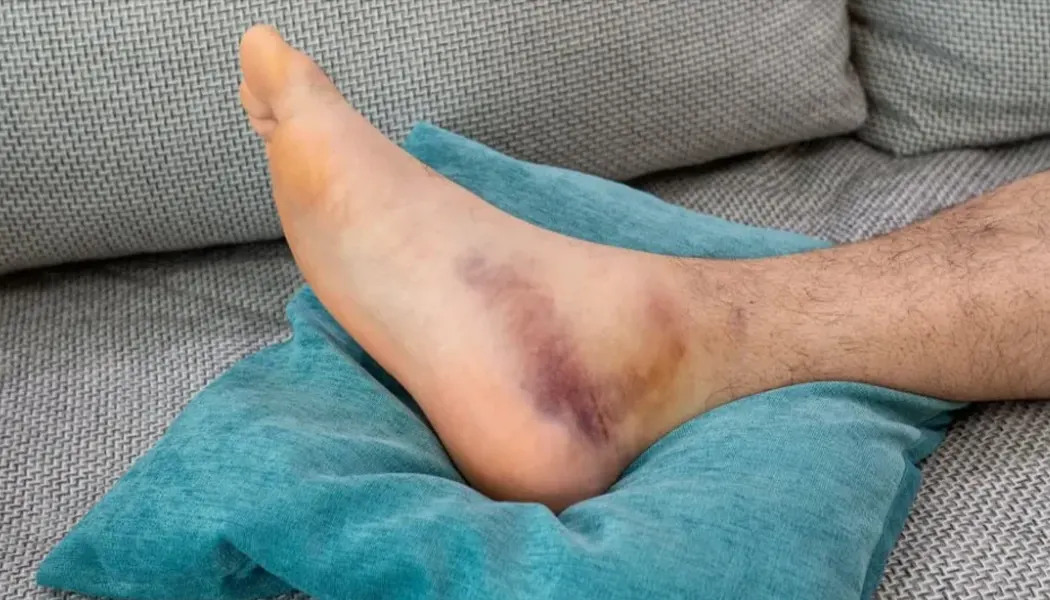
What is Ankle Dislocation?
An Ankle Dislocation occurs when the bones of the ankle joint lose their normal alignment and are displaced from their usual position.
The ankle joint involves the:
Tibia: The main shin bone.
Fibula: The smaller bone on the outside of the lower leg.
Talus: The bone in the foot that connects with the tibia and fibula to form the ankle joint.
In a normal ankle, these bones fit together in a stable arrangement supported by strong ligaments.
During an ankle dislocation, significant force causes the joint surfaces to move out of their normal position. This can damage the surrounding:
Ligaments
Joint Capsule
Tendons
Cartilage
Nerves
Blood Vessels
An ankle dislocation may occur:
With a Fracture: This is often called a fracture-dislocation and is relatively common.
Without a Fracture: A pure ankle dislocation is less common and usually involves significant ligament injury.
An ankle dislocation is a medical emergency because the displaced bones can affect circulation, nerves, and surrounding soft tissues.
What Are The Symptoms Of Ankle Dislocation?
Common Symptoms
Severe Ankle Pain: Intense pain usually occurs immediately after the injury.
Visible Deformity: The ankle may look obviously out of place or abnormally shaped.
Rapid Swelling: Significant swelling can develop quickly around the joint.
Inability to Bear Weight: Standing or walking is usually extremely difficult or impossible.
Difficulty Moving the Ankle: Normal ankle movement is severely limited.
Severe Tenderness: The ankle may be extremely painful when touched.
Other Possible Symptoms
Bruising: Discolouration may develop around the ankle and foot.
Abnormal Foot Position: The foot may appear twisted or displaced relative to the lower leg.
Numbness or Tingling: Altered sensation may occur if nerves are compressed or injured.
Weakness: Movement of the foot or toes may be affected.
Cold or Pale Foot: This can indicate reduced blood flow and requires immediate emergency care.
Blue or Dusky Skin: Changes in skin colour may indicate circulation problems.
Open Wound: A dislocation associated with an open wound requires immediate emergency treatment.
Associated Fracture: Additional pain, swelling, and deformity may occur when a bone is also broken.
Do not attempt to force the ankle back into position yourself.
What Are The Causes Of Ankle Dislocation?
Falls: Falling from a height or landing awkwardly can apply enough force to dislocate the ankle.
Sports Injuries: High-impact collisions, forceful twisting, or awkward landings can cause dislocation.
Road Traffic Accidents: High-energy trauma can cause severe ankle injuries, including dislocation.
Forceful Twisting: A powerful twisting force can damage the ligaments supporting the ankle and cause joint displacement.
Direct Trauma: A strong impact to the ankle or lower leg can force the bones out of alignment.
Previous Ankle Instability: Severe ligament weakness or previous injury may contribute to instability, although dislocation usually requires significant force.
High-Energy Trauma: Major accidents can cause dislocation alongside fractures and other soft-tissue injuries.
Diagnosis Of Ankle Dislocation
Urgent Medical Assessment: The injury is assessed immediately because ankle alignment and circulation may be affected.
Physical Examination: Healthcare professionals assess deformity, swelling, skin condition, pain, and the position of the foot and ankle.
Circulation Assessment: Pulses, skin colour, temperature, and blood flow below the injury are checked.
Nerve Assessment: Sensation and the ability to move the toes and foot are assessed.
X-Rays: X-rays are commonly used to confirm the dislocation and identify associated fractures.
Reduction Assessment: Medical imaging may be repeated after the ankle has been repositioned to confirm proper alignment.
CT Scan: A CT scan may be used to assess complex fractures or joint injuries in greater detail.
MRI Scan: MRI may be used in selected cases to assess ligament, tendon, cartilage, or other soft-tissue injuries.
Prompt diagnosis and treatment are essential to reduce the risk of complications.
Treatment Of Ankle Dislocation
Treatment requires urgent medical care.
Joint Reduction: A qualified healthcare professional carefully restores the bones to their correct position.
Pain Relief: Appropriate pain medication and, when necessary, sedation or anaesthesia may be used during treatment.
Immobilisation: A splint, cast, brace, or walking boot may be used to protect the ankle after reduction.
Fracture Management: Associated fractures may require specific treatment or surgery.
Surgical Treatment: Surgery may be needed for unstable injuries, significant ligament damage, fractures, or injuries that cannot be adequately stabilised without surgery.
Internal Fixation: Plates, screws, or other devices may be used to stabilise associated fractures.
Ligament or Syndesmosis Stabilisation: Some severe injuries may require surgical stabilisation of damaged supporting structures.
Weight-Bearing Restrictions: You may need to avoid or limit weight-bearing for a period based on the severity of the injury and medical advice.
Crutches or Walking Aids: Assistive devices may be used to support safe movement during recovery.
Regular Medical Follow-Up: Follow-up appointments and imaging may be required to monitor healing and joint stability.
Physiotherapy: Once medically appropriate, rehabilitation helps restore movement, strength, balance, walking ability, and functional confidence.
What Is The Physiotherapy Treatment Of Ankle Dislocation
Detailed Assessment: At Pure Physio, we assess pain, swelling, ankle movement, muscle strength, joint stability, balance, weight-bearing ability, walking pattern, and functional limitations while following your medical restrictions.
Individualised Rehabilitation Programme: Your treatment is tailored according to the severity of the dislocation, associated fractures or ligament injuries, treatment received, surgical instructions, healing stage, symptoms, and personal goals.
Pain and Swelling Management: Appropriate strategies may help manage discomfort and swelling during rehabilitation.
Safe Ankle Mobility Exercises: Carefully selected exercises help gradually restore ankle movement when permitted.
Foot and Toe Mobility Exercises: Controlled exercises help maintain movement and function in appropriate stages of recovery.
Calf Mobility Exercises: Progressive exercises help restore flexibility and movement in the lower leg.
Early Muscle Activation: Exercises help restore activation of the muscles around the ankle and lower leg.
Progressive Ankle Strengthening: Targeted exercises gradually rebuild strength in the muscles that support ankle movement and stability.
Calf Strengthening: Progressive exercises improve the strength needed for standing, walking, and pushing off.
Foot Strengthening: Exercises support improved foot control and overall lower-limb function.
Hip and Gluteal Strengthening: Targeted exercises help improve overall lower-limb strength and movement control.
Balance and Proprioception Training: Exercises help restore ankle awareness, stability, coordination, and confidence.
Progressive Weight-Bearing: Weight-bearing is increased gradually according to healing, joint stability, symptoms, and medical or surgical guidance.
Walking Rehabilitation: Therapy helps you transition safely from crutches or other walking aids towards a more normal and efficient walking pattern.
Stair Rehabilitation: Rehabilitation helps rebuild the strength and control required for safe stair climbing and descending.
Movement Retraining: We help improve lower-limb control during standing, stepping, squatting, and other functional activities.
Functional Strength Training: Exercises progress towards movements relevant to your daily activities, work, and lifestyle.
Running Rehabilitation: A gradual running programme may be introduced when medically appropriate and once adequate healing, strength, movement, and stability have been achieved.
Jump and Landing Training: Higher-impact activities are gradually introduced when appropriate.
Agility and Direction-Change Training: Active individuals may progress towards controlled cutting, pivoting, and rapid movement when suitable.
Sport-Specific Rehabilitation: Your programme can be tailored to the physical demands of your sport.
Post-Operative Rehabilitation: If surgery was required, your programme follows the surgeon’s protocol and specific recovery instructions.
Home Exercise Programme: A personalised programme supports continued mobility, strengthening, and recovery between appointments.
Progress Monitoring: Your rehabilitation is regularly reviewed and adjusted according to healing, medical guidance, pain, swelling, movement, strength, stability, balance, walking ability, and functional improvement.
Why Choose Pure Physio?
Safety-Focused Rehabilitation: Your programme follows appropriate medical and surgical guidance regarding healing, movement, weight-bearing, and joint stability.
Comprehensive Post-Injury Assessment: We assess pain, swelling, ankle movement, strength, balance, stability, walking ability, and functional limitations.
Personalised Recovery Plans: Your rehabilitation is tailored according to the severity of your injury, associated fractures or ligament damage, treatment received, activity demands, and personal goals.
Restore Ankle Mobility: Carefully progressed exercises help reduce stiffness and restore comfortable ankle movement.
Rebuild Ankle and Lower-Limb Strength: Progressive rehabilitation targets the ankle, foot, calf, hips, gluteals, and other muscles supporting movement.
Improve Ankle Stability: Targeted exercises help restore muscle control, balance, and confidence around the recovering joint.
Safe Weight-Bearing Progression: We help you progress safely according to healing, stability, symptoms, and medical guidance.
Improve Walking Ability: Structured rehabilitation supports a safe transition from walking aids towards independent and confident movement.
Balance and Proprioception Training: Targeted exercises help improve coordination, stability, and awareness of ankle position.
Functional Recovery Focus: Therapy targets meaningful activities such as standing, walking, climbing stairs, exercising, and returning to daily routines.
Return to Work Support: Rehabilitation can be adapted to help prepare you for the physical demands of your occupation.
Safe Return to Exercise and Sport: Running, jumping, landing, and higher-level activities are introduced progressively when medically appropriate.
Post-Surgical Rehabilitation: Structured physiotherapy supports recovery following fracture fixation, ligament repair, or other surgical treatment.
Home Exercise Guidance: You receive a personalised programme to support consistent progress outside your appointments.
Regular Progress Monitoring: Your rehabilitation is reviewed and adapted according to changes in pain, swelling, movement, strength, stability, balance, and function.
Integrated Care Approach: We work alongside orthopaedic surgeons, doctors, sports medicine professionals, and other healthcare providers when required.
Focused on Long-Term Ankle Function: Our goal is to support safe recovery, restore movement, rebuild strength, improve stability and confidence, and help you return to the activities that matter most.
Start Your Recovery Journey Today
Don’t let pain, stiffness, or reduced mobility affect your daily life. Get personalised physiotherapy care designed around your condition and recovery goals.