
Achilles Tendon Rupture
Rebuild strength, restore ankle movement, and return to walking, work, and sport with personalised rehabilitation after an Achilles tendon rupture.
Contents
Take the First Step Towards Better Movement
Our experienced physiotherapists are here to help you improve mobility, regain strength, and move with greater comfort and confidence.
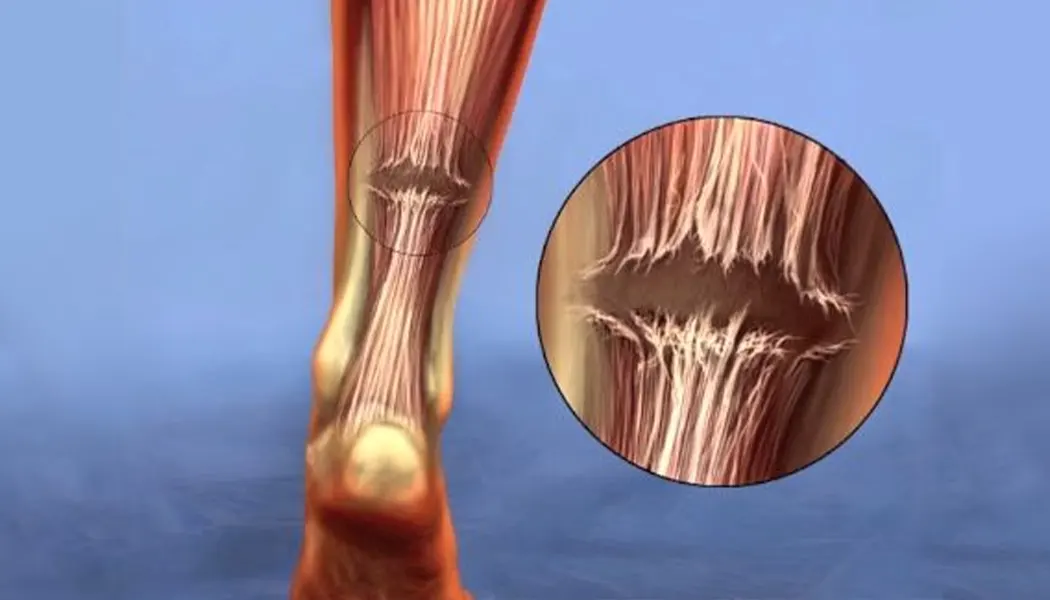
What is Achilles Tendon Rupture?
An Achilles Tendon Rupture is a partial or complete tear of the Achilles tendon, the strong tendon connecting the calf muscles to the heel bone. It can occur suddenly during activities involving running, jumping, or a forceful push-off from the foot. Common symptoms include sudden pain in the back of the ankle or calf, swelling, difficulty walking, and reduced ability to push off or stand on the toes. Treatment may be non-surgical or surgical, depending on the type of rupture and individual circumstances. At Pure Physio, rehabilitation focuses on safely restoring ankle movement, rebuilding calf strength, improving balance and walking, and progressively preparing you to return to your everyday activities and sports.
The Achilles tendon is the largest and one of the strongest tendons in the body.
It connects the:
Calf Muscles
to the:
Heel Bone (Calcaneus)
The main calf muscles involved are:
Gastrocnemius
Soleus
Together, these muscles and the Achilles tendon help you:
Walk
Run
Jump
Climb Stairs
Stand on Your Toes
Push Off the Ground
An Achilles tendon rupture occurs when the tendon:
Partially Tears
or
Completely Tears
A complete rupture can significantly affect the ability to push the foot downward and generate force during walking.
The injury often occurs suddenly.
Some people describe feeling:
A Sudden Pop
or
A Sensation of Being Kicked in the Back of the Leg
The location of the rupture can vary.
It may occur:
In the Middle Portion of the Tendon
Near the Heel Attachment
Near the Muscle-Tendon Junction
The appropriate treatment and rehabilitation programme depend on the location and severity of the tear, the person’s activity level, overall health, and the treating specialist’s recommendations.
What Are The Symptoms Of Achilles Tendon Rupture?
Sudden Sharp Pain: A sudden pain may occur in the back of the ankle or lower calf.
Popping Sensation: Some people hear or feel a pop at the time of injury.
Feeling of Being Kicked: The injury may feel as though someone has kicked the back of the ankle or calf.
Swelling: Swelling may develop around the back of the ankle.
Bruising: Bruising can appear around the ankle or lower leg.
Difficulty Walking: Normal walking may become difficult.
Weak Push-Off: It may be difficult to push off the ground while walking.
Difficulty Standing on Tiptoes: A person may be unable to rise onto the toes of the affected leg.
Calf Weakness: The calf may feel weak or unable to generate normal force.
Reduced Ankle Movement: Moving the foot and ankle may become painful or limited.
Difficulty Climbing Stairs: The ability to push through the foot may be reduced.
A Gap in the Tendon: A healthcare professional may sometimes feel a gap where the tendon has ruptured.
Reduced Sporting Ability: Running, jumping, and rapid movements may become impossible or very difficult.
Changes in Walking Pattern: A person may limp or avoid placing full force through the affected leg.
A sudden injury with a pop, significant calf or ankle pain, and difficulty pushing off the foot should be assessed promptly by a qualified healthcare professional.
What Are The Causes Of Achilles Tendon Rupture?
An Achilles tendon rupture usually occurs when a sudden force exceeds the tendon’s ability to withstand the load.
Common causes include:
Sudden Acceleration: Quickly pushing off to sprint can place high force through the tendon.
Jumping: Forceful jumping and landing can overload the Achilles tendon.
Sudden Changes of Direction: Sports involving rapid changes in direction can increase tendon stress.
Forceful Push-Off: A powerful movement through the forefoot can cause injury.
Unexpected Ankle Movement: Sudden stretching of the calf and tendon may contribute to rupture.
Sports Activities: Activities involving running, jumping, and explosive movements can increase the risk.
Other factors that may increase the risk include:
Previous Achilles Tendon Problems
Age-Related Tendon Changes
Reduced Tendon Conditioning
Sudden Increase in Training Load
Inadequate Recovery Between Intense Activities
Poor Calf Strength or Conditioning
Certain Medications
Corticosteroid Exposure
Certain Antibiotics, Including Fluoroquinolones
Some Medical Conditions
The rupture can occur during sports, but it can also happen during an ordinary movement or unexpected loss of balance.
Diagnosis Of Achilles Tendon Rupture
Medical History: A healthcare professional will ask how the injury occurred and about symptoms such as a pop, sudden pain, swelling, and difficulty walking.
Physical Examination: The calf, ankle, and Achilles tendon are examined for swelling, tenderness, bruising, and changes in tendon shape.
Walking Assessment: The ability to walk and push off the affected foot may be assessed.
Toe-Rise Test: Difficulty or inability to rise onto the toes can suggest significant Achilles dysfunction.
Thompson Test: The calf is gently squeezed while the foot position is observed. An abnormal response can indicate a complete rupture.
Palpation: A clinician may assess for a gap or defect in the tendon.
Ultrasound: Ultrasound can help identify a tear and assess its location and severity.
MRI: MRI may provide detailed images of the tendon and surrounding structures when required.
X-Rays: X-rays may be used to rule out certain bony injuries, although they do not directly show the tendon in detail.
Early assessment is important because the treatment approach and recovery plan depend on the severity and characteristics of the rupture.
Treatment Of Achilles Tendon Rupture
Treatment may be non-surgical or surgical.
The most appropriate approach depends on factors such as the type and location of the rupture, tendon gap, activity level, age, health, and specialist recommendations.
Non-Surgical Treatment
Functional Bracing: A specialised boot or brace may hold the foot in a position that allows the tendon to heal.
Heel Wedges: Wedges may be used to keep the ankle in an appropriate position during early healing.
Progressive Weight-Bearing: Walking and weight-bearing are gradually introduced according to the treatment protocol.
Structured Rehabilitation: Physiotherapy helps progressively restore movement, strength, and function.
Surgical Treatment
Achilles Tendon Repair: Surgery may be performed to repair the torn tendon.
Post-Surgical Protection: The ankle is protected using a cast, boot, or brace.
Progressive Rehabilitation: Movement, weight-bearing, and strengthening are gradually introduced according to the surgeon’s protocol.
Other Important Management
Pain Management: Appropriate pain relief may be recommended by a doctor.
Swelling Management: Elevation and other appropriate measures may help manage swelling.
Protection of the Tendon: The healing tendon must be protected from excessive stretching and loading, particularly during the early stages.
Gradual Return to Activity: Running, jumping, and sport are only reintroduced after adequate healing and functional recovery.
Recovery varies between individuals and may take several months or longer.
What Is The Physiotherapy Treatment Of Achilles Tendon Rupture
Physiotherapy follows a carefully staged rehabilitation programme based on whether treatment was surgical or non-surgical and the specific protocol provided by the treating specialist.
Early Protection Phase
Protection of the Healing Tendon: We follow the recommended precautions regarding ankle movement and weight-bearing.
Safe Mobility Training: Guidance may be provided for walking with crutches, a walker, or a protective boot when required.
Swelling Management: Appropriate strategies may help manage swelling.
Maintaining General Mobility: Safe exercises may help maintain movement and strength in unaffected areas.
Early Rehabilitation Phase
Gradual Weight-Bearing: Weight-bearing is progressed according to the prescribed protocol.
Controlled Ankle Movement: Gentle ankle exercises are introduced at the appropriate stage without placing excessive stress on the healing tendon.
Gait Training: We help restore a safe and efficient walking pattern as protection is gradually reduced.
Joint Mobility: Appropriate exercises may address stiffness in the ankle and surrounding joints.
Strengthening Phase
Calf Muscle Activation: Exercises gradually restore activation of the calf muscles.
Progressive Calf Strengthening: Resistance is carefully increased as the tendon heals.
Heel-Raise Progression: Exercises may progress from supported to more demanding heel raises based on strength and healing.
Lower-Limb Strengthening: Exercises also address the hips, knees, and other muscles involved in movement.
Advanced Rehabilitation Phase
Balance Training: Exercises help restore ankle stability and confidence.
Proprioception Training: Rehabilitation helps improve awareness and control of ankle and leg position during movement.
Functional Training: Exercises prepare you for walking, stairs, squatting, and other daily activities.
Endurance Training: Progressive exercise helps restore the ability to walk and remain active for longer periods.
Return-to-Running and Sport Phase
Progressive Impact Training: Running and impact activities are introduced only when clinically appropriate.
Jumping and Landing Training: Plyometric exercises may be gradually introduced for people returning to higher-level activities.
Sport-Specific Rehabilitation: Exercises are tailored to the movements and physical demands of your sport.
Return-to-Activity Testing: Strength, function, balance, and movement control may be assessed before progressing to demanding activities.
Home Exercise Programme: A personalised programme supports continued progress between sessions.
Regular Progress Monitoring: Your rehabilitation plan is adjusted according to healing, strength, movement, and functional recovery.
Why Choose Pure Physio?
Detailed Assessment: We assess your movement, walking, ankle mobility, calf strength, balance, functional ability, and rehabilitation stage.
Protocol-Based Rehabilitation: Your treatment follows the precautions and recommendations provided by your surgeon or treating specialist.
Individualised Recovery Plans: Rehabilitation is adapted to whether your rupture was treated surgically or non-surgically and to your personal goals.
Focus on Safe Tendon Healing: Exercise progression is carefully managed to avoid unnecessary stress on the healing tendon.
Walking and Mobility Restoration: We focus on rebuilding a confident and efficient walking pattern.
Progressive Strength Recovery: Rehabilitation gradually rebuilds calf and lower-limb strength.
Balance and Movement Control: Exercises help restore stability, coordination, and confidence during movement.
Functional Rehabilitation: Treatment prepares you for daily activities, work, stairs, exercise, and other physical demands.
Return-to-Sport Progression: For active individuals, rehabilitation progressively addresses running, jumping, landing, and sport-specific movements.
Regular Progress Monitoring: Your programme is adjusted according to your recovery, strength, function, and treatment milestones.
Integrated Care Approach: We work alongside your orthopaedic surgeon and healthcare team when required to support a safe and coordinated recovery.
Focused on Long-Term Recovery: Our goal is to help you regain strength, mobility, confidence, and the ability to return safely to the activities that matter to you.
Start Your Recovery Journey Today
Don’t let pain, stiffness, or reduced mobility affect your daily life. Get personalised physiotherapy care designed around your condition and recovery goals.