Muscle pain, stiffness, physical stress, and limited mobility can affect your comfort and daily activities. Whether discomfort develops due to long working hours, intense workouts, sports injuries, poor posture, or muscle overuse, finding the right therapy can support recovery and improve overall movement.
Cupping therapy is a traditional therapeutic technique commonly used alongside physiotherapy to help reduce muscle tension, support relaxation, and promote recovery. Pure Physio offers professional cupping therapy in Delhi with personalised sessions based on individual needs, physical condition, and recovery goals.
What Is Cupping Therapy?
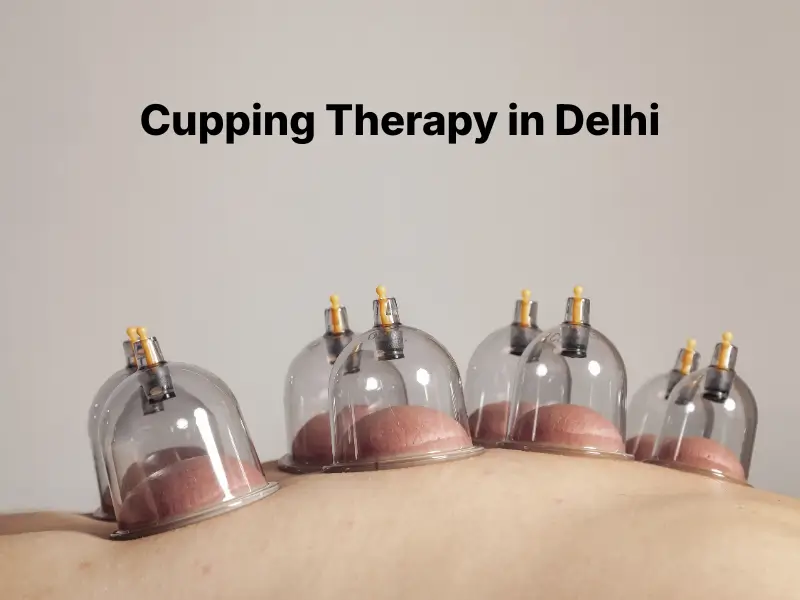
Cupping therapy is a therapeutic technique in which specially designed cups are placed on selected areas of the body. The cups create gentle suction on the skin, temporarily lifting the skin and underlying soft tissues.
This suction may help improve local blood circulation, reduce muscle tightness, support tissue relaxation, and relieve discomfort. Cupping therapy is commonly performed on areas such as the back, shoulders, neck, legs, and other muscle groups experiencing stiffness or tension.
The intensity, duration, and placement of the cups depend on the patient’s condition, comfort level, and treatment requirements.
How Does Cupping Therapy Work?
During a cupping therapy session, a trained professional places cups on specific areas of the body. Suction is created inside the cups, which gently pulls the skin and superficial tissues upward.
This process may support increased blood flow in the treated area and help relax tight muscles and soft tissues. Depending on the treatment plan, the cups may remain in one position for a limited period or may be moved gently across the skin.
Cupping therapy is often included as part of a broader physiotherapy or rehabilitation programme rather than being used as a standalone treatment.
Types of Cupping Therapy
Different cupping techniques may be used depending on the patient’s condition and treatment goals.
Dry Cupping Therapy
Dry cupping involves placing cups on selected areas of the body and creating controlled suction. The cups remain in position for a specific duration.
This technique is commonly used to support muscle relaxation, reduce stiffness, and improve local circulation.
Moving Cupping Therapy
In moving or sliding cupping, a suitable lubricant is applied to the skin before the cups are gently moved across the treatment area.
Moving cupping may be used for larger muscle groups and areas experiencing widespread tightness or stiffness.
Sports Cupping Therapy
Sports cupping is often used as part of sports physiotherapy and physical recovery programmes. It may help athletes and physically active individuals manage muscle tightness, improve flexibility, and support recovery after intense physical activity.
The appropriate cupping technique is selected after evaluating the patient’s condition, symptoms, and recovery requirements.
Benefits of Cupping Therapy
Cupping therapy may provide several benefits when performed by a trained professional and included in an appropriate treatment programme.
Helps Reduce Muscle Tension
Muscle tightness may develop due to prolonged sitting, repetitive activities, intense workouts, poor posture, or physical strain. Cupping therapy may help relax tight muscles and reduce stiffness in the treated area.
Supports Pain Management
Cupping therapy may support the management of muscle-related discomfort in areas such as the back, neck, shoulders, and legs. The treatment is personalised according to the location and intensity of discomfort.
Promotes Local Blood Circulation
The suction created during cupping temporarily increases blood flow to the treated area. Improved local circulation may support muscle relaxation and the natural recovery process.
Supports Sports Recovery
Athletes and fitness enthusiasts may experience muscle soreness, fatigue, or tightness after training. Sports cupping therapy may be included in a recovery programme to support muscle relaxation and physical performance.
May Improve Flexibility and Movement
Tight muscles and soft tissues can limit movement and flexibility. By supporting muscle relaxation, cupping therapy may help improve comfort during movement.
Promotes Relaxation
Many individuals find cupping therapy relaxing. The treatment may help reduce physical tension caused by demanding routines, prolonged working hours, or intense physical activity.
Conditions That May Benefit from Cupping Therapy
Cupping therapy may be recommended as a supportive treatment for various muscle-related concerns, including:
- Back pain and muscle tightness
- Neck pain and stiffness
- Shoulder tension
- Muscle soreness
- Sports-related muscle fatigue
- Muscle strains
- Post-workout discomfort
- Tight hamstrings and calf muscles
- Reduced muscle flexibility
- Postural muscle tension
- Physical stress and fatigue
- General muscle stiffness
The suitability of cupping therapy depends on the individual’s condition, medical history, symptoms, and treatment requirements.
Cupping Therapy for Back Pain
Back pain is a common concern among working professionals, older adults, athletes, and individuals with physically demanding routines. Prolonged sitting, poor posture, muscle weakness, improper lifting techniques, and repetitive movements may contribute to back muscle tension.
Cupping therapy for back pain may help relax tight muscles, support local circulation, and reduce stiffness. It may be combined with physiotherapy exercises, posture correction, mobility training, and strengthening exercises for a more comprehensive approach.
Cupping Therapy for Neck and Shoulder Pain
Long hours of computer work, frequent mobile phone use, poor posture, and physical stress may contribute to neck and shoulder tightness.
Cupping therapy may be applied to selected muscles around the upper back and shoulder region to support relaxation and reduce muscle tension. Depending on the condition, the treatment may be combined with stretching exercises, posture correction, and strengthening activities.
Cupping Therapy for Sports Recovery
Athletes and physically active individuals often experience muscle soreness, stiffness, and fatigue after training or sports activities.
Sports cupping therapy may support:
- Muscle relaxation
- Post-workout recovery
- Reduction in muscle tightness
- Improved movement comfort
- Flexibility and mobility
- Recovery after intense physical activity
A physiotherapist may combine cupping therapy with sports rehabilitation exercises, stretching, strengthening, mobility training, and movement correction based on the individual’s needs.
What to Expect During a Cupping Therapy Session
Before beginning treatment, the physiotherapist or trained professional assesses the patient’s symptoms, medical history, pain location, muscle tightness, and treatment goals.
During the session:
- The treatment area is identified and prepared.
- Special cups are placed on selected areas of the body.
- Controlled suction is created according to the patient’s comfort level.
- The cups remain in place for a limited period or may be moved gently across the treatment area.
- The skin and patient response are monitored throughout the session.
- The cups are carefully removed after the recommended duration.
The duration of treatment may vary depending on the condition, treatment area, and individual requirements.
Are Cupping Marks Normal?
Cupping therapy may leave temporary circular marks on the skin. These marks occur due to the suction created during treatment and are usually not the same as injuries or bruises caused by physical impact.
The colour and duration of the marks may vary depending on the suction intensity, treatment duration, skin sensitivity, and individual response. In many cases, the marks gradually fade within a few days.
Patients should follow the aftercare guidance provided by the therapist and avoid scratching or applying unnecessary pressure to the treated area.
Cupping Therapy Aftercare Tips
Following appropriate aftercare may help improve comfort after a cupping therapy session.
Patients may be advised to:
- Drink enough water after the session.
- Keep the treated area clean.
- Avoid scratching or rubbing cupping marks.
- Avoid intense exercise immediately after treatment if advised.
- Follow the therapist’s instructions regarding physical activity.
- Inform the therapist if unusual discomfort or skin irritation occurs.
- Perform recommended stretching or mobility exercises.
Aftercare recommendations may vary according to the treatment technique and individual condition.
Who Should Avoid Cupping Therapy?
Cupping therapy may not be suitable for everyone. It should only be performed after an appropriate assessment by a trained professional.
Cupping may need to be avoided or modified for individuals with:
- Open wounds or active skin infections
- Severe skin conditions in the treatment area
- Recent burns or skin injuries
- Certain bleeding or blood-clotting conditions
- Unexplained swelling
- Severe inflammation
- Certain medical conditions requiring specialist care
Individuals taking blood-thinning medicines or receiving treatment for an existing medical condition should inform the therapist before beginning cupping therapy.
Why Choose Pure Physio for Cupping Therapy in Delhi?
Pure Physio provides personalised cupping therapy sessions designed according to each individual’s symptoms, physical condition, comfort level, and recovery goals.
Patients can benefit from:
- Professional assessment before treatment
- Personalised cupping therapy sessions
- Trained and experienced physiotherapy professionals
- Condition-specific treatment planning
- Controlled and patient-focused techniques
- Integration with physiotherapy and rehabilitation programmes
- Support for muscle pain, stiffness, and physical recovery
- Guidance regarding exercises and aftercare
- Focus on mobility and functional improvement
The treatment approach focuses on understanding the underlying cause of muscle tension and supporting long-term movement and recovery.
Book Professional Cupping Therapy in Delhi
Muscle stiffness, back pain, neck tension, sports-related soreness, and physical fatigue can affect your movement and daily comfort. Cupping therapy may support muscle relaxation, pain management, circulation, and physical recovery when performed by a trained professional.
Pure Physio offers professional cupping therapy in Delhi with personalised treatment based on your condition and recovery goals. Whether you are experiencing muscle tightness, sports-related fatigue, post-workout soreness, or movement-related discomfort, our team can develop a suitable treatment approach for your needs.
Book your cupping therapy session with Pure Physio and take a step towards improved movement, muscle relaxation, and better physical well-being.